Offer
Provide additional details about the offer you're running.
FLASHSALE


A food allergy is a situation where the immune system overreacts to some foods that do not affect other people in the same way. A food allergy could develop from merely a rash, changes in skin color, and itching to severe reactions like breathing problems and anaphylaxis, among others.
A food allergy is an immunologic reaction whereby the immune system of a person perceives an otherwise harmless substance as being dangerous to the body.

The body’s defense mechanism that should eliminate dangerous substances, for example, bacteria or viruses, sometimes makes a mistake and starts attacking certain proteins in food products. This can lead to a list of symptoms, which we will discuss next.
There are some people who have severe reactions to a substance or food that put their lives in danger. It is very common to hear that people have a food allergy at an early age, but it can occur at any point in life.
One must make a distinction between food allergy and food intolerance. Food allergies are due to the immune system. Whereas, food intolerances are related to the digestive system and may cause severe anaphylactic reactions.
A person with food intolerance can experience discomfort after eating a certain product, getting signs like stomach aches, gas or diarrhea, but it’s not life-threatening and does not involve the immune system. Food intolerance is more popular than food allergy and causes less severe reactions in the human body.
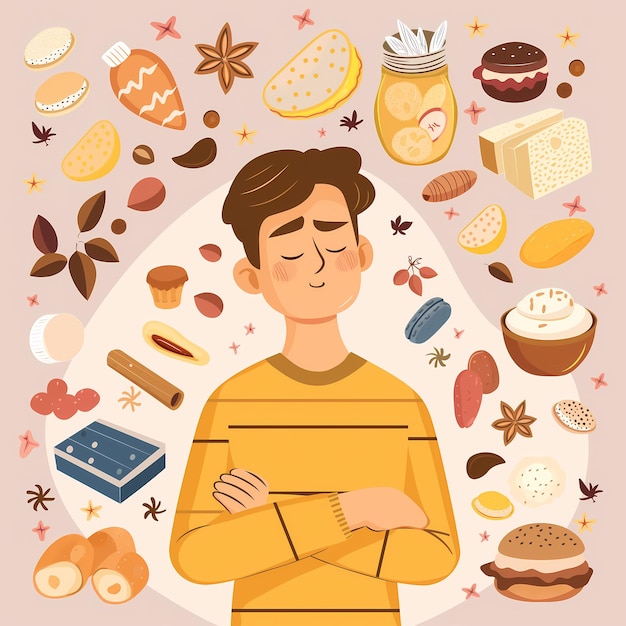
For example, food intolerance can be lactose intolerance, in which the body does not produce the enzyme to digest the sugar in milk. Although named ‘intolerance,’ food intolerance does not involve the activation of your immune system like a food allergy does. However, in both instances, the answer to preventing discomfort is to steer clear of the food that elicits such reactions.
Food allergies are a condition where the immune system responds abnormally to certain proteins found in foods. As a response, it releases substances such as histamine, which cause the symptoms of food allergy.
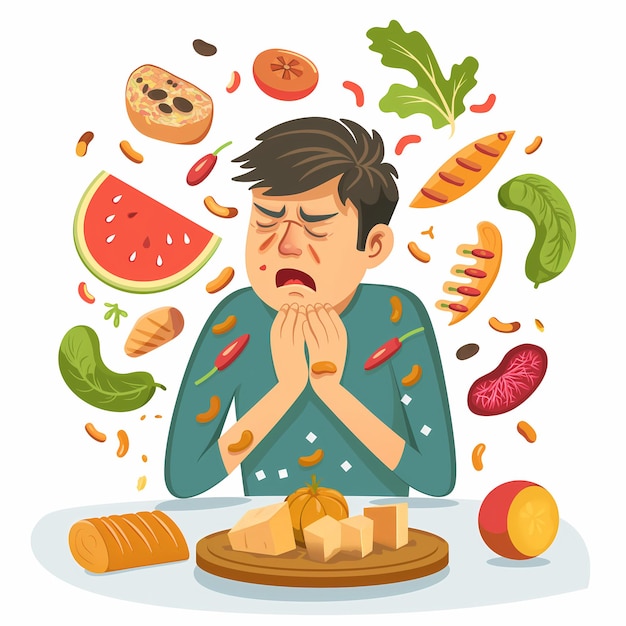
Food allergies are commonly found in children, but they can also appear in adults. It has been noted that some forms of food allergies may be inherited, thereby meaning that some people may be born with the propensity to develop allergies.
The signs of a food allergy may differ concerning the extent of the reaction and the given personality. They include nausea, vomiting, diarrhea, pain in the abdomen, abdominal cramps, and, in rare cases, fever and headache. Food allergy symptoms include:

Anaphylaxis is an extreme and swift allergic reaction to an allergen commonly occurring immediately or within a few minutes after exposure. It is a medical situation that needs intervention as soon as possible.
Anaphylaxis involves the dysfunction of various organ systems in the body, and the condition is fatal when not treated as soon as possible.
Key symptoms to watch for include:
This may begin with whistling sounds, a struggle to breathe, or a constricting feeling in the throat. These symptoms show that the airway is not open and that it is difficult to breathe.
Inflammation of the throat or tongue makes it difficult for people to breathe, causing choking. This is an indication of an anaphylactic reaction and should be treated as a medical emergency.

Anaphylaxis may result in tachycardia or hypotension, which may result in shock. Some of the shock-related signs are weakness or feeling lightheaded.
Symptoms such as light-headedness, dizziness, or fainting usually mean the body is struggling to cope with the stress of a severe allergic reaction.
In extreme conditions, a person may faint from an anaphylactic reaction—this is a consequence of a lack of oxygen supply to the brain.
For those people who have food allergies, it is crucial to have an epinephrine injector with you at all times. If you are concerned about anaphylaxis, administer the injector now. Epinephrine is a strong medication that counters the effects of anaphylaxis by constricting the muscles of the bronchi and dilating the blood vessels.
Epinephrine should not be self-administered, and the person who used an injector with it should attend an emergency department immediately. More treatment may be needed, and patients may develop symptoms again after the effects of the epinephrine wear off.
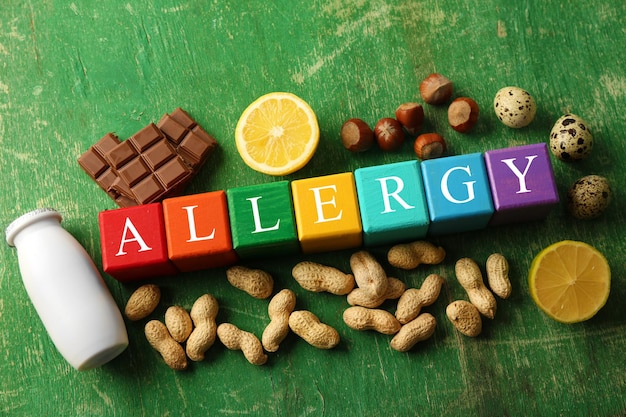
If you can, it is advisable to go to bed with your legs raised slightly off the bed. This position aids in the circulation of blood to some important organs within the body. It is also important to remain calm because stress may further aggravate these symptoms.
Understanding the timing of food allergy symptoms is very vital for effective management. Some symptoms appear immediately after consuming the allergenic food. While others may take hours to develop.
Reactions that are considered immediate can occur within minutes. For example, if you are a peanut-allergic person and take a peanut butter sandwich, then you can get hives and swelling.
Symptoms may manifest after some time, ranging from hours to one or two days. For example, you may have shrimp and have no issues for the next several hours, but then you may have stomach aches or skin rash.
It is often difficult to diagnose such delayed reactions since they might be confused with other ailments. Common examples actually include:
Gastrointestinal Symptoms: Reactions involving nausea, vomiting, or diarrhea may only appear several hours after consumption of an allergenic food. This delay makes it hard to diagnose the illness since the symptoms can be attributed to many other conditions
Fatigue: Fatigue with symptoms of sleeplessness, tiredness, and drowsiness can be an indication of a slow allergic reaction.
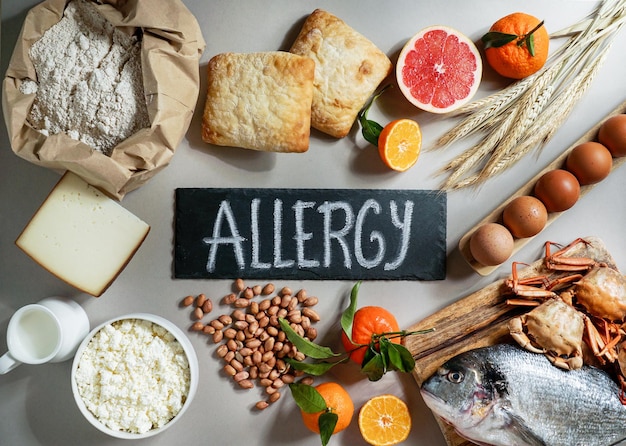
Skin Reactions: Symptoms can be itchy rashes or eczema, which may appear several hours or even days after the allergenic food has been ingested. Some people experience what is termed delayed skin reactions, and these may be quite irritating and may, in fact, warrant treatment.
However, knowing the onset symptoms, both short-term and long-term, is crucial for anyone who has a food allergy. If one develops any signs in the course of the day or at night, there is a need to report what one has taken and seek further advice from a doctor.
The most common food that can cause food allergies include:
Peanut allergy is one of the most frequently reported food allergic reactions and is usually considered to be severe since anaphylaxis, a possibly fatal condition, is often associated with it.
Tree nuts such as walnuts, almonds, and pecans are another food allergen that is widespread and most often causes severe reactions in people. Tree nuts are also a component that brings reactions in some of the people who are allergic to peanuts.
Milk allergies are seen in children, though in some cases, they may also develop in adulthood. It might be cow’s milk protein.

Food allergies, particularly eggs, are similar to milk allergies, where the condition begins during childhood and may persist throughout life.
Some of the most popular types of fish, such as salmon or tuna, are considered allergens and can cause severe reactions.
This typically includes seafood such as shrimp, lobster, crab, and other seafood products, which are also some of the common food allergens.
This is not a coeliac disease but a food allergy that can lead to allergic reactions in children as well as adults.
Sensitivity to some foods, such as tofu or soy milk, is another problem that affects children the most.
Cross-reactivity is a situation whereby the proteins in a certain food resemble those of another food. This can result in an allergic response even if the individual has never consumed the second food.” For example:
Pollen and Fruits: People with hay fever can also respond to certain fruits and vegetables, arriving at the same conclusion with the help of similar proteins to those found in apples, cherries, and carrots, for example.

Nut Cross-Reactivity: Cross-sensitivity occurs because different tree nuts contain similar proteins, and persons who are allergic to one nut may have a reaction to other nuts. In this case, a person who is allergic to walnuts could also have a reaction to pecans or cashews.
Knowledge of typical food allergens and cross-reactivity may be useful for the development of an individualized diet for people with food allergies. It is always advisable to check the nutrition facts panel on the food package because allergens might be included in a recipe or a processed food product as an ingredient.
If you or someone you know experiences any of the following signs, it’s essential to seek medical care immediately:
Difficulty Breathing: Shortness of breath is one of the most dangerous symptoms that indicate a serious allergic reaction and should not be treated lightly. It may present as a whistling noise while breathing, difficulty breathing or chest constriction.
Swelling of the Throat: If the person feels his throat is swollen or he is having problems swallowing, it may signal a severe reaction that needs medical attention.
Loss of Consciousness: Disorientation and, in several cases, fainting may be caused by an anaphylactic shock or a low blood pressure. This needs emergency treatment, which in this case entails seeking medical attention.
If you realize that you are allergic to certain foods, you should see an allergist to be tested and diagnosed. They receive special training in allergen diagnosis through skin tests or blood tests to find out specific allergies. It will also help you know how to deal with your allergy condition and prevent any further complications.
One can use a skin prick test or blood test to determine what exactly triggers the allergic reaction. Skin tests include scratching or scratching small amounts of allergens into the skin, while blood tests simply ascertain the levels of IgE antibodies present in the body.
An allergist is always advice on the measures that should be taken in order to avoid the substances that cause this allergy in food and other aspects of life. This comprises practicing label reading and the effect of cross-contamination.

In the case of severe allergies, it is highly important to have an emergency action plan. This plan indicates when the epinephrine injector should be administered and when medical help is needed in case of an allergic reaction.
Annual visits to an allergist assist in monitoring food allergy progression and discovering new sensitivities to foods that may previously not have been an issue.
This is an ailment that poses a real threat to health, especially in instances where it is not well contained. One of the most important things about food allergies is the ability to identify the symptoms of the disease.

In case of any of the mentioned symptoms, please seek medical attention immediately from your nearest health facility. Overcoming food allergies with the help of appropriate medical advice and, therefore, excluding foods that are unsafe for the patient.
You can't completely remove a food allergy. The best way is to avoid the food that causes it.
Food allergies can last a lifetime. Some kids may outgrow them, especially allergies to milk, eggs, and wheat.
The best treatment is to stay away from the allergen. Use an EpiPen for severe reactions.
Look for signs like hives, swelling, trouble breathing, or stomach pain after eating certain foods.
There is no cure for food allergies. But, treatments can help reduce symptoms and manage reactions.
* * Medical Disclaimer - The following information is for educational purposes only. No information provided on this website, including text, graphic, and images, are intended as substitutes for professional medical advice. Please consult with your doctor about specific medical advice pertaining to your condition(s).