Offer
Provide additional details about the offer you're running.
FLASHSALE


Time to read 8 min
Table of contents
After identifying a food allergy through IgE testing, the only way to prevent a reaction is strict avoidance of the trigger food and its derivatives. This MyDiagnostics guide covers the "Big 9" allergens, hidden label names (like casein and lecithin), and the vital difference between cross-contact and cross-contamination to keep you and your family safe.
The most common food allergies occur when the immune system identifies certain food proteins as harmful and reacts to them, triggering symptoms. Food allergy symptoms range from mild hives and swelling to severe anaphylaxis. These are different from food intolerances and necessitate precise diagnosis and strict avoidance to prevent complications.
After a food allergy is diagnosed, strict avoidance is essential. Even trace exposure can cause reactions. This guide highlights the foods to avoid, hidden food allergens, and how to reduce accidental exposure after identifying food allergies.
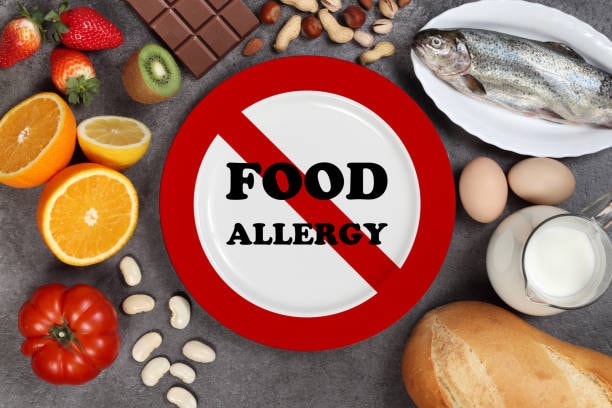
Around 90% of food allergy reactions are caused by the common allergens called “The Big 9”. These include milk, egg, wheat, soy, tree nuts, peanut, sesame, shellfish, and fish. The 9 allergens are responsible for the most severe reactions. They contain the proteins that directly activate the immune response, even in very small amounts.
Milk: Milk allergy is more common in infants and children than in adults. It can cause reactions ranging from eczema to severe allergic reactions, such as anaphylaxis.
Egg: Egg allergy often affects children, and reactions may persist or be outgrown.
Peanut: Peanut allergy is a major cause of severe and life-threatening allergic reactions.
Sesame: Sesame allergy is increasingly identified as a major allergen causing severe reactions.
Tree Nuts: Tree nuts, including cashew, almond, walnut, and pistachio, have related allergies that are often lifelong.
Soy: Soy is commonly found in processed foods, and soy reactions range from mild to severe.
Wheat: Wheat allergy is an immune allergy that is different from celiac disease and gluten intolerance.
Fish: Fish allergy is typically persistent, and reactions occur from ingestion or vapors.
Shellfish: Shellfish allergy includes crab, lobster, and shrimp, and is a common cause of adult-onset allergy.
Milk may be labeled under various names that make avoidance difficult, especially for those with a true milk allergy (IgE-mediated). Fundamentally, milk allergy is distinct from lactose intolerance, which involves a reaction to milk sugar, not milk proteins.
Milk Protein Allergy (IgE): Reacts to milk proteins, casein, and whey proteins. Even trace amounts can cause allergic symptoms.
Lactose Intolerance: Reacts to lactose (sugar) found in milk. If lactose is absent, proteins are usually tolerated.
Casein, caseinates
Whey/whey solids
Lactalbumin
Lactoglobulin
Curds
Ghee
Milk protein hydrolysates
Eggs can be hidden in various packaged foods and restaurant foods under alternative names. Any ingredient explicitly derived from egg protein is harmful for people with egg allergy, even if the egg is not labeled plainly.
Watch out for hidden egg derivatives, including:
Albumin (ovalbumin)
Lysozyme
Meringue
Lecithin (only egg-derived)
Sesame and soy are common allergens often labelled under less obvious ingredient names, increasing the risk of accidental exposure.
Avoid ingredients including:
Tahini
Gomasio
Natural flavours (may contain sesame)
Avoid ingredients including:
Tofu
Miso
Textured vegetable protein (TVP)
Soy protein isolate or concentrate
Edamame, soy flour
Mostly, soy lecithin and highly refined soy oil contain very little soy protein. This is the component that triggers IgE-mediated soy allergy. As a result, many people with soy allergy (not all) can tolerate highly refined forms of soy.
However, unrefined or cold-pressed soy oil and non-standard lecithin preparations may contain enough protein to cause allergic reactions.
MyDiagnostics Tip: Tolerance may vary person to person. Always consult your allergist before reintroducing these.
An allergy to walnuts often means avoiding pecans (cashews and pistachios). Tree nuts share structurally similar proteins; an individual with a walnut allergen often predicts reactions to closely related nuts.
Walnut and pecan are botanically related and demonstrate high cross-reactivity.
Cashew and pistachio also strongly cross-react for the same reason.
Because of this connection, allergists often recommend avoiding both nuts in each pair unless clinical testing and supervised challenges confirm tolerance.
Cross-contact is a critical risk in food allergy safety. This is because the allergens are not destroyed by heat or cleaning methods used for microbes.
Cross-Contact: When an allergen comes in contact with a safe food through shared surfaces or equipment. For instance, using the same toaster for wheat bread and gluten-free bread. Even traces of allergens can cause an allergic reaction.
Cross-Contamination: In the allergy context, cross-contamination is sometimes used interchangeably with cross-contact in food industry discussions. In food allergy safety, cross-contact refers to allergen transfer, while cross-contamination traditionally refers to microbial contamination. The spread of bacteria and pathogens causes foodborne illness.
Nut allergens are not limited to food only. Walnut, almond, and other nut oils can be found in some lotions, creams, massage oils, shampoos, and other cosmetic products. They pose a risk through skin contact or accidental ingestion.
Moreover, nut-based oils may be found in paints, craft supplies, and classroom materials. People with a nut allergy should carefully check the ingredients of any products they are using.
Let's understand the “contains” statement vs “may contain”.
Contain statement: This is a mandatory allergen declaration. If your allergen is mentioned on the product (e.g., it contains milk or egg), the product is not safe for you, and you must avoid it.
May contain: This is a precautionary allergen labelling (PAL). It signals a risk of cross-contamination during manufacturing. Although voluntary, it signals actual potential exposure and should be considered seriously. Especially for individuals with a history of severe reactions.
A food allergy emergency plan ensures quick and decisive action when seconds matter. It should clearly include symptom recognition, emergency treatment, and follow-up care to avoid the risk of severe complications.
The key elements of an allergy emergency plan are:
Recognize the early warning signs, such as hives, swelling, wheezing, dizziness, and throat tightness.
Take immediate action, epinephrine first at the first sign of anaphylaxis.
Call the emergency services and visit the hospital even if symptoms resolve.
Carry epinephrine every time with you and make sure the caregivers, family, and schools are aware of the emergency plan.
Epinephrine is the first-line treatment for anaphylaxis – so don’t wait for symptoms to get worse.
Always check the expiry date and solution clarity monthly. Cautiously replace expired, cloudy, or discolored injectors.
Hold the injector with the safety cap facing up (blue to the sky) and inject the orange tip into the mid-outer thigh (orange to the thigh). You can inject through clothing if required.
If symptoms persist or return before you get medical help, you may need a second dose. So carry the second dose with you.
Proper technique and routine checks are critical for accurate food allergy treatment and a lifesaving response.
The risk of losing oral tolerance by removing foods without a confirmed IgE allergy.
Eliminating foods without a confirmed diagnosis can create unnecessary anxiety. It leads to iron, protein, calcium, and micronutrient deficiencies, especially in children.
Avoiding foods without a confirmed IgE-mediated allergy may increase the risk of losing immune tolerance. This may potentially make the future reactions more likely and more severe.
Certainty begins with objective data. Shift from suspicion to certainty using the MyDiagnostics IgE blood test for food allergies. This test helps identify whether your immune system is sensitized to particular food proteins. It offers a clear insight into your health and guide next steps.
IgE testing reduces guesswork and prevents unnecessary food elimination, and signals risks that require strict avoidance or further evaluation. Moreover, the testing results should be interpreted along with symptoms and medical history.
If food allergy symptoms are present, laboratory confirmation under medical supervision can provide clarity. Book your IgE food allergy panel with MyDiagnostics for laboratory-based clarity.
All confirmed allergenic foods, their hidden ingredients, and cross-contact risks must be avoided strictly unless cleared by your healthcare provider.
Milk, egg, peanut, tree nuts, soy, wheat, fish, shellfish, and sesame.
They may trigger reactions even in small amounts and are often overlooked in labels. Hidden ingredients can expose you to allergenic protein without warning.
Some forms may be tolerated, but this should only be determined by an allergist. Lecithin is highly refined and contains very little soy protein, so mostly tolerated but not by every individual.
Cross-contact involves allergen transfer; cross-contamination usually refers to bacterial or pathogen spread.
Often, yes, due to cross-reactivity, people are usually advised to avoid related nuts. This decision should be guided by testing.
Yes. Some non-food items, such as cosmetics and oils, contain allergenic nut derivatives. They can trigger reactions through skin contact and accidental ingestion.
Self-elimination of food can cause nutritional deficiencies, loss of oral tolerance, and delay precise diagnosis.
When symptoms suggest an immediate allergic reaction or an anaphylaxis risk. IgE blood test supports diagnosis, along with the clinical history, not as a standalone screening test.
MyDiagnostics provides reliable IgE blood testing to support accurate food allergy diagnosis under medical guidance.
***Medical Disclaimer - The following information is for educational purposes only. No information provided on this website, including text, graphics, and images, is intended as a substitute for professional medical advice. Please consult with your doctor about specific medical advice about your condition(s).