Offer
Provide additional details about the offer you're running.
FLASHSALE


Time to read 10 min
Table of contents
An ECG can help detect signs of an ongoing or previous heart attack, but it cannot always predict a future heart attack or rule out all heart problems. Some people with heart disease may still have a normal ECG result. An Electrocardiography is an important test used to detect abnormal heart rhythms, reduced blood flow, and signs of heart damage, but it cannot always accurately predict a future heart attack. While an ECG may show warning signs such as irregular electrical activity or evidence of a previous silent heart attack, some people with heart disease can still have a normal ECG result.
Heart disease is one of the major issues in this world, and understanding tools to assess heart health can be very crucial. The most common tool doctors use to analyze electrical activity is an electrocardiogram, ECG, or EKG. Many people wonder whether an ECG test can predict a heart attack but are not aware when to get tested.
At MyDiagnostics, we believe understanding ECG limitations is important for early heart disease detection and prevention.
While an ECG is very good at detecting problems with the heart's electrical signals, it is not very good at predicting heart attacks before they happen. An ECG helps identify electrical changes that may suggest an ongoing or previous heart attack. So, this test checks the heart's electrical activity through its scans. Let’s understand it better!
Coronary artery blockage → reduced blood flow → myocardial ischemia → Electrocardiography changes → heart attack diagnosis
ST elevation → acute coronary artery blockage → possible heart muscle damage → emergency treatment needed
Chest pain + sweating → suspected cardiac emergency → ECG evaluation → detection of heart attack signs
Reduced oxygen supply → altered electrical activity → ST depression or T-wave inversion → ECG suggests ischemia
Heart muscle injury → abnormal electrical conduction → ECG abnormalities appear → cardiologist interpretation
Irregular heartbeat → disturbed cardiac signals → arrhythmia detected on ECG → further cardiac assessment
Coronary artery disease → narrowed blood vessels → decreased heart perfusion → abnormal ECG findings
Severe blockage → prolonged ischemia → heart tissue damage → ECG helps confirm myocardial infarction
An electrocardiogram is a simple and non-invasive test that records the electrical activity of the heart. It helps doctors detect irregular heart rhythms, blocked blood flow, and signs of heart muscle damage that may be linked to a heart attack.
A heart attack occurs when blood flow to the heart is severely reduced or blocked, damaging the heart muscle. While an ECG is one of the first tests used during chest pain or cardiac emergencies, it is usually combined with other tests and symptoms to confirm whether a heart attack has occurred or to assess future heart health risks.
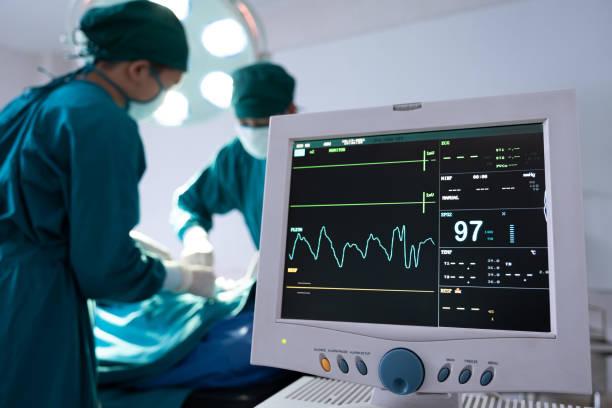
Electrocardiograms (ECGs) usually record the electrical activity of the human heart. The rhythmic electrical impulses of the heart control its contraction and relaxation, which circulate blood throughout your body. Simple and non-invasive ECGs are performed by connecting electrodes to the skin. These electrodes detect the electrical activity of the heart and represent it on a graph, where each wave represents different phases of the heartbeat.
An ECG is used to diagnose and monitor many heart conditions (including arrhythmias, or abnormal heart rhythms), signs of past heart damage, and other conditions that influence the heart's electrical activity. It mainly uses the electrical activity of the heart to get accurate results. An ECG alone cannot reliably predict future heart attacks, although certain abnormalities may indicate increased cardiovascular risk.
Electrical signals from the heart are a simple concept of how an ECG functions. Doctors can view anomalies that may be a sign of heart problems by interpreting signals from the electrical activity of the heart. An electrocardiogram can also identify irregularities in the heart's rhythm, size, and position of heart chambers, and damage to the heart muscle.
If you have had a history of heart attacks, then the ECG can identify some permanent changes in the heart. For example, it can indicate whether the blood flow to your heart is blocked, damage that has occurred to your heart muscle in the past, or abnormal heartbeats. However, it is vital to note that an ECG test cannot always foretell a future heart attack that might occur.
|
Electrocardiography Finding |
Explanation |
|---|---|
|
ST-segment elevation |
Common ECG sign of acute heart attack |
|
ST depression |
May indicate reduced blood flow to the heart |
|
T-wave inversion |
Can suggest ischemia or heart strain |
|
Irregular rhythm |
May occur during or after a heart attack |
|
Ischemia |
Reduced oxygen supply affecting heart muscle |
|
Arrhythmia |
Abnormal heart rhythm detectable on ECG |
|
Coronary artery blockage |
Reduced blood flow that may trigger ECG changes |
|
Heart muscle damage |
Electrical changes appear on ECG after injury |
An Electrocardiography can help detect warning signs linked to a heart attack, such as abnormal heart rhythms or reduced blood flow to the heart, but it cannot always accurately forecast when a heart attack will happen.
Some people may have a normal ECG even with underlying heart disease, while others may show changes that require further evaluation. Doctors usually combine ECG results with symptoms, medical history, blood tests, and imaging studies to better assess heart attack risk and overall cardiovascular health.
Though an ECG does not directly declare an imminent heart attack, it is used during an ongoing attack. ST-segment elevation or depression on an ECG may indicate reduced blood flow to the heart. This points to possible ischemia due to blood supply blockade to the myocardium, causing injury if treatment is delayed.
An ECG is often one of the first tests a physician orders for chest pain, a hallmark symptom of an impending heart attack. An ECG obtained in a timely fashion during an acute heart attack can display these characteristic changes and ensure immediate intervention to restore normal blood flow.
Additionally, a reactive protein CRP test can help in assessing inflammation levels. Elevated C-reactive protein CRP levels may indicate an increased risk of heart attack.
Patients presenting with chest pain are often evaluated with an ECG. It is accurate, but it can’t predict if the patient can get another attack shortly. For example, if you happen to be asymptomatic for your heart disease, a seemingly normal ECG of yours might depict an underlying heart disease to be present.
One such silent heart attack is when an ECG might not reveal any sign of damage. Silent heart attacks are those that do not show typical warning symptoms and hence cannot be diagnosed by ECG alone. Furthermore, since heart disease usually takes time to develop, the test does not indicate the early changes in the arteries that might eventually cause a heart attack.
Certain types of heart attacks, such as NSTEMI (Non-ST-Elevation Myocardial Infarction), might not show obvious changes on an ECG, which can lead to misdiagnosis.
|
ECG Pattern |
Normal ECG |
Heart Attack / Abnormal ECG |
|---|---|---|
|
Heart rhythm |
Regular and consistent |
May become irregular |
|
ST segment |
Flat and normal |
ST elevation may appear |
|
T wave |
Upright and smooth |
T wave inversion may occur |
|
Electrical activity |
Normal signal flow |
Disturbed due to reduced blood flow |
ST elevation → Often suggests acute heart muscle injury or possible heart attack.
T wave inversion → May indicate reduced blood flow, ischemia, or recovery changes after heart stress.
Normal ECG pattern → Shows stable electrical activity and regular heartbeat waves.
Abnormal ECG pattern → Can suggest arrhythmia, ischemia, heart attack, or other cardiac problems.
Here are the factors that can affect the ECG readings:
Intrinsic heart diseases can vary in the effects on ECG readings and C-reactive protein CRP levels. For instance, a history of heart disease, such as having had a heart attack, may result in a change in your ECG that might suggest you are developing a new heart disease. Structural abnormalities, such as an enlarged heart or abnormalities in heart valves, can distort ECG readings. These differences mean that an ECG should often be interpreted with your complete medical background and other tests to provide a whole view of heart health.
The timing of an ECG test is highly influential in determining the effectiveness of the test. In case an ECG is taken when symptoms are not apparent, it may fail to capture transient heart problems, for example, irregularities that only occur during physical stress.
For instance, some heart issues only show their symptoms during exercise or when one is under stress. This is why, sometimes other monitoring methods, such as stress tests, are recommended to supplement an ECG for a more accurate diagnosis.
Along with an electrocardiogram, doctors often use other diagnostic tools to evaluate heart health and detect possible heart attacks more accurately:
Other diagnostic methods, in association with the ECG, are assessed to further evaluate the heart's health and the potential of a heart attack. An echocardiogram will provide detailed images of the heart structure, and a stress test will tell how the heart behaves during physical exercise.
Measurements of blood, such as cardiac enzymes, can detect damage to the heart muscle. All these tools provide a comprehensive view of the health of the heart, which would not be possible with an ECG alone.
A heart attack is normally triggered by other risk factors that include family history, lifestyle, and other health conditions. A heart attack mostly comes with other risk factors, for instance, high cholesterol, smoking, high blood pressure, and obesity. Physical tests, along with evaluation of family history and lifestyle, would need to be taken seriously for accurate prediction as well as management of risk towards a heart attack.
Although an ECG is a treasure trove of a diagnostic tool, preventive heart care cannot be covered by any one test. Those at risk of a heart attack will need lifestyle changes. Regular exercise, a balanced diet, and managing one's stress levels will significantly reduce the risks of heart disease.
Monitoring and checking cholesterol levels, blood pressure, and blood sugar also give valuable insights into heart health. Regular follow-up visits and screening tests, such as late-stage imaging or blood tests to detect inflammatory markers, may be able to catch early warning signs that an ECG might otherwise miss.
Recently, innovations in wearable devices and continuous monitors have enabled the tracking of real-time heart health. There are times when the body informs the person that the rhythm is abnormal in some instances, which the doctor cannot detect in an office.
A proactive approach involving both lifestyle management and periodic diagnostic checks and follow-ups through healthcare providers helps maintain proper heart health, hence reducing the chances of any unprovoked cardiac events.
MyDiagnostics recommends immediate medical attention if symptoms such as chest pain, shortness of breath, or sudden dizziness occur.
|
Question |
Quick Answer |
|---|---|
|
Can Electrocardiography detect heart attack? |
Often yes |
|
Can ECG predict future heart attack? |
Not reliably |
|
Can ECG detect blockage? |
Sometimes indirectly |
|
Can ECG be normal during heart disease? |
Yes |
An ECG is crucial during a heart attack, but not for predicting one. It captures the heart's electrical activity at a moment in time. It's good for identifying acute heart problems but not for forecasting them. Everyone should have regular cardiology check-ups, including diagnostics and lifestyle counselling. Maintaining heart health requires proactive management.
Regular check-ups, lifestyle adjustments, and a comprehensive approach are the best strategies against a heart attack. A C-reactive protein test is also important. It measures your CRP levels to assess inflammation. Elevated levels of the CRP test can indicate a higher risk of a heart attack. Consult your doctor if you're at risk or have had a heart attack to determine the best measures for your needs.
Electrocardiography can sometimes detect heart blockage indirectly by showing ischemic changes such as ST-segment abnormalities or T-wave inversion caused by reduced blood flow to the heart. However, an ECG cannot always identify the exact location or severity of the blockage, so tests like angiography may still be needed for a clear diagnosis.
No, ECGs detect current electrical abnormalities in the heart and cannot predict future heart attacks.
Yes, a normal ECG cannot always rule out the possibility of a heart attack, especially if underlying risk factors are present.
An ECG can identify certain conditions that may result in heart failure, but it cannot predict heart failure.
ECG is highly sensitive to detecting an ongoing heart attack, but not so sensitive to warning about future occurrences.
Urgent treatment is needed after a heart attack to fix blood flow and restore oxygen levels, with oxygen being administered immediately.
Cardiac rehabilitation is a personalized program that focuses on exercise, a heart-healthy diet, and stress management, helping individuals improve heart health after a heart attack.
*** Medical Disclaimer: The following information is for educational purposes only. No information provided on this website, including text, graphics, and images, is intended as a substitute for professional medical advice. Please consult with your doctor about specific medical advice about your condition(s).