Offer
Provide additional details about the offer you're running.
FLASHSALE


Time to read 10 min
Table of contents
Sucrose is one of the most commonly consumed sugars in the world and is present in everything from fruits and vegetables to desserts and packaged foods. But many people still ask: Is sucrose healthy? Do simple carbs contain sucrose? And how does it affect the body?
Understanding sucrose is important because excessive refined sugar intake has been linked to obesity, diabetes, and heart disease. High consumption of sugar may affect important body processes, including metabolism and insulin regulation.
Excess sugar from sugary drinks, desserts, and processed foods common in the typical Western diet can negatively impact long-term health.
This guide explains what sucrose is, how it works, where it is found, and how much is considered safe for daily consumption. For a deeper understanding of your metabolic health and sugar levels, consider regular testing with MyDiagnostics, which offers advanced health checkups tailored to your needs.
Sucrose is a disaccharide made of glucose and fructose. It's commonly known as table sugar but it can be found naturally in fruits, vegetables, and nuts.
Fructose, known as fruit sugar, is also a monosaccharide and is sweeter than both glucose and sucrose, but it raises blood sugar levels more gradually than glucose.
Sucrose is the scientific name for table sugar. It is a simple carbohydrate and a type of disaccharide made up of two simple sugars:
Glucose
Fructose
Its molecular formula is:
C12H22O11
Sucrose is formed through natural biological processes rather than artificial chemical synthesis in plants such as sugarcane and sugar beet.
Once sucrose consumed enters the digestive system, where it is broken down into glucose and fructose to support energy production and other critical body processes.
Sucrose naturally occurs in:
Sugar cane
Sugar beet
Fruits
Vegetables
Honey
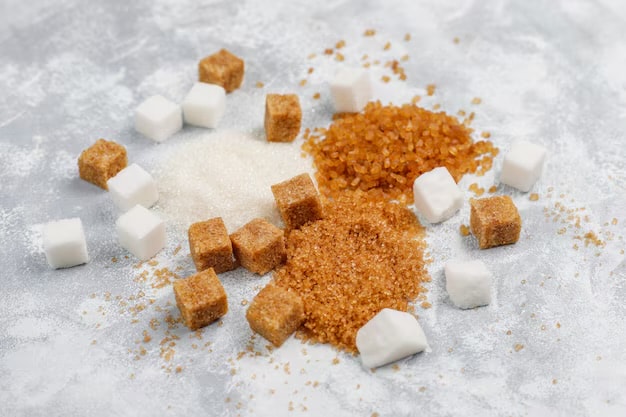
It is also widely added to processed foods and beverages. The most common disaccharide presented in our diet, sucrose, is obtained mainly from sugar cane and sugar beets. Sucrose is found in both whole foods, such as fruits and vegetables, and processed foods.
Sucrose is easily absorbed and digested by the body. They comprise the natural sugars, including those that occur naturally in fruits and vegetables, as well as added granulated sugars in processed foods.
Sucrose is produced naturally in plants and is one of the integral parts of simple carbs because it is also naturally found in fruits and vegetables. Sucrose is produced commercially from sugarcane or sugar beets.
Simple carbohydrates include other sugars that provide quick energy, such as:
Glucose
Fructose
Sucrose
Lactose
Maltose
Unlike complex carbohydrates, which digest slowly due to their longer sugar chains, simple carbohydrates raise blood sugar more quickly.
Sucrose and other sugars occur naturally in many fruits and vegetables. Sucrose is also extracted from sugarcane or sugar beets to make table sugar, which is universally present in processed foods.
When sucrose is consumed, it cannot be absorbed directly in its original form. The enzyme sucrase in the small intestine breaks it down into glucose and fructose.
The digestion process can be summarized as:
Sucrose→Glucose+Fructose
Glucose enters the bloodstream quickly and provides immediate energy.
Fructose is mainly processed in the liver.
Because sucrose digests quickly, excessive intake can lead to sudden spikes in blood sugar and insulin levels.
Not all sucrose affects the body in the same way. Understanding the difference between natural and added sugar is important.
Natural sucrose is found in whole foods such as:
Root vegetables such as carrots and beets
Fruits
Vegetables
Honey
These foods contain fiber, vitamins, minerals, and other essential nutrients that support a healthy diet. Unlike processed sugars, naturally occurring sugars in whole foods are less harmful because they come packaged with essential nutrients and antioxidants.
These foods also contain:
Fiber
Vitamins
Minerals
Antioxidants
For example, an apple contains natural sugars along with nutrients that help slow sugar absorption.
Added sucrose is commonly found in:
Soft drinks
Candy
Cakes
Sweetening foods
Cookies
high fructose corn syrup
Packaged snacks
Baked goods
Frozen foods
Unprocessed foods
Sweetened beverages
Breakfast cereals
Granulated sugar
Sweet peas
Sw
Dairy products
Ice cream
These foods often provide empty calories with little nutritional value.
Sucrose is a naturally occurring carbohydrate and is classified as one of the simple carbohydrates because it consists of two sugar molecules.
Classification of simple carbohydrates is usually based on their chemical structure and ease of breakdown in the body. The three sugars most commonly discussed in nutrition are glucose, fructose, and sucrose, each with different sources, absorption rates, and effects on blood sugar levels.
Complex carbohydrates, such as starches and fibres, comprise longer chains of sugar molecules and take a longer time to digest as compared with simple carbohydrates.
Sucrose is a naturally occurring carbohydrate found in many plant foods and is produced naturally in plants during photosynthesis, the process by which plants convert sunlight, water, and carbon dioxide into glucose and fructose.
The monosaccharides glucose and fructose are combined to form sucrose, which is transported via the vascular system of the plant, where it provides energy to facilitate growth and reproduction.
The structure of sucrose makes it an efficient molecule for energy storage and transport. Its stability and solubility in water enable it to move easily within the plant, supporting essential processes such as seed development and fruit sugar production.
Sucrose itself is not harmful when consumed in moderation. Problems arise mainly from excessive intake of added sugars. High consumption of sucrose-rich processed foods has been associated with:
Obesity
Tooth decay
Type 2 diabetes
Insulin resistance
Elevated blood triglyceride levels
Fatty liver disease
Cardiovascular disease
Sugar is often added to non-obvious items like soups and pasta sauces, making it important to check labels carefully.
Glucose is absorbed directly into the bloodstream and raises blood sugar levels quickly, stimulating insulin release, while fructose is absorbed more slowly and does not immediately affect insulin levels.
Research suggests that excessive sugar intake from sugary drinks and processed foods, common in the typical Western diet, can negatively affect long-term metabolic health. Excess fructose consumption may also increase triglyceride levels and metabolic problems over time.
The body can systematically regulate your blood glucose levels. Health organizations recommend limiting added sugar intake.
The WHO recommends
Less than 10% of daily calories from added sugar
Ideally, below 5% for additional health benefits
For a 2,000-calorie diet, this equals approximately:
25–50 g/day25\text{–}50\ g/day25–50 g/day
The AHA recommends:
Women: No more than 25 grams daily
Men: No more than 36 grams daily
Unfortunately, many people consume far more than these recommended limits through processed foods and sugary beverages.
Although related, sucrose and glucose are not identical.
Feature |
Sucrose |
Glucose |
|---|---|---|
Type |
Disaccharide |
Monosaccharide |
Composition |
Glucose + Fructose |
Single sugar molecule |
Digestion |
Must be broken down first |
Absorbed directly |
Sweetness |
Sweeter |
Less sweet |
Blood Sugar Impact |
Moderate to rapid |
Rapid |
Glucose is the body’s primary energy source, while sucrose requires digestion before use.
The structure of sucrose makes it a useful source of quick energy. Sucrose is composed of two monosaccharide molecules, blood glucose and fructose, bonded together, making it a disaccharide.
Glucose and fructose are the building blocks of sucrose and other carbohydrates, serving as fundamental units that construct more complex carbohydrate molecules.
When ingested, sucrose is cleaved in the small intestine by the enzyme sucrase into its glucose and fructose monomers. These sugars are absorbed differently: glucose absorption into the bloodstream, while fructose is primarily metabolized by the liver.
Glucose can enter the bloodstream and then serve as a primary source of energy in the body cells, whereas fructose is metabolized by the liver.
Sucrose is sweet, and that’s the reason why it features in most foods and beverages. In natural living, its presence gives several fruits and vegetables their sweetness.
Due to rising health awareness, many people are exploring alternatives to sucrose.
Honey
Maple syrup
Stevia
Agave nectar
Sucralose
Aspartame
Saccharin
While some alternatives reduce calorie intake, moderation is still important.
Consuming too much sugar regularly can negatively affect overall health and metabolism. Excess sucrose and added sugar intake may cause both short-term and long-term symptoms.
Frequent fatigue or low energy
Increased hunger and cravings
Sudden energy crashes
Weight gain, especially belly fat
Difficulty concentrating
Mood swings or irritability
Acne and skin problems
Increased thirst
Frequent urination
Poor sleep quality
Tooth decay and cavities
Over time, consistently high sugar intake may contribute to:
Insulin resistance
Type 2 diabetes
Fatty liver disease
High triglycerides
Cardiovascular disease
Reducing processed sugars and choosing whole foods can help improve energy levels and metabolic health.
Sucrose and artificial sweeteners each have advantages and disadvantages.
Naturally derived from plants
Familiar taste and texture
Provides quick energy
Widely used in cooking and baking
Raises blood sugar levels
High calorie content
Can contribute to weight gain and diabetes when overconsumed
Aspartame
Sucralose
Saccharin
Stevia
Lower calorie intake
Minimal blood sugar impact
Helpful for some people with diabetes
Some studies suggest excessive artificial sweetener consumption may affect:
Gut microbiome
Appetite regulation
Cravings for sweet foods
The healthier choice often depends on overall diet quality and moderation. Small amounts of natural sugar from whole foods are generally considered safer than excessive intake of either added sugars or artificial sweeteners.
While sucrose is a valuable energy source, consuming too much added sugar can lead to negative health effects. Diets high in added sugars have been linked to obesity, type 2 diabetes, and heart disease.
The World Health Organization recommends that added sugars should make up less than 10% of total energy intake, with a further reduction to below 5% providing additional health benefits. For a 2,000-calorie healthy diet, it is recommended to limit added sugars to 25–50 grams per day to avoid negative health effects.
However, a survey in the United States found that the average person consumes 82 grams of added sugar daily, which is about 16% of their total caloric intake, significantly exceeding recommended limits.
The American Heart Association recommends limiting added sugar intake to no more than 25 grams per day for women and 36 grams per day for men. Reducing sugar intake involves being aware of the sources of sucrose.
Monitoring your blood sugar and metabolic markers regularly through MyDiagnostics can help detect early imbalances and guide better dietary decisions.
Natural sugars from fruits and vegetables are preferable to added sugars in such processed foods. Reading food labels and obtaining products with minimal added sugars will help one achieve a balanced diet.
Sucrose is undoubtedly one of the most important simple carbohydrates in our diets and the global food system. Being a disaccharide composed of glucose and fructose, it is one of the most important quick energy sources used in cooking and food manufacturing.
Sucrose is found in both whole foods, such as fruits and vegetables, and processed foods, highlighting its versatility and significance in our diets. The widespread use of sucrose, however, has been linked to health problems. While the sucrose itself is not harmful, excessive intake of added sugars is causing many health problems.
At MyDiagnostics, metabolic health assessments and blood sugar testing help individuals monitor the impact of dietary sugar intake and identify early metabolic imbalances.
Sucrose is a type of sugar made up of two simple sugars: glucose and fructose. It is naturally found in sugarcane, sugar beet, fruits, and some vegetables, and is commonly used as a sweetener in foods and beverages.
Yes, sucrose is the scientific name for regular table sugar. The white sugar commonly used in cooking, baking, tea, and coffee is primarily made of sucrose.
Yes, sucrose is considered a simple carbohydrate because it is quickly broken down by the body into glucose and fructose, which provide fast energy.
Sucrose is not harmful when consumed in moderation. However, excessive intake may increase the risk of obesity, tooth decay, type 2 diabetes, and heart-related problems. A balanced diet with limited added sugar is important for overall health.
Sucrose is naturally present in fruits, vegetables, and honey. It is also commonly found in processed foods such as candies, cakes, cookies, soft drinks, ice cream, chocolates, and packaged snacks.
Sucrose and glucose are different types of sugars. Glucose is directly used by the body for energy, while sucrose must first be broken down into glucose and fructose during digestion. Neither is necessarily “better,” but consuming excess amounts of either can negatively affect health.
Health experts generally recommend limiting added sugar intake to less than 10% of daily calories. For most adults, this means around 25–50 grams of added sugar per day, depending on age, gender, and activity level.
**Medical Disclaimer - The following information is for educational purposes only. No information provided on this website, including text, graphic, and images, are intended as substitutes for professional medical advice. Please consult with your doctor about specific medical advice pertaining to your condition(s).