Offer
Provide additional details about the offer you're running.
FLASHSALE


Time to read 6 min
A slow metabolism in women is characterized by chronic fatigue, sudden body weight gain, and increased sensitivity to cold temperatures. Although age and genetics play a role, hypothyroidism, hormonal shifts, and insulin resistance are common factors that influence metabolism. The clinical biomarkers, including TSH, fasting insulin, and HbA1c, provide insights into hormonal and metabolic factors that affect metabolic rate. They help identify underlying causes rather than directly measuring metabolism.
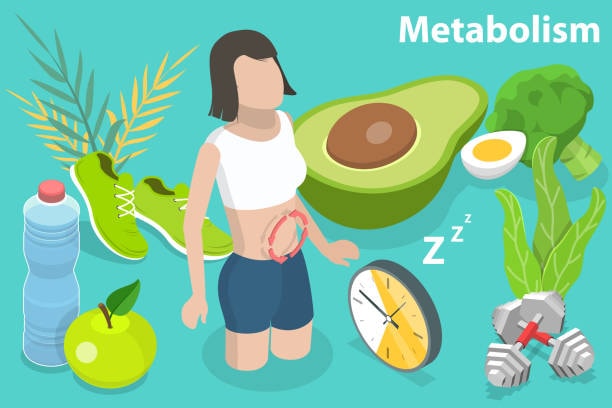
Metabolism in women involves the conversion of food into the energy that supports crucial bodily functions, including physical activity and hormonal balance. Metabolism in females is distinctly influenced by hormone level shifts that occur during menstruation, pregnancy, and menopause.
Typically, the metabolism testing involves various clinical assessments, including thyroid function, insulin, fasting glucose, cortisol, and lipid profile.
This guide explores the clinical signs of a slow metabolism and the laboratory markers used to identify them.
Slower metabolism affects how the body turns food into energy, and it reduces the body's ability to convert calories into usable energy. In women, reduced metabolism is associated with insulin sensitivity, thyroid activity, and hormonal regulation.
Here are the slow metabolism symptoms in women:
If you are struggling to maintain a healthy weight despite regular exercise and a healthy diet, it may be due to reduced metabolism. You may have difficulty losing weight due to a slow metabolism however it is not always reflected by weight gain alone.
Feeling tired or lethargic and having low energy constantly, even after taking adequate rest, indicates slow cellular energy production. Chronic fatigue is often caused by thyroid imbalance, poor utilization of glucose, or iron deficiency.
Experiencing a cooler core body temperature or feeling chilly may be due to reduced heat production and a slower metabolic rate. Usually, it happens in hypothyroidism (an underactive thyroid gland), which slows down your metabolism.
Hair thinning, hair fall, brittle nails, and dry and cracked skin are usually caused by inadequate hormonal and metabolic support for tissue renewal.
Frequent digestive discomfort, such as gas, bloating, and constipation, may occur due to slow metabolic processes that reduce gut motility.
Intense urges for sweets also indicate inadequate energy production and unbalanced blood sugar levels. When cells in the body are unable to access energy, the body craves sugar.
Irritability, mood swings, or difficulty concentrating (brain fog) are commonly associated with metabolic dysfunction. The brain extensively depends on energy, and slow, inefficient metabolism can disrupt cognitive clarity and neurotransmitter balance.
There is no single test to assess metabolic health in women. Metabolism can be assessed by analyzing stress physiology, lipid profile, glucose regulation, and hormonal balance.
Here are the major laboratory markers that are used to test metabolism in women:
Thyroid Stimulating Hormone (TSH): The primary laboratory marker is TSH. TSH should always be interpreted with Free T3 & T4. Elevated TSH levels indicate reduced metabolic drive.
Free T3 & Free T4: T3 and T4 are active thyroid hormones that regulate resting metabolic rate and cellular energy production.
Fasting Blood Glucose: Evaluates standard glucose control.
Fasting Insulin: High levels suggest insulin resistance, which is a prime cause of low metabolism rate.
HOMA-IR: It measures metabolic efficiency and insulin resistance.
Total Cholesterol, LDL, HDL, Triglycerides: Slow metabolism is usually associated with high LDL and triglycerides due to decreased body fat clearance.
Morning Serum Cortisol: Elevated cortisol levels and persistent stress suppress thyroid function and reduce metabolic rate. High cortisol does not always lower metabolism directly, but suppresses thyroid conversion (T4 → T3). High cortisol may interfere with short-term metabolism, but suppress thyroid long-term.
Estradiol & Progesterone: Abnormal levels influence daily energy expenditure and fat storage.
Total and Free Testosterone: Low levels are associated with reduced basal metabolic rate and reduced muscle mass.
Hs-CRP: Low-grade chronic inflammation affects metabolic signaling.
Vitamin D, Ferritin, Vitamin B12: Deficiencies can impair thyroid hormone synthesis and cellular energy metabolism.
Check out the Metabolic Truth Table for a better understanding:
|
Biomarker |
Role in Metabolism |
What Results Indicate |
|
TSH |
Normalizes thyroid production and metabolic rate |
High levels indicate reduced metabolic drive, and very low levels indicate excess metabolic stimulation. |
|
Free T3 |
Regulates cellular energy utilization |
Low levels indicate that the body burns fewer calories and lethargy, while high levels lead to weight loss and heat intolerance. |
|
Free T4 |
The originator of thyroid hormone that is transformed into T3 |
Low levels suggest insufficient thyroid output, and normal T4 with low T3 indicate poor conversion |
|
Fasting Glucose |
Key energy source availability |
High levels indicate improper glucose regulation and risk of diabetes |
|
Fasting Insulin |
Regulates cellular glucose uptake |
High levels suggest insulin resistance |
|
HOMA-IR |
Insulin resistance index |
Elevated levels show reduced metabolic drive and energy storage as adipose tissue. |
|
Lipid Profile |
Fat transport and utilization |
High LDL and TG levels specify slow fat clearance, and low HDL suggests slow metabolic protection. |
|
Cortisol |
Influence energy distribution |
Chronically high levels suppress thyroid activity (conversion of T4 to T3) and encourage fat storage. |
|
Estradiol |
Controls insulin sensitivity and fat distribution |
Too high or too low levels decrease metabolism and increase weight gain. |
|
Progesterone |
Balanced metabolism and thyroid receptiveness |
Low levels suggest poor metabolic resilience, bloating, and fatigue. |
|
Testosterone (Free and Total) |
Maintain baseline metabolic rate and muscle mass |
Low levels are associated with decreased muscle-driven calorie use. |
|
Ferritin |
Iron storage for energy production |
Low levels impair mitochondrial function |
|
Vitamin B12 |
Cellular energy metabolism |
Deficiency is associated with slowed metabolism, low energy levels, and brain fog. |
|
Vitamin D |
Affects insulin sensitivity |
Low levels indicate weight gain and insulin resistance |
|
Hs-CRP |
Marker of systemic inflammation |
Raised levels suggest inflammatory inhibition of metabolic pathways. |
Here are the key reasons for slow metabolism in women:
Hormonal fluctuations such as insulin resistance in PCOS, low estrogen levels during menopause, and high cortisol levels interrupt metabolic signaling. All these changes suppress thyroid activity and slow down energy expenditure.
Lean muscle is metabolically active, allowing the body to burn calories while at rest. Aging, inadequate protein intake, and inactivity cause muscle loss that reduces basal metabolic rate (BMR).
Constant crash dieting and extreme calorie deficits can slow down the metabolism to reserve energy. This adaptive response reduces energy expenditure and promotes fat storage, making it difficult to lose weight.
MyDiagnostics offers a comprehensive women’s health panel that evaluates overall health aspects. We have clinically curated tests that assess hormonal, metabolic, and nutritional markers in women.
Here are the Key diagnostic tests available for women:
Metabolism Test – At Home Comprehensive Metabolic Screening Test
Ultra Woman – Hormonal Imbalance, Female Fertility, FSH, LH, Prolactin Test at Home
Don't guess—test. Our panels provide a clinical-grade snapshot of the hormones and markers that dictate your energy levels. Book your test with MyDiagnostics today at reasonable rates.
While you can track your Basal Metabolic Rate (BMR) using wearable devices or calculators, a "home test" is best used as a screening tool. For clinical accuracy, a Comprehensive Metabolic Panel (CMP) or blood-based hormone testing is required to see what is happening at the cellular level.
A single test cannot detect slow metabolism. A blood test can detect insulin issues, thyroid imbalances, and cortisol levels that are directly associated with reduced metabolic function.
Consume a protein-rich diet, manage stress effectively, ensure sufficient sleep for balanced hormones, and consider incorporating resistance training.
Metabolism typically slows with age due to cellular modifications and muscle loss, but this can be alleviated through healthy lifestyle interventions.
While a slight dip occurs in the 20s-30s, the most significant hormonal shift typically happens during the perimenopause/menopause transition (ages 45–55).
***Medical Disclaimer - The following information is for educational purposes only. No information provided on this website, including text, graphics, and images, is intended as a substitute for professional medical advice. Please consult with your doctor about specific medical advice about your condition(s).