


Comprehensive Omega 3 Test and Omega-6 Blood Test | 31-Parameter Fatty Acid Profile
Test Parameters


Optimize your heart, brain, and cellular health with India’s most detailed at-home essential fatty acids test. Measure your Omega-3 Index, EPA, DHA, Trans-fats, and inflammatory ratios. Omega-3 fatty acids play a crucial role in supporting heart, brain, and immune function, making them essential for overall well-being.
Booking Grid:
- Price: ₹2,900 (Save 35% off ₹4,500)
- Bulk Offer: 5% Extra discount on 2+ tests (Perfect for families/couples).
- Method: At-home finger-prick (Dried Blood Spot) — No clinic visit required.
- TAT: Digital reports delivered in 8–10 days.
Modern preventive medicine focuses not only on cholesterol levels but also on cellular health and inflammatory balance. The Comprehensive Omega-3 and Omega-6 Blood Test is a 31-parameter fatty acid profile designed to evaluate long-term fatty acid status, inflammatory risk, and cellular membrane health.
MyDiagnostics offers India's most comprehensive at-home Omega-3 and Omega-6 blood test. This test provides insights into your nutritional status and total fatty acids, and the report includes both individual fatty acid concentrations and ratios, typically expressed as a percentage of total fatty acids.
Note: Enjoy the convenience and safety of at-home sample collection and home-to-lab testing for the Omega-3 and Omega-6 tests.
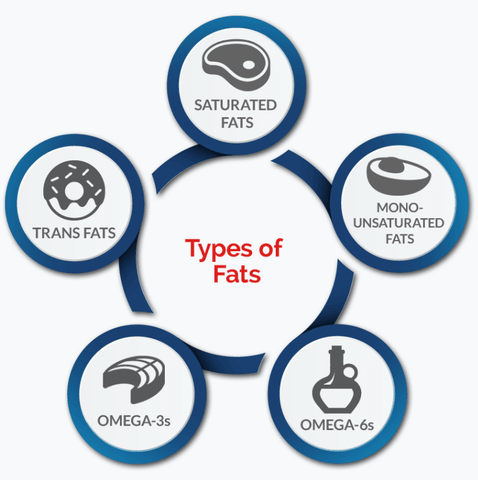
What is the 31-Parameter Fatty Acid Profile Test?
The 31-Parameter Fatty Acid Profile is a sophisticated blood test that measures the levels of essential fatty acids incorporated in the red blood cell membranes. In addition to individual fatty acid levels, the test assesses overall fatty acid levels and total fatty acids, providing a comprehensive view of your dietary intake and metabolic health.
This is different from standard lipid panels, which measure the levels of circulating fats in your blood. In contrast, this test reveals the bioavailable omega levels at the cellular level. It evaluates the omega-3, omega-6, and trans-fat biomarkers and clinically verified ratios of inflammation.
This provides additional insight into cellular membrane composition and inflammatory balance. The panel measures 31 fatty acid biomarkers, including Omega-3, Omega-6, and trans fats, and is available via home collection.
Why Your Omega-3 Index Matters
The Omega-3 Index is a percentage of EPA (Eicosapentaenoic Acid) and DHA (Docosahexaenoic Acid) in the membranes of red blood cells. Red blood cells live for about 120 days. Because of this, the Omega-3 index reflects long-term dietary intake. A low Omega-3 Index has been associated with cardiovascular risk in observational studies.
Conversely, the plasma fatty acid tests have the ability to vary within hours following the consumption of fish or supplements. A higher Omega-3 Index has been associated with improved cardiovascular health, cognitive maintenance, and less inflammatory burden.
An Omega-3 Index of 8% or higher is generally considered cardioprotective in observational studies. An Omega-3 index of 8% or higher is considered optimal. Levels around 10% may offer additional protection.
Cholesterol vs. Inflammation
A standard lipid profile measures the amount of fats in the blood- total cholesterol, LDL, HDL, and triglycerides. It, however, does not determine the quality of fatty acids used in the cell membranes.
The Omega-3 Index and related ratios assess the balance of your polyunsaturated fatty acids, which directly affects the inflammatory signalling pathways. This distinction helps bridge the gap between routine metabolic numbers and actual cellular health.
Detailed Biomarkers Measured in Your Profile
This is a complete panel that measures 31 fatty acid parameters to provide a complete picture of omega balance and inflammatory status. The analysis encompasses the individual fatty acids, summative groupings and clinically significant ratios, which affect the metabolic and cardiovascular risk.
The report includes individual fatty acid levels and clinically relevant ratios for detailed assessment. The combination of these biomarkers gives an understanding of membrane integrity, inflammatory signalling, and nutritional sufficiency. Early detection allows for informed dietary and supplementation adjustments.
Omega-3 Family:
Quantity of EPA, DHA, Alpha-Linolenic Acid (ALA), Docosapentaenoic Acid (DPA), and Total n-3. These are important fatty acids that help in cardiovascular health, neuro-protection and anti-inflammatory mechanisms. Sufficient concentrations aid in better membrane fluidity and cellular signalling efficiency.
Omega-6 Family:
Arachidonic Acid (AA), Linoleic Acid (LA), and total n-6 fatty acids are measured to assess pro-inflammatory potential. Sunflower oil and other plant oils, such as flaxseed, soybean, and canola oils, are significant dietary sources of omega-6 fatty acids.
Monitoring and adjusting intake of these oils is important for maintaining a balanced fatty acid profile and optimal health. Although omega-6 fats are needed, large intakes compared to omega-3s may promote systemic inflammation. Balanced n-6 levels are important for immune response and tissue repair.
Health-Critical Ratios:
The Omega-6:Omega-3 ratio is a widely used marker of dietary fatty acid balance. Imbalances in these ratios are associated with an increased risk of cardiovascular disease.
Maintaining optimal Omega-6 to Omega-3 and AA/EPA ratios is associated with cardiovascular health in research studies. These ratios are important biomarkers for overall heart health.
The AA:EPA ratio is a ratio that is a specific indicator of cellular inflammatory signalling trends and cardiovascular risk trends.
The trans-fat index has been used to quantify the incorporation of industrial and natural trans-fat into cell membranes, establishing concealed dangers of the diet on metabolic dysfunction.
Who Needs to Pay Attention to the Fatty Acid Balance?
The fatty acid imbalances are usually undetected during normal health checkups. The profile is perfect when one wants to have specific health insights as opposed to broad-based nutritional guidance.
Assessing your nutritional status through fatty acid testing can help identify potential deficiencies and imbalances. It helps in tailoring intervention plans to individual lifestyles and diets by matching the outcomes with them.
The Supplement Tracker:
Assuming that you are taking fish oil or omega supplements, this test confirms that EPA and DHA are being absorbed in red blood cells successfully. It assists in deciding on whether dosage or formulation modification is required. Objective measurement eliminates guesswork in supplementation.
The Plant-Based Dieter:
There might be limited sources of preformed DHA and EPA in the vegan and vegetarian diet. Level monitoring provides sufficient ALA conversion and detects possible deficiencies at an early stage. This is particularly necessary in cognitive health and cardiovascular protection.
The Performance Athlete:
Strenuous training enhances the oxidative stress and inflammatory burden. Fatty acid balance does help to optimize recovery and repair muscle. The AA:EPA ratio can also assist athletes in optimizing their nutritional plans to extend their performance.
The Preventive Health Seeker:
Those people whose family history of heart disease, stroke, or metabolic syndrome is positive are in favour of early inflammatory risk evaluation. Cellular fatty acid analysis provides an extra preventive screening measure over cholesterol analysis. It allows making proactive dietary changes before clinical manifestations.
Improving Fatty Acid Balance
Achieving a healthy fatty acid balance is essential for optimal health and can be managed through mindful dietary choices and, when necessary, supplementation. Increasing your intake of omega-3 fatty acids by eating more fatty fish, flaxseeds, and chia seeds, while reducing consumption of omega-6 fatty acids from vegetable oils, can help create a more favorable fatty acid profile.
Avoiding trans fats found in processed foods and considering supplements like fish oil or algal oil can further support this balance. Addressing fatty acid imbalances is important, as they can contribute to chronic inflammation and raise the risk of conditions such as heart disease, rheumatoid arthritis, and autoimmune conditions. By making informed dietary choices, you can reduce your risk of these health issues and promote overall well-being.
Omega-3 Blood Test Price in India
In India, the cost of an Omega-3 blood test, which measures levels of essential fatty acids like EPA and DHA in your blood. The test cost can vary widely based on the provider, type of test, and whether it’s a basic index or a more comprehensive fatty acid profile.
- A basic Omega-3 Index test (focusing mainly on DHA and EPA) is available for around ₹2,400 from some lab services.
- Mid-range lab options that measure multiple omega-3 and omega-6 fatty acids typically range from ₹2,900 to ₹4,999, depending on the package and lab.
- More detailed profiles that include additional fatty acid ratios and broader lipid markers can cost more, often ₹4,000–₹7,000+ or more at private labs.
Prices may also differ if sample collection is done at home versus in-lab, and different cities and diagnostic chains can have varied pricing structures. Always check with the specific lab for the most accurate, up-to-date cost before booking.

Why Choose MyDiagnostics
MyDiagnostics provides the most comprehensive Omega-3 and Omega-6 test at your convenience. You should consider MyDiagnostics for:
- NABL and ISO labs
- Home sample collection
- Doctor reviewed reports
- Pan-India service
Accuracy You Can Trust: NABL and ISO Certified Tests
MyDiagnostics analyzes fatty acids using validated Dried Blood Spot (DBS) technology. Validated dried blood spot (DBS) technology has demonstrated a strong correlation with traditional venous sampling in fatty acid analysis.
The samples are analyzed in the NABL and ISO-certified labs, and the standard of analytical accuracy and quality control is high. This guarantees that your results are precise, repeatable, and clinically reliable.
Simple 4-Step Process
- Order your test online.
- Perform sample collection at home using a simple finger-prick method.
- Send the dried blood spot specimen to the laboratory.
- Receive a comprehensive, professionally reviewed report with practical insights.
- Processed in NABL and ISO-certified laboratories with standardized quality control.
- The average response time to receive results from the Omega-3 and Omega-6 tests is typically 7-10 business days after the sample is sent to the lab.
Service Cities
MyDiagnostics will provide sampling collection and logistics services at home in large cities in India. Services are already offered in:
- Bangalore
- Hyderabad
- Chennai
- Mumbai
- Pune
- Delhi
- Gurgaon
- Noida
- Ghaziabad
- Ahmedabad
- Jaipur
- Lucknow
- Kolkata
- Chandigarh
Service availability may vary by location. Online booking is available for all listed cities. This makes professional fatty acid profiling accessible across India.


