Offer
Provide additional details about the offer you're running.
FLASHSALE


Rs. 4,900
Regular price Rs. 2,900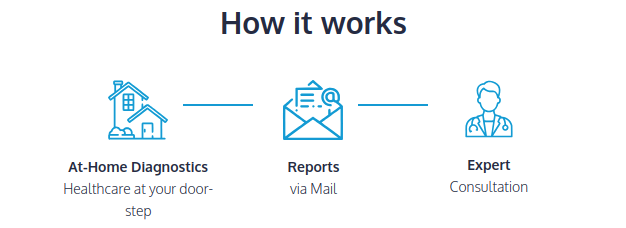

Allergies occur when your immune system reacts to certain foreign substances like dust, pollen, smoke that don’t cause a reaction in most people.
Your immune system produces proteins known as antibodies that help protect you from unwanted invaders that could make you sick or cause infection. In the case of allergies, your immune system produces antibodies that identify a particular substance (allergen) as harmful, even though it isn’t. When you’re exposed to the allergen, the antibodies release a number of chemicals, such as histamine, that can inflame your skin, sinuses, airways, or digestive system.
Eczema is a condition that makes your skin red and itchy. It’s common in children but can occur at any age. Eczema is associated with allergies, and it may be accompanied by asthma or hay fever.
Other signs and symptoms include patches of thickened, cracked and scaly skin, and small, raised bumps that may leak fluid and crust over. In some people, eczema flares periodically and then clear up for a time, even for several years.
Skin allergies (veg or non veg) are diagnosed with the help of a blood test where a blood sample is sent to a laboratory for analysis. The laboratory checks the blood for IgE antibodies to specific allergens like dust, pollen etc. If enough IgE antibodies to a particular allergen are in the blood, it's very likely that the person is allergic to it.
Quality assurance is done at 3 levels
MyDiagnostics provides an at-home blood test for testing skin allergies. The blood sample is tested for measuring the levels of IgE antibodies to diagnose a skin allergy.
Optimal IgE levels in the blood sample for skin allergy testing is between 150 and 300 UI/ml.
When a particular substance triggers an abnormal immunological response in the skin, skin allergies occur. Skin allergies can be caused because of a variety of factors like -
Skin testing allergy test is a reliable and safe way to diagnose IgE-mediated allergies, with rare side-effects. However, prick-to-prick skin test may cause anaphylaxis. Tests should be performed only by physicians with proper training in allergy, experienced in treating promptly and properly episodes of anaphylaxis.
The most common side effect of skin testing is slightly swollen, red, itchy bumps on the skin. In rare cases, a more serious reaction can occur.
Most contagious rashes spread from person to person by direct contact. Rashes are one of the symptoms of allergy.
Yes


