


Comprehensive Heart Health Check Up: ECG, TMT & 2D Echo Package
Test Parameters
A comprehensive heart checkup is a non-invasive set of diagnostic tests, including ECG, TMT, and 2D Echo. These tests evaluate the heart’s structure, electrical activity, and performance under stress.
This assessment is critical for the early detection of asymptomatic heart disease, coronary blockages, and valve abnormalities. It provides a clear cardiovascular risk profile. This helps individuals make informed lifestyle changes or seek timely medical care, reducing the risk of sudden cardiac events.
A complete heart checkup helps detect potential heart disease and assess overall cardiac risk. Further procedures, such as cardiac catheterization, may be recommended only if initial tests indicate a need.
It may include blood pressure assessment as part of an overall cardiovascular evaluation. A more extensive heart examination generally entails several tests and procedures, including:
-
Physical examination: A review of your medical history and a physical examination by a healthcare provider, who will measure your blood pressure, pulse, and other vital signs. Physical examination helps assess risk factors, but coronary artery disease is confirmed through diagnostic tests such as ECG, TMT, imaging, or angiography.
-
Blood tests: These include a lipid profile, cholesterol test, blood sugar, and troponin test. These tests are used to detect heart muscle damage, particularly during suspected heart attacks—not for routine risk assessment.
-
Electrocardiogram (ECG or EKG): This test measures the electrical activity of the heart and can be used to identify a broad array of heart conditions and issues.
-
2D Echocardiogram: This test uses sound waves to create a detailed picture of the heart, determining its size, shape, and function.
-
Stress tests (TMT): The TMT test is a stress test performed by walking or running on a treadmill under the supervision of a healthcare provider. It assesses the effectiveness of the heart and blood vessels during physical activity and helps detect blockages or reduced blood flow.
-
Chest X-ray: A chest X-ray helps assess heart size and detect lung-related complications such as fluid buildup, which may be associated with heart failure.
-
Coronary angiography: This test entails the injection of a dye into the coronary arteries, followed by X-rays to give detailed pictures of the arteries. It is the gold standard for detecting any constriction of the arteries that may lead to heart complications.
These tests together provide a comprehensive view of heart health, enabling accurate evaluation and early intervention.
Which Test Detects What? (Quick Reference Table)

|
Test |
What It Evaluates |
Conditions Detected |
Outcome |
|---|---|---|---|
|
Physical Exam |
Vital signs & risk factors |
Hypertension risk, early warning signs |
Guides further testing |
|
Blood Tests |
Cholesterol, sugar, inflammation |
Atherosclerosis risk, metabolic disorders |
Preventive intervention |
|
ECG |
Electrical activity |
Arrhythmia, silent ischemia |
Rhythm correction |
|
2D Echo |
Structure & function |
Valve disease, Heart failure |
Treatment planning |
|
TMT (Stress Test) |
Blood flow under stress |
Coronary artery disease |
Early detection of blockage |
|
Chest X-ray |
Heart size & lungs |
Fluid overload, enlarged heart |
Supports diagnosis |
|
Angiography |
Coronary arteries |
Blockages leading to a heart attack (Myocardial infarction) |
Definitive diagnosis |
Comprehensive Heart Health Check Up: ECG, TMT & 2D Echo Package
A comprehensive heart checkup is a non-invasive set of diagnostic tests, including ECG, TMT, and 2D Echo. These tests evaluate the heart’s structure, electrical activity, and performance under stress.
This assessment enables early detection of silent conditions like coronary blockages, valve disorders, and rhythm abnormalities. It helps build a clear cardiovascular risk profile.
This allows timely lifestyle changes or medical intervention, reducing the risk of serious events like Heart attack (Myocardial infarction) or Stroke.
Understanding Your Heart Health: Why Proactive Screening Matters
Heart diseases are often overlooked until they become severe, but numerous cardiovascular diseases are asymptomatic. Heart and blood vessel diseases may take years to develop without any visible symptoms, and proactive screening is a crucial aspect of preventive care.
Clinical guidance from the American Heart Association emphasizes regular cardiovascular screening, especially for individuals with risk factors such as hypertension, diabetes, obesity, or a family history of heart disease.
Regular screenings help prevent heart disease and diagnose it early, serving as a proactive defence against cardiovascular disease, the leading cause of death globally.
Heart disease is often referred to as a 'silent killer' because many individuals do not exhibit symptoms until a significant event occurs, making preventive heart screenings essential for early risk identification.
Preventive cardiology emphasizes regular screenings to detect conditions such as high blood pressure and cholesterol imbalances, which can help patients take proactive steps to maintain heart health.
The Silent Progression of Cardiovascular Disease
Cardiovascular diseases, especially Coronary Artery Disease, are usually progressive as they are caused by other underlying processes such as atherosclerosis.
According to the World Health Organization, cardiovascular diseases account for a significant proportion of global mortality, with many cases being preventable through early diagnosis and risk management.
Atherosclerosis develops when fatty deposits build up within the arteries, narrowing them and decreasing blood supply to the heart muscle. High LDL cholesterol and low levels of good cholesterol (HDL) are key contributors to this process, increasing the risk of heart disease.
Monitoring cholesterol levels is important for identifying individuals at higher risk, as these changes often occur silently without symptoms in the initial stages.
Why heart conditions do not usually have early signs:
-
Slow constriction of the arteries: Blood vessels have the ability to adjust to decreased diameter with time, postponing symptoms.
-
Development of collateral circulation: The body can create other blood pathways, which conceal the decreased blood flow.
-
Absence of nerve sensitivity: Pain does not signal some areas of the cardiovascular system until damage is severe.
-
Adaptation of the heart muscle: The heart adapts to more work; it does not always show any immediate indications.
-
Subtle symptoms often overlooked: Early signs like irregular heartbeat or light-headedness may be missed, even though they can indicate underlying heart issues.
Consequently, individuals may feel healthy despite an underlying disease when the heart is already starting to change. The symptoms of the disease, such as chest pains, fatigue, or breathlessness, are commonly experienced at a later stage when the disease has reached an advanced stage.
Role of Preventive Diagnostics in Early Detection
Preventive screening tests are meant to identify early physiological and structural alterations before symptoms appear. These include:
-
Electrical abnormalities: ECG tests monitor the heart's electrical activity to detect arrhythmias or silent ischemic alterations. Ambulatory monitoring devices like Holter monitors can be worn for 24–48 hours to record heart activity during daily life, providing a more comprehensive assessment of electrical health.
-
Blood flow evaluation during stress: Stress testing is used to demonstrate any latent obstructions that would not be detected during rest.
-
Cardiac structure visualization: Imaging methods such as 2D Echo visualize the heart chambers, assessing their size, shape, and any structural abnormalities, as well as identifying valve malfunction, enlargement of chambers, or decreased pump efficiency.
Overall, proactive diagnostics can turn the unknown risks into something that can be acted upon, enabling individuals to take proactive control of their cardiovascular health.
Who Needs a Cardiac Evaluation?
A heart test is important for all age groups, not just those showing symptoms, as cardiovascular diseases are often silent and can affect anyone. Regular heart health check-ups are especially crucial if you are over 40, have a family history of heart disease, or have conditions like diabetes.
Adults over 40 or those with risk factors are often advised to undergo periodic or annual checkups based on clinical evaluation.
Risk-based screening is advised by clinical organizations like the American Heart Association as a method to identify early heart disease symptoms to prevent complications.
Personalized prevention plans allow doctors to tailor advice on diet, exercise, or medication specifically to your individual risk profile, ensuring comprehensive and accessible cardiac health assessments for every age group.
Guided by American Heart Association recommendations, a cardiac test is recommended for:
-
Adults above 40
-
Family history of heart disease
-
Diabetes & hypertension
-
Sedentary lifestyle
-
Smoking, obesity, stress
Frequent heart checks are a preventative measure in ensuring that the heart is healthy in the long run. Early detection of risks will allow people to implement preventive measures, slow down the development of diseases, and greatly decrease the risks of severe cardiac events.

What is the difference between Treadmill Test (TMT) and ECG
An electrocardiogram (ECG or EKG), which can help identify irregular heartbeats, is a test that measures the electrical activity of the heart at rest, while a TMT test is a type of cardiac test that involves walking or running and monitoring your heart beats. on a treadmill while being monitored by a healthcare provider.
Why Choose MyDiagnostics for Your Cardiac Care

Choosing the right diagnostic partner plays a vital role in maintaining heart health. Accurate testing, reliable reporting, and expert interpretation can significantly impact early diagnosis and treatment outcomes.
At MyDiagnostics, we are committed to delivering patient-centric cardiac care by combining advanced technology, standardized protocols, and clinical expertise.
Clinical Accuracy You Can Trust
- NABL-standard testing protocols
- Advanced diagnostic equipment for precise results
- Strict quality control at every stage
Expert Interpretation That Matters
- Reports reviewed by experienced medical professionals
- Clinical correlation for better understanding
- Clear, actionable insights to guide next steps
A Seamless MyDiagnostics Experience
We make cardiac testing simple, convenient, and transparent:
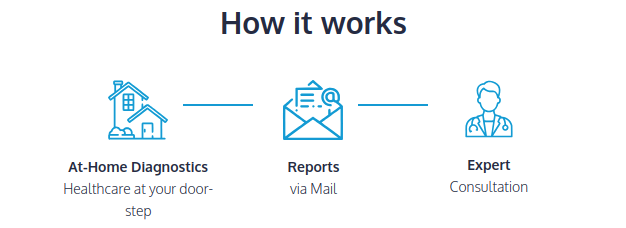
- Home-based ECG testing for comfort and ease
- Hassle-free scheduling for clinic-based TMT & 2D Echo
- Fast and transparent report delivery
Comprehensive Patient Support
- Easy-to-understand reports with clear explanations
- Guidance for doctor consultations
- Ongoing support throughout your health journey
Book your comprehensive heart checkup today with home ECG and clinic-based TMT & 2D Echo services available across India.
Comparative Value and Pricing
Understanding the cost of MyDiagnostics Comprehensive Heart Checkup is critical to making sound healthcare choices. Heart checkup packages are available at different price points, tailored for various age groups and risk levels, making preventive care accessible for everyone. At MyDiagnostics, the cost of the cardiac test is around Rs 4,500 (including 18% discount).
In India, the cost of a heart check-up can vary, but these packages make comprehensive screening more affordable and convenient. MyDiagnostics is a viable option since it offers value heart checkup packages by combining the necessary heart tests in one package without compromising on quality or accuracy.
If you are comparing:
-
2D echo test price
-
tmt test cost
-
heart blockage test price
Here’s a simplified comparison:
|
Test |
Price Range (INR) |
|---|---|
|
ECG |
₹200 – ₹500 |
|
TMT |
₹1500 – ₹3000 |
|
2D Echo |
₹2000 – ₹4000 |
Total individual cost: ₹3700 – ₹7500
MyDiagnostics package: ~₹4500 (discounted)
Understanding Diagnostic Costs
Each cardiac test is added to the cost when ordered separately. Nevertheless, a combined strategy not only helps to save money in general but also makes sure that no important aspect of heart health is omitted.
Scannable Cost Comparison Table:
|
Diagnostic Test |
Purpose |
Individual Price Range (INR) |
Included in Package |
|
ECG (Electrocardiogram) |
Measures electrical activity and rhythm |
₹200 – ₹500 |
✔ |
|
Treadmill Test (TMT) |
Assesses heart performance under stress |
₹1500 – ₹3000 |
✔ |
|
2D Echo (Echocardiography) |
Visualizes heart structure and function |
₹2000 – ₹4000 |
✔ |
|
Total Individual Cost |
— |
₹3700 – ₹7500 |
— |
|
Comprehensive Package Price |
Full cardiac evaluation |
More affordable bundled pricing |
✔ All Included |
Why the package offers better value:
-
Cost efficiency: Bundled pricing significantly reduces the overall cost compared to when each test is booked separately.
-
Comprehensive assessment: The package is a comprehensive report on the health of the heart- electrical, functional, and structural- rather than single outcomes.
-
Simplified decision-making: Patients avoid confusion when selecting individual tests and nothing vital is overlooked.
-
Preventive advantage: By detecting the condition early through comprehensive screening, expensive future treatments can be avoided.
-
Transparency in pricing: MyDiagnostics has transparent and straightforward pricing and has no hidden charges.
Book Your Heart Checkup Today. Early detection can save your life. Schedule your ECG, TMT & 2D Echo package now.


