


Hair Mineral Test & Toxic Test at Home (HTMA) in India
Test Parameters
A hair mineral analysis test (HTMA) is a non-invasive diagnostic method that evaluates mineral levels and heavy metal exposure using a simple hair sample. Hair mineral analysis offers a non-invasive method to assess the body's mineral balance over time. It helps detect nutritional imbalances, toxic metal buildup, and metabolic patterns over time. The test can help identify imbalances that may influence health conditions. This test is valuable for identifying root causes of fatigue, hair loss, and hormonal issues, offering insights beyond standard blood tests.
Modern lifestyles expose us to a complex mix of nutritional imbalances and environmental toxins, often without noticeable early symptoms.
Environmental and lifestyle factors like pollution and toxins may contribute to the development and prevalence of certain chronic conditions, including autoimmune disorders such as Hashimoto’s disease.
A hair analysis for the detection of toxic materials can be used to gather more detailed information about the patient’s health. Hair samples can be tested for a wide range of toxic compounds.
At MyDiagnostics, our HTMA tests the major areas that the human hair analysis is designed for, as follows -
-
Heavy Metals/Toxins: Arsenic (As), Barium (Ba), Aluminium (Al), Cadmium (Cd), Nickel (Ni), Lead (Pb), Mercury (Hg), Strontium (Sr), Thallium (Tl)
-
Minerals: Chromium, Potassium, Phosphorus, Germanium, Magnesium, Iodine, Cobalt, Silicon, Lithium, Manganese, Copper, Molybdenum, Selenium, Sulfur, Sodium, Silver, Vanadium, Calcium, Iron, Zinc
HTMA results can help tailor dietary changes and specific supplement needs, reducing the guesswork of over-supplementation.

What is the Hair Analysis Test
Hair analysis, often referred to as hair mineral analysis, is a cutting-edge diagnostic tool that provides a window into your body’s mineral and toxic metal status. Elemental hair analysis (EHA) is a reliable method for assessing mineral imbalances and heavy metal exposure, offering advantages over traditional blood and urine tests. By examining a small sample of hair, this non-invasive test can identify deficiencies in essential minerals, detect chronic exposure to toxic metals, and offer a comprehensive view of your nutritional status over time.
The process works because hair follicles are richly supplied with blood vessels, which transport essential and toxic elements that are incorporated into the growing hair. This makes hair analysis a reflection of overall body mineral status.
Unlike blood tests, which only capture a snapshot of your current health, hair mineral analysis can reveal long-term trends in mineral levels, providing patterns and imbalances that develop gradually. This makes it an invaluable resource for long-term health monitoring.
Hair mineral analysis is also valuable for individuals experiencing unexplained symptoms such as hair loss, headaches, fatigue, or other health problems that may be linked to mineral imbalances or toxic metal exposure. Hair mineral analysis can uncover indicators that lead to diagnosis, treatment, and recovery.
By identifying the root causes of these issues, hair testing empowers you and your healthcare provider to make informed decisions about your treatment and overall well-being. Hair mineral analysis provides insights into the body's mineral balance and toxic metal accumulation.
The accuracy and reliability of hair mineral analysis help to determine actual mineral levels in the body, providing a more comprehensive picture of health issues related to mineral deficiencies or toxic exposures.
Benefits of Hair Analysis
Hair mineral analysis offers a wide range of benefits for anyone seeking a deeper understanding of their health. By analyzing a small hair sample, this non-invasive test can accurately identify deficiencies in essential minerals and detect the presence of toxic elements that may be affecting your well-being. Unlike many traditional tests, hair analysis provides a long-term view of your nutritional status and potential exposure to environmental toxins, such as heavy metals and other harmful substances.
One of the key advantages of hair mineral analysis is its ability to uncover hidden health problems that might not be apparent through standard blood tests. For example, it can help identify issues related to thyroid function, chronic heavy metal exposure, or even certain genetic disorders that influence mineral metabolism. This comprehensive approach allows healthcare providers to develop personalized treatment and supplementation plans tailored to your unique needs.
Additionally, hair analysis is particularly valuable for monitoring the effects of environmental toxins and toxic elements over time, offering insights into how your body is responding to ongoing exposures. The benefits extend to early detection of deficiencies, supporting preventive health strategies, and guiding interventions that can have a significant impact on your overall health and vitality.
In summary, the benefits of hair mineral analysis include its accuracy, ability to provide a holistic picture of your body’s mineral and toxic element levels, and its role in helping to identify, prevent, and treat a variety of health concerns—all from a simple hair sample.
What Does the Hair Mineral & Toxic Test Detect?
A Hair Mineral and Toxic Analysis (HTMA) is a scientifically supported, non-invasive method of testing nutrient status and exposure levels of toxic metals over a period of time. This test provides insights into mineral patterns and possible long-term exposure to toxins, which may complement standard blood tests.
HTMA may support clinical evaluation by highlighting potential imbalances, but it should not be used as a standalone diagnostic tool. In hair mineral test results, high levels of toxic metals can be detected, which are significant because they may indicate an increased risk for certain health conditions. High levels of toxic metals in hair have been associated with cognitive decline and other health issues.
Hair mineral analysis can also detect imbalances that may influence thyroid function.
It is important to minimize exposure to these and other heavy metals by avoiding contaminated food and water, using protective equipment when working with heavy metals, and following proper disposal procedures.
Additionally, hair mineral analysis can help in monitoring the effectiveness of treatments aimed at correcting nutrient deficiencies.
Heavy Metals (Toxicity Profile): Arsenic, Lead, Mercury, Cadmium, Aluminum
The test screens for the buildup of toxic metals that may disrupt cellular function and neurological health.
Some of the most dangerous heavy metals for humans include:
-
Lead: Lead is a highly toxic metal that can cause irreversible damage to the nervous system, brain, and kidneys. It can also interfere with the development of children's brains and cause developmental and behavioral problems.
-
Mercury: Mercury is a neurotoxic heavy metal that can damage the brain, kidneys, and developing fetuses. It can also cause respiratory problems, tremors, and behavioral changes.
-
Cadmium: Cadmium is a toxic heavy metal that can cause lung and prostate cancer, kidney damage, and bone disorders. It can also impair the body's ability to absorb and use nutrients.
-
Arsenic: It is a carcinogenic heavy metal that can cause skin lesions, cardiovascular disease, and cancer of the skin, bladder, and lungs. It can also cause developmental and cognitive problems in children.
-
Chromium: Hexavalent chromium is a carcinogenic heavy metal that can cause lung cancer, asthma, and respiratory problems. It can also damage the liver, kidneys, and nervous system.
-
Aluminum: Although aluminium is not as toxic as other heavy metals, it can accumulate in the brain. Some studies suggest a possible association, though evidence remains inconclusive.
Hair mineral analysis measures the levels of 29 elements in the body, including both nutrient and toxic minerals. Elevated levels of certain toxic metals in hair may indicate exposure, though clinical interpretation should be done cautiously.
Important Minerals and Nutritional Imbalances
HTMA analyses the most important minerals required for enzyme function, energy production, and hormonal balance. Hair mineral analysis measures both minerals and trace elements, which are important for assessing mineral imbalances and toxic metal exposure.
-
Magnesium and Calcium: Promote nerve signalling, muscle activity, and bone.
-
Zinc and Iron: They are essential in immunity, transportation of oxygen and repair of cells.
-
Selenium: An essential trace element, selenium plays a key role in antioxidant defence and thyroid function, and its levels are assessed by HTMA to monitor for deficiencies and toxic exposures.
-
Sodium & Potassium: Regulate blood pressure, nerves and hydration.
Essential minerals are required for many physiological functions, including enzyme activity and metabolism. HTMA can uncover deficiencies in essential minerals like magnesium, zinc, iron, calcium, and selenium before they show up as abnormalities in blood tests. Deficiencies of essential minerals may be indicative of malnutrition.
HTMA primarily assesses mineral levels; it does not directly measure vitamin status. The lack or excess of certain elements can disrupt the metabolic processes and well-being. Hair mineral analysis can identify deficiencies or excesses of minerals and trace elements, as well as potential exposure to toxic elements.
Key Mineral Ratios and Biomarkers
At a level above the individual levels, HTMA examines ratios yielding a deeper understanding of the physiological trends:
-
Sodium: Potassium ratio: Indicates the adrenal activity and stress.
-
Calcium: Magnesium ratio: Refers to neuromuscular balance and metabolic rate.
-
Zinc: Copper ratio: Associated with the immune system, mood stability and regulation of hormones.
Signs You May Need a Hair Mineral Test
HTMA is commonly prescribed in cases of vague, chronic, or inexplicable symptoms by standard diagnostics.
Typical Symptoms Associated with Mineral Imbalance
You can consider testing when you experience:
-
Constant exhaustion or lack of energy.
-
Frequent brain fog or lack of concentration.
-
Unexplained hair loss or splitting hair.
-
Hormonal disorders (thyroid, PMS, irregular menstrual cycles)
-
Pain or cramps in the joints or muscles without an evident reason.
-
These signs can be indicative of micronutrient deficiencies or toxic overload.
Who Should Consider This Test:
The test can be used with a large variety of people:
-
Individuals who have unexplained chronic health issues.
-
People who are in contact with pollution, chemicals or heavy metals.
-
Individuals who want to have a preventive health check-up.
-
Children and adults require a non-invasive, painless test.
How to Collect Your Hair Sample at Home (3 Simple Steps)
Collecting a hair sample for HTMA is simple and non-invasive. The hair sample should be clean, dry, and free from styling products such as oils, gels, or sprays. Do not wash or shampoo your hair immediately before collecting the sample, as this can affect the test results.
-
Step 1: Cut a small amount of hair (approx. 1 gram) from the nape of the neck, close to the scalp. The test is painless and requires only a small sample of hair cut near the scalp, making it an easy alternative for those who dislike needles.
-
Step 2: Place the sample into the sterile collection kit.
-
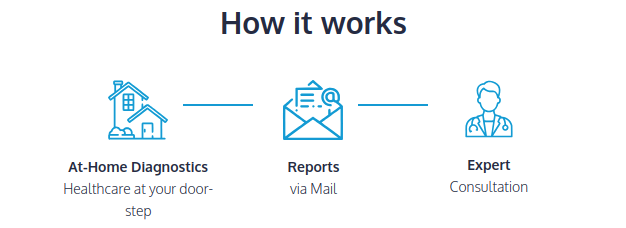
Step 3: Schedule a doorstep sample pickup for laboratory analysis.
Hair Mineral Analysis Test Cost in India (HTMA Test Price Guide)
In India, the price of a hair mineral analysis test will differ based on the provider and level of analysis. At MyDiagnostics, we provide the HTMA test at Rs. 3,499, including 75% discount. You can book an HTMA test online or buy a hair mineral test kit in India.
The factors that generally affect pricing
-
Number of minerals and metals tested
-
Accreditation level of the laboratory
-
Addition of interpretation reports or consultation.
What is Typically Included
The following guide will help you understand the process of hair analysis tests and their results period.
-
The hair analysis test kit will be sent directly to the delivery address of the person.
-
The instructions for sample collection will be mentioned within the kit documents. It is important to comply with them closely when you collect the hair sample.
-
The test analysis address will be mentioned within the kit, with a complete guide on how to send the sample.
Reasons why it is valuable
-
Recognizes latent shortcomings before the deterioration of symptoms.
-
Identifies chronic toxicity.
-
Helps personalize diet, supplementation, and lifestyle changes.
Why Choose MyDiagnostics for Your HTMA Test?
Selecting a provider that is reliable will guarantee accuracy and clinical relevance of results. At MyDiagnostics, we provide advanced laboratory processes to ensure accurate hair mineral test results you can trust.
-
CAP-certified, NABL-accredited, and ISO-compliant laboratories that guarantee quality standards.
-
High-level biomarker analysis using scientifically validated analysis.
-
Test results are typically available within 2 to 4 weeks after the sample is received at the laboratory.
-
Clear and concise actionable health reports
-
Periodic retesting of HTMA every 3–6 months is recommended to track the effectiveness of detox protocols or nutritional interventions.
This accuracy and convenience make it appropriate for preventive and functional health assessment.
Hair Mineral Test vs. Blood Test – Which Is Better?
Research in clinical toxicology suggests hair analysis may reflect chronic exposure better than serum levels in certain cases.
Both tests serve different purposes and are often complementary rather than competitive. In addition to blood tests, urine tests are sometimes used to assess mineral status, but they may not reflect the body's true mineral reserves as accurately as a hair mineral test.
|
Feature |
Hair Mineral Test (HTMA) |
Blood Test |
|---|---|---|
|
Timeframe |
Reflects past 2–3 months |
Reflects current levels |
|
Detection |
Measures tissue mineral storage & toxicity |
Circulating nutrients |
|
Invasiveness |
Non-invasive |
Requires a blood draw |
|
Use Case |
Chronic imbalance, toxic buildup |
Acute deficiency or illness |
Key takeaway:
-
Use HTMA for long-term insights and toxic exposure
-
Use blood tests for immediate physiological status
Important Guidelines: Accuracy, Safety, and Who Should Wait
Some precautions need to be taken in order to guarantee credible outcomes.
Factors affecting results
-
Hair has been treated with chemicals (dye, bleach, rebonding).
-
Pollution of the environment (dust, sweat, oils)
Recommended waiting period:
Allow 4-6 weeks to elapse between chemical treatments and collection of samples.
Clinical relevance:
-
Functional medicine practitioners often use it to evaluate metabolic patterns.
-
Assist in nutritional therapy and detox.

Areas Served - Hair Mineral Test India Wide
The HTMA test is convenient and accessible; it has doorstep sample collection in India. Cities to be covered include major ones such as:
The Hair Mineral and Toxic Test (HTMA) is not merely a diagnostic device; it is an extensive look into your internal balance over time. It aids the discovery of underlying causes of undiagnosed symptoms by detecting both necessary mineral imbalances and toxic metal build-up.
Although it is not an alternative to traditional blood tests, HTMA supplements them and provides a more profound, tissue-level look. Order your HTMA test kit from MyDiagnostics today.
Getting Started with HTMA
Beginning your journey with Hair Tissue Mineral Analysis (HTMA) is simple and accessible. The process starts with collecting a small hair sample, usually from the scalp, which serves as a reliable indicator of your body’s mineral and toxic element status. Once collected, the hair sample is sent to a specialized laboratory, where advanced techniques—such as ICP-mass spectrometry—are used to measure and analyze the levels of essential minerals and toxic elements present in the hair.
To ensure accurate test results, it’s important to follow the laboratory’s specific guidelines for collecting and submitting your hair sample. This includes using clean, untreated hair and following any instructions regarding sample size and packaging. Choosing a reputable lab is crucial, as precise measurement and analysis are key to obtaining meaningful data about your nutritional status and potential exposure to toxic elements.
After the analysis is complete, you will receive a detailed report outlining your mineral balance, any deficiencies, and possible toxic exposures. Interpreting these results with the help of a qualified healthcare provider is essential. Together, you can develop a personalized plan to address any identified deficiencies or toxic element exposures, whether through dietary changes, supplements, or other targeted treatments.
Getting started with HTMA empowers you to take control of your health by providing actionable insights into your body’s mineral and toxin profile—all from a simple, non-invasive hair sample.


