Offer
Provide additional details about the offer you're running.
FLASHSALE


Rs. 7,000
Regular price Rs. 3,800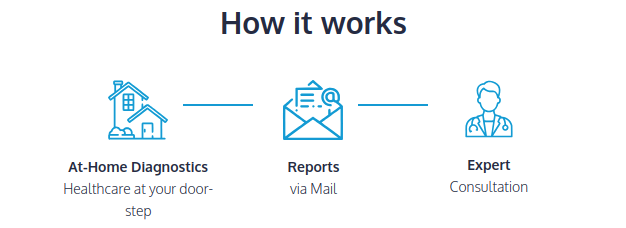
A comprehensive full body checkup in Chennai — also called a complete body checkup — with MyDiagnostics' Total Health Comprehensive (66-parameter) package costs ₹3,800. It covers blood sugar, lipids, liver, kidney, thyroid, adrenal hormones, iron, inflammation markers, vitamins, and complete blood count. Home sample collection across Chennai, NABL/CAP/ISO-accredited labs, digital reports in 24–48 hours.
The Total Health Comprehensive package brings together a broad range of blood tests to assess important aspects of metabolic health, organ function, nutritional status, and other key health markers. By combining multiple tests in a single health assessment, it can provide useful baseline information for identifying abnormal results that may warrant further evaluation.
Regular preventive health assessments can help individuals and their physicians monitor health trends, recognise potential risk factors, and determine whether lifestyle changes or additional diagnostic testing may be appropriate.
According to the World Health Organization (WHO) Global Action Plan for the Prevention and Control of Noncommunicable Diseases, strengthening prevention, early detection, and management of noncommunicable diseases is important for reducing disease burden and improving long-term health outcomes.
The package assesses blood sugar regulation using Fasting Blood Glucose, HbA1c, and Fasting Insulin. Together, these markers provide information about current glucose levels, average blood glucose over the previous few months, and insulin levels that may help clinicians assess metabolic health.
According to the American Diabetes Association (ADA) Standards of Care in Diabetes—2026, HbA1c is an established test for diagnosing diabetes and identifying prediabetes, as well as for monitoring glycaemic control in people with diabetes.
The lipid profile evaluates several blood fats associated with cardiovascular health. It includes:
Total Cholesterol
HDL Cholesterol
LDL Cholesterol
VLDL Cholesterol
Triglycerides
Cholesterol/HDL Ratio
Triglycerides/HDL Ratio
These results can help assess an individual's overall lipid pattern and, when considered alongside factors such as age, blood pressure, smoking status, diabetes, and family history, contribute to cardiovascular risk assessment.
The 2019 ACC/AHA Guideline on the Primary Prevention of Cardiovascular Disease recommends evaluating major cardiovascular risk factors to estimate a person's risk of atherosclerotic cardiovascular disease and guide preventive strategies.
The liver performs essential functions related to metabolism, digestion, protein production, and processing of substances in the body. The liver profile includes:
ALT (SGPT)
AST (SGOT)
Alkaline Phosphatase (ALP)
Total Bilirubin
Direct Bilirubin
Indirect Bilirubin
Albumin
Globulin
Abnormal results may indicate liver-cell injury, cholestasis, impaired bilirubin processing, or changes in the liver's protein-producing function. Results should be interpreted together with symptoms, medical history, medications, and other investigations.
The American Association for the Study of Liver Diseases (AASLD) supports appropriate laboratory testing as part of the clinical evaluation of individuals with suspected liver disease or abnormal liver tests.
The kidneys filter waste products from the blood and help regulate fluid, electrolyte, and acid-base balance. This package evaluates selected markers of kidney function, including:
Creatinine
Blood Urea Nitrogen (BUN)
Uric Acid
Abnormal kidney-related results may require further assessment depending on the individual's clinical history. Kidney evaluation is particularly relevant for people with risk factors such as diabetes, hypertension, cardiovascular disease, or a family history of kidney disease.
The Kidney Disease: Improving Global Outcomes (KDIGO) Clinical Practice Guidelines recommend assessment of kidney function and other markers of kidney health in people at risk of chronic kidney disease.
Electrolytes help maintain fluid balance, nerve function, muscle activity, and normal cardiac function. The package measures:
Sodium
Potassium
Chloride
Changes in electrolyte concentrations can occur with dehydration, kidney disorders, gastrointestinal losses, certain medications, and endocrine conditions. Significant abnormalities may require prompt clinical evaluation.
Thyroid hormones influence metabolism, energy expenditure, temperature regulation, and several other physiological processes. The thyroid profile includes:
TSH
Free T3
Total T3
Free T4
Total T4
TSH is generally the primary laboratory test used to assess thyroid function. Depending on the TSH result, symptoms, and clinical circumstances, a healthcare professional may recommend additional thyroid hormone testing.
The American Thyroid Association (ATA) identifies serum TSH as the primary test for evaluating thyroid function, with Free T4 and other thyroid tests used when clinically appropriate.
The hormone assessment includes:
Testosterone
Morning Cortisol
Estradiol
These hormones are involved in reproductive function, stress response, metabolism, and other physiological processes. Hormone results can vary according to factors such as age, sex, time of testing, menstrual cycle, medications, and other health conditions, so they should be interpreted in the appropriate clinical context.
Iron studies provide a broader assessment of the body's iron status than measuring serum iron alone. The package includes:
Serum Iron
Ferritin
Total Iron Binding Capacity (TIBC)
Transferrin Saturation
These markers can help assess iron stores and support the evaluation of suspected iron deficiency or iron overload. Ferritin is particularly useful for assessing stored iron, although ferritin can also increase during inflammation or infection.
The package includes several biomarkers that may provide additional information when interpreted alongside clinical findings:
High-sensitivity CRP (hs-CRP)
C-Reactive Protein (CRP)
Homocysteine
Creatine Kinase (CK)
CRP and hs-CRP measure different aspects of C-reactive protein assessment and may be used in different clinical contexts. Homocysteine and CK can provide additional information related to cardiovascular risk assessment and muscle injury, respectively. These tests are not diagnostic on their own and should be interpreted according to the individual's clinical circumstances.
The nutritional profile measures several vitamins and minerals that contribute to bone health, blood formation, nerve function, muscle activity, and normal metabolism. It includes:
Vitamin D
Vitamin B12
Folate (Vitamin B9)
Calcium
Phosphorus
Magnesium
Testing these nutrients can help identify selected deficiencies or abnormal levels, particularly when symptoms, dietary factors, medical conditions, or other risk factors warrant assessment.
The World Health Organization (WHO) recognises micronutrient deficiencies as an important global public health concern because inadequate intake or absorption of essential vitamins and minerals can contribute to a range of adverse health outcomes.
A Complete Blood Count (CBC) provides information about the major cellular components of blood. The assessment includes:
Red Blood Cell (RBC) count
White Blood Cell (WBC) count
Haemoglobin
Platelet count
Haematocrit
Red blood cell indices
White blood cell differential count
CBC results can help clinicians evaluate conditions such as anaemia, infections, abnormalities in blood-cell production, and other haematological conditions. Abnormal findings may require correlation with symptoms, medical history, physical examination, and additional tests.
Yes. Complete body checkup, full body checkup, and comprehensive health checkup are commonly used terms for preventive health packages that combine multiple laboratory tests to assess different aspects of health. However, the exact tests included can vary between providers and packages.
The Total Health Comprehensive (66 Parameters) is designed as a broad preventive screening package rather than a test for one particular disease or organ. It combines investigations covering blood sugar, cardiovascular health, liver and kidney function, thyroid and other hormones, iron status, inflammation, vitamins and minerals, electrolytes, and blood-cell health.
The package includes:
Blood glucose and insulin resistance: Fasting Blood Glucose, HbA1c, and Fasting Insulin
Lipid profile and cardiac ratios: Cholesterol and triglyceride-related markers
Liver function: Key enzymes, bilirubin, albumin, and globulin
Kidney function: Creatinine, BUN, and uric acid
Electrolytes: Sodium, potassium, and chloride
Thyroid function: TSH, Free T3, Total T3, Free T4, and Total T4
Adrenal and sex hormones: Morning cortisol, testosterone, and estradiol
Iron studies: Serum iron, ferritin, TIBC, and transferrin saturation
Inflammation and related markers: CRP, hs-CRP, homocysteine, and CK
Vitamins and minerals: Vitamin D, Vitamin B12, folate, calcium, phosphorus, and magnesium
Complete Blood Count (CBC): Haemoglobin, blood-cell counts, haematocrit, indices, and differential count
By bringing these investigations together, the package provides a broader snapshot of metabolic, cardiovascular, endocrine, liver, kidney, nutritional, and haematological health. It can be useful for preventive health monitoring, although abnormal findings may require follow-up testing or clinical evaluation rather than being considered a diagnosis on their own.
The Total Health Comprehensive (66 Parameters) is priced at ₹3,800 in Chennai and is designed for people looking for a broader preventive health assessment in a single package.
Rather than limiting screening to a few routine markers, it combines investigations across metabolic health, cardiovascular risk, organ function, hormones, iron status, inflammation, vitamins, minerals, and blood health.
At ₹3,800, the package includes:
66 laboratory parameters covering multiple areas of health
Convenient home sample collection in Chennai
Testing conducted through NABL, CAP, and ISO-accredited laboratories
Digital reports within approximately 24–48 hours
The package offers more extensive coverage than basic health screening options by incorporating areas such as hormonal assessment, iron studies, inflammatory markers, and vitamin and mineral testing alongside routine metabolic and organ-function investigations.
For the most accurate pricing, check the current package price at the time of booking, as promotional offers or website discounts may change the final amount.
Full body health checkup prices in Chennai can differ considerably because packages are not standardised. The final cost is influenced by the number of parameters, type of tests, laboratory standards, sample collection service, and level of health assessment included in the package.
Entry-level packages generally focus on common screening tests, which may include:
Complete Blood Count (CBC)
Blood glucose
Basic cholesterol testing
Routine thyroid screening
These packages can be suitable for simple preventive monitoring but may not cover specialised health markers.
Mid-range health checkups usually expand the assessment to include additional organ-function and nutritional markers, such as:
Liver function tests
Kidney function tests
Expanded lipid testing
Selected vitamin tests
They provide broader coverage for people seeking more than a basic screening panel.
More extensive packages, such as Total Health Comprehensive, combine routine tests with additional investigations covering areas such as:
Hormonal health
Iron metabolism
Inflammation-related markers
Vitamins and minerals
Metabolic health
Cardiovascular risk markers
The higher price of these packages reflects the greater number and variety of investigations included.
Other factors that can influence the price include home sample collection, laboratory accreditation, quality-control processes, testing technology, and report turnaround time. Therefore, when comparing full body checkup prices in Chennai, it is useful to consider the complete list of parameters and services rather than choosing a package based solely on its price.
Choosing a full body health checkup is not only about the number of tests included. The quality of sample collection, laboratory processing, reporting, and overall convenience also matter when selecting a diagnostic service. MyDiagnostics combines accredited laboratory testing with home sample collection and digital reporting to make preventive health screening more convenient.
MyDiagnostics processes samples through NABL, CAP, and ISO-accredited laboratories, following established quality-management and laboratory-testing standards. Accreditation provides an additional level of assurance that appropriate procedures are followed for laboratory operations, testing, quality control, and result reporting.
Reliable laboratory results depend on proper handling of samples from collection through analysis. Samples collected at home are appropriately identified and processed through established laboratory procedures. Multiple quality checks help reduce the risk of errors during the pre-analytical and analytical stages.
The home collection service allows you to complete your health checkup without travelling to a diagnostic centre. A trained phlebotomist collects the required samples at your chosen location using appropriate collection and hygiene procedures, after which the samples are sent to the laboratory for testing.
Once testing is completed, reports are provided digitally, making them easy to access and share with your doctor. Having an electronic copy can also make it easier to compare results during future health assessments and maintain a personal record of your laboratory investigations.
A comprehensive health checkup may be considered by adults who want to monitor important health markers as part of preventive care, particularly those who:
Are 18 years or older and want routine health monitoring
Have a family history of conditions such as diabetes, cardiovascular disease, or thyroid disorders
Have experienced persistent or unexplained changes in energy, weight, or general wellbeing
Want to assess nutritional markers, iron status, or selected hormone levels
Are monitoring their health after an illness or during recovery, based on medical advice
Have a busy lifestyle and prefer convenient at-home health screening
Want to establish baseline laboratory values for future comparison
A full body checkup is a screening tool rather than a substitute for medical diagnosis. If you have persistent symptoms or known health conditions, discuss the appropriate tests and follow-up with a qualified healthcare professional.
Booking the Total Health Comprehensive package is designed to be convenient, with online scheduling and home sample collection. The process can be completed in a few simple steps, from selecting the package and appointment slot to receiving the final laboratory report digitally.
Select the Total Health Comprehensive (66 Parameters) package online and choose a suitable date and time for sample collection. After the appointment is confirmed, a trained phlebotomist is scheduled to visit your selected location in Chennai.
A trained phlebotomist collects the required blood samples at your home using appropriate collection and hygiene procedures. The samples are then labelled and transported to the designated laboratory for processing, reducing the need to visit a diagnostic centre.
Once received at the laboratory, samples undergo the required processing and testing. The completed results are provided in a digital report, generally within 24–48 hours, allowing you to access and share your results conveniently.
Following the recommended preparation instructions can help ensure that you are ready for the blood tests included in the package. Depending on the tests being performed, you may be advised to:
Fast for approximately 10–12 hours before sample collection if instructed.
Drink plain water during the fasting period unless your healthcare provider advises otherwise.
Avoid alcohol for 24–48 hours before the test.
Avoid strenuous physical activity before sample collection, particularly when certain biochemical or muscle-related markers are being tested.
Take regular prescription medicines only as advised by your doctor; do not stop or change prescribed medication without medical guidance.
Follow any additional instructions provided by the laboratory when booking the appointment.


