Offer
Provide additional details about the offer you're running.
FLASHSALE


Rs. 7,000
Regular price Rs. 3,800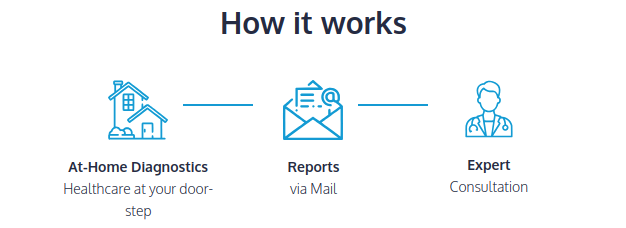
A comprehensive full-body checkup in Hyderabad — also called a complete body checkup — with MyDiagnostics' Total Health Comprehensive (66-parameter) package costs ₹3,800. It covers blood sugar, lipids, liver, kidney, thyroid, adrenal hormones, iron, inflammation markers, vitamins, and complete blood count. Home sample collection across Hyderabad, NABL/CAP/ISO-accredited labs, and digital reports in 24–48 hours.
The Total Health Comprehensive (66 Parameters) package provides a broad overview of several important areas of health in a single laboratory assessment.
The panel covers blood glucose and insulin-related markers; lipids and cardiovascular risk markers; liver and kidney function; electrolytes; thyroid function; adrenal and sex hormones; iron status; inflammation-related markers; vitamins and minerals; and a complete blood count.
Changes in blood glucose regulation and insulin sensitivity can develop gradually, sometimes without obvious symptoms. Tests such as fasting blood glucose, HbA1c, and fasting insulin examine different aspects of glucose metabolism and can provide complementary information.
Fasting glucose measures blood sugar at the time of testing, whereas HbA1c reflects average blood glucose levels over roughly the previous 2–3 months. Fasting insulin can offer additional insight into insulin metabolism when assessed alongside glucose measurements and other clinical information.
According to the American Diabetes Association (ADA) Standards of Care in Diabetes—2026, HbA1c is an established test for diagnosing diabetes and identifying prediabetes when interpreted according to recommended diagnostic thresholds.
Abnormal cholesterol and lipid levels are recognised modifiable risk factors for cardiovascular disease. A lipid profile commonly includes total cholesterol, LDL cholesterol, HDL cholesterol, and triglycerides, helping clinicians evaluate cardiovascular risk together with factors such as blood pressure, diabetes, smoking, family history, and age.
Additional lipid or cardiac ratios may provide supplementary information, but they should not be considered independent predictors of heart attack or stroke.
The 2019 ACC/AHA Guideline on the Primary Prevention of Cardiovascular Disease recommends evaluating established cardiovascular risk factors when determining appropriate preventive strategies and risk-reduction measures.
The liver performs numerous essential functions, including metabolism, protein synthesis, bile production, nutrient processing, and the breakdown of various substances. Some liver conditions may not cause noticeable symptoms during their early stages, making laboratory assessment useful when clinically appropriate.
Parameters such as ALT, AST, alkaline phosphatase, bilirubin, and related markers can help identify patterns associated with hepatocellular injury, cholestasis, or other liver abnormalities. Results should be considered alongside symptoms, medical history, medication use, alcohol consumption, metabolic risk factors, and imaging findings when required.
The American Association for the Study of Liver Diseases (AASLD) supports appropriate clinical and laboratory evaluation when liver disease is suspected or relevant risk factors are present.
Kidney function may decline gradually, particularly among people with risk factors such as diabetes, hypertension, cardiovascular disease, or other chronic conditions. Laboratory testing can help identify potential abnormalities and determine whether further assessment is warranted.
Measurements such as creatinine, blood urea nitrogen (BUN), and uric acid provide useful information about renal and metabolic health. Creatinine is also used in equations for estimating kidney filtration, although interpretation depends on factors including age, sex, body composition, and overall clinical status.
The Kidney Disease: Improving Global Outcomes (KDIGO) clinical practice guidelines emphasise evaluation of kidney function and kidney damage in individuals who are at risk of chronic kidney disease.
Sodium, potassium, and chloride are essential electrolytes involved in maintaining fluid balance, nerve transmission, muscle function, and normal heart activity.
Electrolyte abnormalities may occur due to dehydration, kidney problems, endocrine disorders, medications, gastrointestinal losses, or other health conditions. Measuring these electrolytes as part of a comprehensive assessment can therefore provide useful information about fluid and metabolic balance.
Abnormal results need to be interpreted in combination with symptoms, medication history, existing health conditions, and other laboratory findings.
Thyroid hormones influence metabolism, energy use, temperature regulation, cardiovascular activity, and several other body processes. Thyroid disorders can sometimes present with non-specific symptoms such as fatigue, unexplained weight changes, altered heart rate, or mood changes.
TSH is generally the primary laboratory test used for the initial assessment of thyroid function. Free T4 and other thyroid tests may be added depending on TSH findings, symptoms, treatment status, or the individual's clinical circumstances.
The American Thyroid Association (ATA) identifies TSH as the primary laboratory test for evaluating thyroid function in most initial assessments, with additional testing determined by the clinical context.
Hormones regulate a wide range of physiological processes, including metabolism, stress responses, reproductive function, sexual health, bone health, and muscle function.
Depending on the investigations included in the package, tests such as cortisol, testosterone, and estradiol may provide information about particular endocrine or reproductive functions. However, hormone levels naturally vary according to factors such as age, sex, menstrual cycle, time of day, medication use, and other individual characteristics.
Consequently, hormone results should be interpreted using appropriate reference ranges and considered alongside symptoms, medical history, and other relevant investigations rather than viewed in isolation.
Iron deficiency may occur before haemoglobin levels become low enough to meet the criteria for anaemia. Some people may experience tiredness, reduced exercise tolerance, difficulty concentrating, or hair changes, while others may have no obvious symptoms.
Testing ferritin, serum iron, total iron-binding capacity (TIBC), and transferrin saturation together can provide a more complete assessment of iron status than haemoglobin alone.
Ferritin is commonly used to assess stored iron, but it can also rise in response to inflammation and certain other conditions. Its interpretation should therefore take the broader clinical picture into account.
Inflammatory and related biomarkers can offer additional information when assessed alongside symptoms, medical history, and established cardiovascular or metabolic risk factors.
Tests such as hs-CRP, CRP, homocysteine, and creatine kinase have different purposes and should not be treated as equivalent measures of inflammation. For instance, hs-CRP may contribute to cardiovascular risk assessment in selected individuals, while creatine kinase is more closely associated with muscle injury and muscle-related disorders.
The American Heart Association (AHA) and American College of Cardiology recognise hs-CRP as a potential risk-enhancing factor in selected cardiovascular risk assessments, particularly when the overall risk assessment remains uncertain.
Vitamins and minerals support numerous functions, including bone health, blood formation, neurological function, immunity, and energy metabolism.
Depending on the parameters included, testing may assess Vitamin D, Vitamin B12, folate, calcium, phosphorus, and magnesium. Identifying a deficiency may help inform dietary changes, supplementation, or further evaluation where clinically appropriate.
The World Health Organization (WHO) recognises micronutrient deficiencies as a significant global public health concern because inadequate micronutrient status can affect growth, development, immunity, and overall health.
A complete blood count (CBC) is a commonly used laboratory test in both preventive and clinical healthcare. It evaluates red blood cell measurements, haemoglobin, white blood cells, platelets, and associated blood indices.
CBC findings can provide useful clues about conditions such as anaemia, infection, inflammation, and some blood disorders. Any abnormal result should be assessed in the context of symptoms, medical history, examination findings, and additional testing where required.
In consumer healthcare, complete body checkup, full body checkup, and comprehensive health checkup are often used to describe broad preventive screening packages.
However, these terms do not refer to one universally defined medical test. The number and type of investigations can differ significantly between healthcare providers and packages.
The Total Health Comprehensive (66 Parameters) provides broad laboratory coverage across:
Blood glucose and insulin-related markers
Lipid and cardiovascular risk markers
Liver function
Kidney function
Electrolytes
Thyroid function
Adrenal and sex hormones
Iron studies
Inflammation-related markers
Vitamins and minerals
Complete blood count
This broader coverage can provide a more extensive laboratory assessment than basic health packages that concentrate on a smaller group of routine tests such as CBC, blood glucose, cholesterol, or a single thyroid marker.
The cost of a full body checkup can differ depending on the number and complexity of investigations, laboratory facilities, sample collection arrangements, quality systems, and reporting services.
The Total Health Comprehensive (66 Parameters) is priced at ₹3,800 in Hyderabad.
The package includes:
Home sample collection across Hyderabad
66 comprehensive laboratory investigations
Testing through NABL, CAP, and ISO-accredited laboratories
Digital reports within 24–48 hours
By combining routine laboratory markers with broader assessments that may include hormones, iron studies, inflammation-related biomarkers, vitamins, and minerals, the package offers wider coverage than basic screening panels.
Note: If a promotional price or strike-through MRP appears on the website, confirm the current price before publishing.
The price of a full body checkup can vary considerably because packages are not standardised and may contain different numbers and types of investigations.
Lower-priced packages generally include a limited selection of routine tests, such as:
CBC
Blood glucose
Basic lipid profile
Basic thyroid screening
These packages may suit people looking for a straightforward routine health assessment.
Mid-range packages generally offer wider laboratory coverage and may include:
Liver function tests
Kidney function tests
Expanded lipid testing
Selected vitamin assessments
They can provide a broader preventive assessment than entry-level packages without including as many specialised investigations as comprehensive panels.
Higher-coverage packages generally contain a larger number of investigations and may assess:
Hormonal health
Inflammation-related markers
Vitamins and minerals
Iron status
Broader metabolic health
Pricing can also be influenced by:
Laboratory accreditation and quality-management systems
Home sample collection
Sample transportation and handling
Laboratory quality-control processes
Number and complexity of tests
Report turnaround time
Those looking for a lower-cost preventive screening option can consider Total Health Vitals (60 Parameters), while Total Health Premium is intended for individuals seeking a higher-tier package with additional investigations.
Selecting a preventive health package involves more than comparing prices and the number of parameters. The quality of sample collection, specimen handling, laboratory processes, quality controls, and reporting can all influence the testing experience.
MyDiagnostics combines home sample collection with laboratory testing through accredited facilities and digital reporting for convenient access to results.
Laboratory accreditation reflects compliance with defined standards for quality and technical competence. NABL, CAP, and ISO frameworks include requirements relating to areas such as laboratory processes, personnel competency, documentation, equipment, and quality management.
Testing through accredited facilities can offer greater assurance that established systems for laboratory quality and competency are being followed.
Maintaining result quality involves controls across the pre-analytical, analytical, and post-analytical stages of laboratory testing.
MyDiagnostics uses multiple quality checkpoints, including sealed QR-coded sample collection, specimen verification, laboratory processing, and quality-control procedures. These processes support sample traceability and help minimise avoidable pre-analytical issues.
Home sample collection allows patients to provide blood samples without travelling to a diagnostic centre. A trained phlebotomist visits the selected location with the necessary equipment and follows appropriate procedures for specimen collection and handling.
Following collection, samples are transported to the designated laboratory for analysis under suitable handling conditions.
Digital reports allow patients to access laboratory results electronically rather than waiting for a physical copy. Reports can be downloaded, stored, and shared with a healthcare professional when further interpretation is required.
The stated turnaround time for the Total Health Comprehensive package is generally 24–48 hours, although the exact reporting time can vary depending on the investigations and laboratory processing requirements.
A comprehensive preventive health package may be useful for adults who want a broader laboratory assessment of their general health or who have specific risk factors that warrant periodic monitoring.
It may be considered by:
Adults aged 18 years and above seeking preventive health screening
Individuals with a family history of diabetes, hypertension, thyroid disorders, or cardiovascular disease
People experiencing persistent or unexplained symptoms such as fatigue or changes in body weight
Individuals interested in assessing selected nutritional and hormonal markers
People requiring health monitoring after an illness, when recommended by a healthcare professional
Working professionals looking for a comprehensive periodic health assessment
A full body checkup should not be considered a replacement for medical consultation or diagnostic evaluation when symptoms are present. Anyone experiencing persistent, worsening, or concerning symptoms should seek appropriate medical advice rather than relying only on screening results.
Booking a preventive health package can be completed online by selecting the appropriate package, choosing an available appointment slot, and entering the information required for home sample collection.
Choose the Total Health Comprehensive (66 Parameters) package and select a suitable date and time for sample collection. After the appointment is confirmed, a trained healthcare professional is assigned to complete the home collection.
A trained phlebotomist arrives at the selected location with the required collection equipment. Blood samples are collected using sterile, single-use equipment and labelled appropriately to support specimen identification and traceability.
The collected samples are then transported to the designated laboratory for processing and analysis.
After reaching the laboratory, specimens undergo identification and relevant quality checks before testing. The laboratory investigations are then performed using established analytical methods and quality-control procedures.
Digital reports are generally made available within 24–48 hours, enabling patients to review, download, and share their results conveniently.
Preparation depends on the specific investigations included in the package. Fasting may be particularly important for tests such as glucose, insulin, and certain lipid measurements.
For more consistent testing conditions:
Fast for 10–12 hours before sample collection if fasting has been recommended for your package.
Plain water can generally be consumed during the fasting period unless your healthcare professional has advised otherwise.
Avoid alcohol for 24–48 hours before testing.
Avoid strenuous exercise on the day before sample collection, especially when muscle-related markers such as creatine kinase are included.
If you are pregnant, have an existing medical condition, take regular medicines, or have received specific preparation instructions from your healthcare provider, those instructions should take priority over general fasting recommendations.
A full body checkup in Hyderabad can offer a broad laboratory-based overview of several aspects of health through one preventive assessment. The Total Health Comprehensive (66 Parameters) covers areas including glucose metabolism, cardiovascular risk, liver and kidney function, thyroid and hormone levels, iron status, inflammation-related markers, vitamins and minerals, and blood health.
Priced at ₹3,800, the package includes home sample collection, 66 laboratory investigations, testing through accredited laboratories, and digital reports generally available within 24–48 hours. As with any screening package, results need to be interpreted in context. Abnormal findings may require repeat testing, additional investigations, or consultation with a qualified healthcare professional.


