Offer
Provide additional details about the offer you're running.
FLASHSALE


Time to read 11 min
Table of contents
Normal Blood Sugar After Eating:
- 1 hour: <180 mg/dL
- 2 hours: <140 mg/dL (non-diabetic)
- 3 hours: ~100 mg/dL or baseline
Post-meal blood sugar (postprandial glucose) measures how your body handles sugar after eating, typically checked 1–2 hours after a meal. For most healthy individuals, normal levels remain below 140 mg/dL. Readings between 140–199 mg/dL may indicate impaired glucose tolerance (prediabetes), while levels 200 mg/dL or higher can suggest Diabetes Mellitus if consistently observed.
Monitoring post-meal glucose is crucial because spikes after eating are often the earliest sign of poor sugar control—even before fasting levels rise. Regular tracking, combined with balanced meals, physical activity, and medical guidance, helps maintain stable glucose levels and reduce the risk of long-term complications.
Post-meal blood sugar (postprandial glucose) refers to blood sugar levels measured 1–2 hours after eating.
Normal: Below 140 mg/dL
Prediabetes: 140–199 mg/dL
Diabetes: 200 mg/dL or higher (if consistent)
Monitoring post-meal sugar helps detect early glucose imbalance before fasting levels rise.
After eating, your body converts carbohydrates into glucose. The hormone insulin helps move this glucose into cells for energy. When this process is inefficient, blood sugar levels rise, increasing the risk of conditions like Type 2 Diabetes.
Tracking post-meal glucose is essential for both diabetics and non-diabetics. It helps identify how your body responds to food, highlights sugar spikes, and supports better decisions around diet, physical activity, and meal timing (including approaches like intermittent fasting).
Abnormal post-meal levels—either too high or too low—can signal underlying metabolic issues. Regular monitoring through a blood glucose test enables early intervention, better diabetes management, and prevention of long-term complications affecting energy, mood, and overall health.
Postprandial blood sugar (PPBS) refers to blood glucose levels measured after a meal, typically at the 2-hour mark.
After eating, carbohydrates are converted into glucose, and insulin helps transport this glucose into cells for energy. When this process is impaired, it can lead to elevated sugar levels and increase the risk of conditions like Type 2 Diabetes.
Time After Meal |
Normal Range (Non-Diabetic) |
Prediabetes Range |
Diabetes Range |
What It Indicates |
|---|---|---|---|---|
Fasting (Before Meal) |
70–99 mg/dL |
100–125 mg/dL |
≥126 mg/dL |
Baseline blood sugar level after overnight fasting |
1 Hour After Eating |
<180 mg/dL |
180–200 mg/dL |
>200 mg/dL |
Initial spike after food intake |
2 Hours After Eating |
<140 mg/dL |
140–199 mg/dL |
≥200 mg/dL |
Key marker for glucose tolerance |
3 Hours After Eating |
Returns close to baseline (~100 mg/dL) |
Slightly elevated |
Remains high |
Indicates how well the body clears glucose |
Parameter |
PPBS (Post-Meal) |
Fasting Glucose |
|---|---|---|
When measured |
2 hours after eating |
After 8–10 hours fasting |
What it shows |
Glucose response to food |
Baseline sugar level |
Clinical importance |
Detects early glucose spikes |
Diagnose diabetes baselin |
PPBS is different from fasting glucose as it measures the baseline of the blood sugar when the body is not actively digesting food, which can help prevent heart disease and kidney disease, but also keep an eye on low blood sugar.
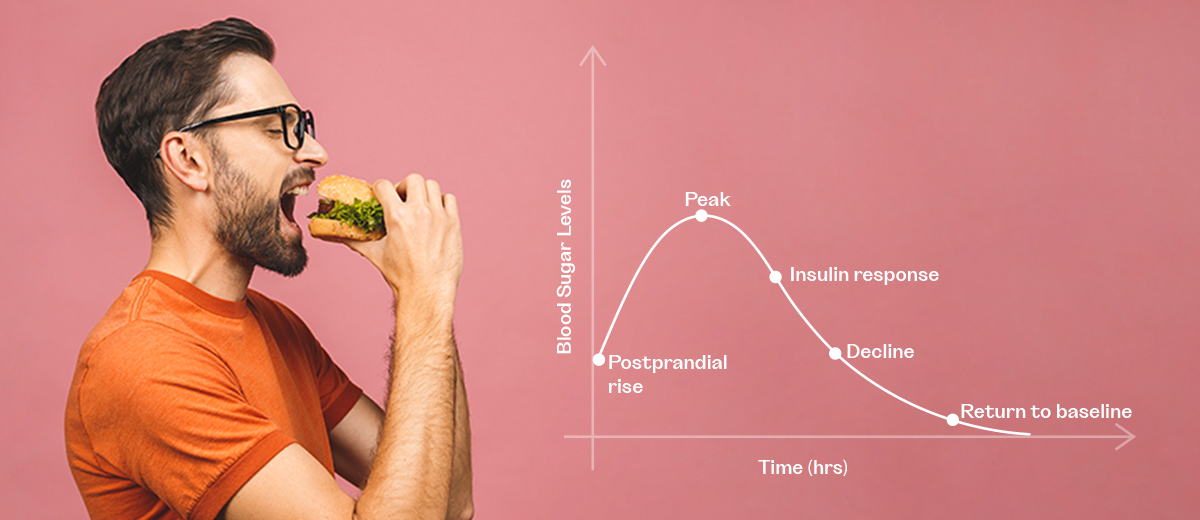
Meanwhile, the postprandial glucose displays the sugar level after consuming carbohydrates and how the sugar level rises, indicating high blood sugar, and when it returns to the baseline, affecting your energy levels.
The insulin response plays a crucial role in regulating post-meal blood sugar by helping the body absorb glucose and return levels to normal.
The PPBS should be measured only under medical guidance from a healthcare professional, and a glucose test, as the expert suggests, should be conducted after a meal.
1 hour post-meal: You should check the initial spike in the blood sugar level.
2 hours post-meal: This is the best time to record the peak of the PPBS suggested by doctors.
3 hours post-meal: After 2 hours of the meal, you should check if the blood level is returning to the baseline.
4 hours post-meal: This can be considered as the case of fasting to measure your blood sugar.
Doctors assess glucose control using a combination of:
PPBS (Postprandial Glucose): Detects post-meal spikes
Fasting Blood Sugar: Measures baseline glucose
HbA1c Test: Reflects average blood sugar over 2–3 months
According to the American Diabetes Association, HbA1c is one of the most reliable indicators for long-term glucose control.
The blood sugar level after a diabetes diagnosis should show the following measured scale of 140 mg dl to ensure the healthy functioning of the body, maintaining normal blood sugar levels, considering other factors that can influence levels.
Understanding normal blood sugar ranges is essential, as these ranges help set blood sugar goals for effective diabetes management and monitoring.
The reading varies for people with non-diabetics and diabetics. Blood sugar levels vary throughout the day and depend on individual factors such as meals, testing time, and personal health conditions. Below is a general range of blood sugar levels for adults.
1 hour after a meal: the readings should be below 180 mg/dL
2 hours after a meal: The readings should drop down to 140 mg/dL
3 hours after meal: The readings should measure 100 mg/dL or lower.
4 hours after a meal: This should show the lowest measurement of the blood sugar level, which ranges from 70–100 mg/dL.
According to the American diabetes association, these numbers can vary depending on a person’s age, metabolism, health conditions, and the presence of gestational diabetes, especially for older adults.
Pregnant women should ideally have a blood sugar level below 140 mg/dL one hour after eating and under 120 mg/dL two hours after eating.
It is crucial to measure the blood glucose PPBS as it can help to ensure that your body is functioning correctly and plays a key role in preventing health issues.
Recognising abnormal blood sugar levels, whether too high or too low, is essential for effective blood sugar management, as high blood sugar or low blood sugar can lead to various serious health problems, diabetes complications and health problems, and impact your overall wellbeing.
The PPBS shows how well your body can adapt or handle the glucose after having meals, indicating insulin sensitivity, and with regular monitoring of fasting blood sugar levels, you can prevent long-term medical complications, such as nerve damage, ensuring healthy well-being.
If there is a case of uncontrolled spikes in blood sugar level, it can risk various serious illnesses, including type 2 diabetes, even if it shows a fasting value later. Managing blood sugar levels after meals is important to prevent complications and maintain optimal health.
The blood sugar level often spikes after having a meal in the first 30–60 minutes of eating, largely influenced by your digestive system. Monitoring your post-meal sugar is important, as tracking these levels 1 to 2 hours after eating helps prevent health complications, especially for seniors and individuals with diabetes.
The Normal range of the PPBS is from <180 mg/dL for most adults. If the reading consistently shows higher than this value and goes beyond the target range due to high glycemic index foods, you should consider seeking medical attention.
This is the advised and most used period of tracking your blood sugar level, along with monitoring food portions, and the reading is accurate and reliable.
The normal range for the non diabetic is from <140 mg/dL, and for diabetics is <180 mg/dL, especially if you are physically active.
The blood sugar level will start to return to its baseline and show lower readings close to the fasting level, so the blood sugar level will typically be around 100 mg/dL or lower. If the reading shows higher than this value, then it means that your body is resisting insulin, and it is essential to stay hydrated.
With the fourth hour, the levels will be of fasting levels and show a value of 70-100 mg/dL.
There are many factors responsible for higher post-meal blood sugar, which may increase the risk of cardiovascular disease. Below are some factors mentioned, as well as other health conditions that may contribute to higher post-meal blood sugar:
If you are consuming meals that are high in glycemic index (high-GI foods) and include sugary snacks or white bread, there is a higher chance that your blood sugar will show rapid spikes. In contrast, low-GI foods lead to a slower, more stable rise in blood sugar. Meals high in carbohydrates and sugars are digested rapidly and cause a quick increase in glucose levels, while meals rich in fibre, protein, and healthy fats result in a slower, more gradual rise.
Irregular eating habits, such as skipping meals or leaving long gaps between them, can cause glucose levels to fluctuate. Skipping meals can lead to unstable blood sugar and increase the risk of insulin resistance.
Choose to add protein, fat, and fibre in your meal to prevent the carbohydrates. Consuming meals rich in fibre, protein, and healthy fats can help slow the rise in blood sugar compared to meals high in carbohydrates and sugars.
Lack of physical activity can also impact the level of blood sugar, as it can influence the spikes.
Being sensitive towards insulin can also lead to the sugar staying longer than normal, which can raise the blood sugar level.
Common risk factors for blood sugar spikes include stress and poor sleep, which can increase the risk of insulin resistance or type 2 diabetes. Hormones like cortisol and adrenaline, released during stress, can increase insulin resistance and blood sugar levels. Poor sleep quality reduces insulin sensitivity and can lead to higher blood sugar readings the next day.
Staying hydrated is important, as drinking water helps the kidneys flush out excess glucose and excess sugar from the body.
Healthy eating is essential for effective blood sugar management and should be part of a holistic approach along with lifestyle changes.
The timing of measuring the blood sugar level should be after one to two hours after eating a meal. Many guidelines and studies suggest that it is the ideal time for a blood glucose test, and the spikes show the accurate measurement of the glucose tolerance of the body.
Best time: 2 hours after meals
Optional: 1 hour (to observe peak spike)
Avoid unnecessary multiple random checks without medical guidance
People with medical conditions or pregnant women may experience different results from the non diabetic and might require more medical care.
At MyDiagnostics, post-meal blood sugar testing is conducted using standardized lab protocols with clinically reviewed reports to ensure accurate and reliable results.
If the postprandial glucose level is consistently high, then it is time for you to take action and look out for medical help, as it can indicate serious medical complications.
Blurred vision can be a potential symptom of abnormal blood sugar levels, so noticing such changes is important and should prompt you to seek medical advice. The high postprandial glucose can indicate risks like:
Insulin resistance: The consistently high level of blood sugar shows that the body is insulin-resistant and has prediabetes and type 2 diabetes.
Poor carbohydrate tolerance: The body is not able to absorb the carbohydrate, which leads to higher spikes.
If the level of PPBS is higher, then it can impact your kidneys and damage other cardiovascular and nervous system.
If there is a case of regular spikes in blood sugar levels after a meal, then you should consider changing and adapting your diet for better blood sugar management. According to the American Diabetes Association, lifestyle changes like diet and physical activity significantly improve post-meal glucose control.
You can opt for foods which are low glycemic, like whole grains, legumes, and non-starchy vegetables.
Do not overeat carbohydrates, as it can lead to unwanted spikes in blood sugar.
Practice walking after having your meal for even 10 to 15 minutes, as this helps lower blood sugar levels by encouraging muscles to use more glucose from the bloodstream.
Staying well-hydrated supports overall blood sugar control, as water helps the kidneys flush out excess glucose and supports blood sugar management.
Choose to have medical attention or insulin if it's recommended by your doctor.
Healthy eating and managing blood sugar levels are essential components of overall blood sugar management, especially for those with diabetes or insulin resistance.
Maintaining healthy post-meal blood sugar levels is essential for preventing metabolic disorders and long-term complications.
For non-diabetics, levels should remain below 140 mg/dL after 2 hours, while individuals with diabetes may have slightly higher targets based on medical guidance.
Regular monitoring, combined with balanced nutrition and physical activity, plays a key role in maintaining stable glucose levels and overall health.
The blood sugar level for non diabetic which ranges below 140mg/dL after two hours of eating can be considered normal meanwhile for diabetics the sugar level should be under 180 mg/dL.
The blood sugar level can be maintained through fasting if it is not high for a consistent period of time and does not require medical attention, ensuring it remains within the target range.
It is recommended by doctors and experts to measure your blood sugar 2 hours after having a meal, as it can ensure an accurate glucose result.
If your blood sugar reading is 200, then it is not a good sign as it can indicate that you are prone to diabetes or other serious medical conditions. Take medical guidance from doctors if this persists.
**Medical Disclaimer: The following information is for educational purposes only. No information provided on this website, including text, graphics, and images, is intended as a substitute for professional medical advice. Please consult with your doctor about specific medical advice about your condition(s).
Related product
Total Health Premium - Full Body Check
Rs. 5,500
Rs. 9,000