Offer
Provide additional details about the offer you're running.
FLASHSALE


Time to read 16 min
Table of contents
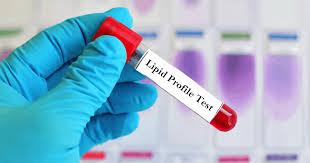
A lipid profile test measures cholesterol and triglyceride levels to assess cardiovascular health and the risk of heart disease. While some lipid tests can be performed without fasting, healthcare providers may recommend fasting for 9–12 hours to improve the accuracy of triglyceride measurements.
Understanding the lipid profile test procedure, fasting requirements, and preparation guidelines helps ensure reliable results and informed healthcare decisions.
A lipid profile test is often done after 9–12 hours of fasting because eating can temporarily increase triglyceride levels and affect the calculation of LDL cholesterol. Fasting helps provide a more accurate assessment of cholesterol and lipid levels, allowing healthcare providers to evaluate cardiovascular risk more effectively.
Although many routine lipid panel tests can now be performed without fasting, fasting may still be recommended when triglycerides are elevated or when more precise lipid measurements are required.
Lipid profile is a blood test which determines different types of blood fat (lipids) in the blood. These measurements offer much information regarding cardiovascular health and can aid in the identification of risk factors that are related to heart disease.
Lipid panels are frequently ordered to screen for lipid disorders, to assess risk for blood lipid levels and to monitor treatment effectiveness. Testing can identify abnormalities early, allowing timely lifestyle changes and medical treatment.
The main purpose of a lipid profile test is to check cholesterol levels and the risk of cardiovascular disease. It is relevant to understanding the mechanism of transportation of fats and their body uses.
The lipid profile test is used for the following reasons:
Blood tests to check cholesterol levels.
Evaluating risk of heart disease.
Tracking effects of cholesterol-lowering drugs
Evaluating metabolic health
Help to provide the necessary preventive health care planning
Lipid tests can also be done to see if a person might benefit from dietary changes, more physical activity or medication to ease their lipids. Working out helps burn calories, which in turn lowers your cholesterol and blood lipids.
Lipids are the fatty substances which are important to the body. Cholesterol is an essential component in the production of hormones, cell membranes, and the synthesis of vitamin D. Too high levels can be responsible for the thickening of the arteries.
The primary blood lipids measured during testing include:
Total cholesterol
Low-density lipoprotein (LDL) cholesterol is also known as “bad” cholesterol
High-density lipoprotein (HDL) cholesterol
Triglycerides
These lipid components should be maintained in balance to maintain cardiovascular health and well-being.
Healthcare providers recommend lipid testing because high cholesterol often develops without noticeable symptoms.
Some individuals are totally healthy who have very high cholesterol. Laboratory tests for lipids are ordered by the doctor for the following:
Routine preventive screening
Cardiovascular risk assessment
Having a family history of heart disease
Diabetes management
Hypertension monitoring
Obesity evaluation
If it is possible to identify the disease or disorder early, the health-care provider might be able to prescribe treatment before it leads to cardiovascular complications.
High and low blood fat levels can be signs or causes of many health issues, and excess cholesterol, especially high LDL, can contribute to plaque buildup in blood vessels. Your lipid profile can give valuable insights into your metabolic and cardiovascular well-being.
The bad cholesterol blood levels are abnormally high in individuals who experience any of the following, pointing to an increased risk of heart attack and stroke:
Coronary artery disease
Atherosclerosis
Stroke risk
Metabolic syndrome
Type 2 diabetes
Familial hypercholesterolemia
Peripheral artery disease
Early detection of these problems allows the medical evaluation and treatment to be carried out in time.
Fasting is often recommended before a lipid profile test because food consumed in the hours before testing can temporarily affect certain blood lipid measurements, particularly triglyceride levels.
After eating, the body absorbs fats and sugars from food, which can cause triglyceride levels to rise for several hours. This temporary increase may influence the accuracy of the lipid profile and make it more difficult for healthcare providers to assess an individual's true cardiovascular risk.
A fasting lipid profile is generally performed after 9–12 hours without food, although plain water is usually allowed. Fasting helps provide a more stable baseline measurement of cholesterol and triglyceride levels, enabling more reliable interpretation of the results.
The importance of fasting before a lipid profile test includes:
Reducing the temporary impact of recent meals on triglyceride levels.
Improving the accuracy of cholesterol and lipid level assessment.
Supporting more reliable estimation of LDL (low-density lipoprotein) cholesterol in certain testing methods.
Helping healthcare providers make informed decisions about cardiovascular risk.
Allowing better comparison of results over time during follow-up testing.
It is important to note that not all lipid profile tests require fasting. Many healthcare organizations now accept non-fasting lipid testing for routine cholesterol screening. However, fasting may still be recommended when triglyceride levels are elevated, when previous test results were abnormal, or when a healthcare provider requires more detailed lipid measurements.
Following the recommended fasting instructions helps ensure that the lipid profile test provides the most accurate information possible about cholesterol and triglyceride levels, supporting effective cardiovascular disease prevention and management.
In preventive healthcare, the emphasis is put on detecting conditions that might promote the development of disease. Having a lipid test is an important part of this management strategy as it can identify abnormal levels of cholesterol, which might be contributing to heart disease risk.
Regular screening helps follow cholesterol and lipid levels over time as part of preventive care:
Continuously monitor heart health over time.
List lifestyle habits that can be modified to lower the risk of developing the disease.
Guide lifestyle interventions
Support treatment decisions
Follow up on cholesterol control efforts
People with other risk factors may need more frequent testing.
The American Heart Association (AHA) and the American College of Cardiology (ACC) have made cholesterol tests an important focus of preventive cardiovascular care, and this preventive testing can support an individualized treatment plan when abnormalities are found.
A lipid panel typically includes the following components:
Parameter |
What It Measures |
Why It Matters |
|---|---|---|
Total Cholesterol |
Overall cholesterol level |
Heart disease risk assessment |
LDL Cholesterol |
"Bad" cholesterol |
Plaque buildup risk in arteries |
HDL Cholesterol |
"Good" cholesterol |
Low HDL cholesterol is linked to higher cardiovascular risk |
Triglycerides |
Blood fats |
Cardiovascular and metabolic risk |
A lipid profile offers comprehensive information about a number of significant blood lipids. Each component provides separate, independent information related to cardiovascular and Metabolic health.
Each measurement has its own meaning, and if patients understand this, they will be better informed about their results and able to talk to their healthcare provider about them.
Total cholesterol is the amount of all blood cholesterol. It contains LDL cholesterol, HDL cholesterol and other lipid-containing particles.
Although triglyceride-like total cholesterol is a good overview, it's not a good sign of any one component. Then, doctors will consider total cholesterol along with LDL, HDL, and triglyceride blood levels for a more thorough evaluation.
The total cholesterol level may be higher than normal and could signal cardiovascular risk factors if there is also a high LDL cholesterol level.
Low-density lipoprotein (LDL) cholesterol is "bad cholesterol" or "low-density lipoproteins." High LDL can help lead to fatty deposits, which can build up in the arteries, and non-fasting samples may underestimate LDL cholesterol levels.
As time goes on, the plaque can become thickened and make the blood vessels too small, which can decrease blood flow to organs. The following steps heighten the possibility of:
Heart attack
Stroke
Coronary artery disease
Peripheral artery disease
One of the priorities of many cardiovascular prevention strategies is reducing elevated low-density lipoprotein (LDL) cholesterol, because measuring cholesterol accurately helps a doctor assess cardiovascular risk.
Also referred to as "good cholesterol," high-density lipoprotein (HDL) cholesterol is an essential part of the body. High-density lipoprotein (HDL) cholesterol is commonly referred to as "good cholesterol" because it is vital to the body. HDL gets rid of surplus cholesterol from the arteries to the liver, where it is processed and excreted.
An elevated HDL level is considered to be protective of the cardiovascular system. HDL cholesterol levels usually remain stable regardless of food intake. HDL is just a part of cardiovascular risk assessment, however.
Lifestyle changes (such as exercise, quitting smoking, and healthy eating) can help achieve healthy levels of HDL and may also help raise HDL cholesterol.
The triglycerides are a type of fat in the blood. They are a useful fuel for the body, but elevated triglycerides are a meaningful lipid abnormality linked to cardiovascular risk when they’re in excess.
High blood triglyceride levels are linked to:
Obesity
Diabetes
Metabolic syndrome
Excess alcohol intake
Poor dietary habits
Fasting may also be recommended before testing because of high triglycerides, which may lead to a greater risk for cardiovascular disease and help establish a more stable baseline for triglyceride levels.
Multiple factors, such as medical history, family history, medical conditions, lifestyle habits and other cardiovascular risks, are taken into account when reviewing lipid panel results.
Doctors look for lipid imbalances in the overall pattern of the lipids rather than relying on a single number. Individual risk assessment can help counsel if lifestyle changes, additional testing or medication are indicated.
Based on clinical criteria, results can be classified under three categories: normal, borderline, or high, though the normal range can vary slightly depending on the laboratory and the individual clinical context.
|
Lipid Parameter |
Desirable |
Borderline |
High |
|
Total Cholesterol |
Less than 200 mg/dL |
200–239 mg/dL |
240 mg/dL or higher |
|
LDL Cholesterol |
Less than 100 mg/dL |
130–159 mg/dL |
160 mg/dL or higher |
|
HDL Cholesterol |
60 mg/dL or higher |
40–59 mg/dL |
Less than 40 mg/dL (low) |
|
Triglycerides |
Less than 150 mg/dL |
150–199 mg/dL |
200 mg/dL or higher |
The accuracy of a lipid profile test depends on how well the lab conducts the test. You will know you are working with a trusted diagnostic provider when he/she provides accurate diagnostics, get the results as soon as possible, and support you throughout the entire diagnostic process.
MyDiagnostics aim is to provide excellent quality laboratory testing solutions, in order to enable people to proactively pursue better cardiovascular health.
MyDiagnostics aims to offer reliable diagnostic solutions, essential for informed health care decisions, whether the screening is routine, working with established health issues, or recommended by your physician.
MyDiagnostics uses high-tech laboratory tests and protocols to perform lipid profile testing. Significant quality systems are implemented to ensure accurate, reliable and clinically relevant test results, with accurate analysis starting from proper handling of the blood sample through reporting.
The laboratory has quality assurance procedures in place, which are adhered to during sample collection and the testing process through to the production of results. This accuracy supports informed healthcare decisions in cholesterol management and cardiovascular risk estimation by healthcare providers.
Convenience is a factor in access to healthcare. myDiagnostics also provides streamlined sample collection, making testing easy and convenient for patients. The lipid panel blood test is a straightforward procedure with minimal risks and rare complications.
The effective practices in the laboratory and the state of the diagnostic systems facilitate prompt report preparation. The speed with which tests are completed and results obtained means people and health care providers are able to review the results as soon as they come in and have the ability to plan further health steps that are needed without delay.
It is associated with the concept of preventive healthcare, which aims at detecting any potential health risk before it becomes a serious medical issue. The evaluation of lipid profile is an important part of cardiovascular preventive screening.
MyDiagnostics can be a partner to implement a preventive health program, providing complete cholesterol, triglyceride and other cardiovascular risk factor screening services. Identifying lipid abnormalities early can help to prompt appropriate action with respect to lifestyle changes and treatment, if needed.
For a person who may be at risk for cardiovascular disease, it is important to watch for changes over time in cholesterol levels. While many people only need regular testing, those being actively monitored may need frequent testing to see how effective the treatment is and how healthy their hearts are.
With MyDiagnostics, diagnostic support to help patients and healthcare professionals with monitoring, evaluation of progress and identification of potential concerns relating to lipids. Regular testing can help with better cardiovascular health management in the long term.
A correct diagnosis will help individuals make well-informed decisions about their health, and clear lipid results help patients and clinicians understand cardiovascular risk in the context of overall health. Knowing their cholesterol and cardiovascular risks will help patients collaborate better with health care professionals.
MyDiagnostics aims to deliver precise and dependable results to enable patient learning and self-management of health. Having reliable diagnostic data is one crucial factor in improving health outcomes in the long term.
A lipid profile is one of the most commonly recommended tests to evaluate cardiovascular risk. Medical groups around the world agree that screening for cholesterol is important in detecting those who might have a higher risk of heart disease and stroke.
Experts note that lipid testing should be considered in conjunction with another cardiovascular risk assessment, which involves a patient's lifestyle, medical and family history and other clinical risk factors.
Many people don't experience symptoms in connection with elevated blood cholesterol levels, and it is important to have regular tests conducted for early detection. It may come as a surprise to many people that high levels of cholesterol may be a part of the problem for their cardiovascular health.
Routine lipid tests may help detect abnormalities that can occur before complications. With lifestyle changes and proper medical attention, there is a possibility of lowering the risk of a heart attack, stroke and heart-related diseases in the long term.
Cholesterol screening is encouraged as part of cardiovascular risk assessment by leading health organizations, such as the World Health Organization (WHO), the American Heart Association (AHA), the American College of Cardiology (ACC) and the National Heart, Lung, and Blood Institute (NHLBI).
Evidence-based guidelines support the routine use of a lipid blood test in adults based on age, family history, risk factors, and the presence of existing medical conditions.
Close supervision may be of special importance for people who are diabetic, have high blood pressure, obesity, or have had heart disease, and some people may also have non-fasting lipid panels as part of evidence-based screening.
A lipid profile helps determine the characteristics of a person's cholesterol, but a single profile doesn't always paint the picture of cardiovascular health. Variations in cholesterol levels may be due to transient influences such as recent diet, disease, medications and other factors.
Lipid interpretation is based on the individual's complete health profile. Sometimes, further testing and repeated measurements together with in-depth risk evaluations are required for making a correct treatment choice.
Note that the indicators of cardiovascular risk may vary over time, and that it is useful to take a periodic test of the lipids. Monitoring is important to evaluate patterns and trends in cholesterol levels and to see how lifestyle changes or medicine are working.
Follow-up testing can be used to recognize improvements, catch new issues and tailor treatment plans as necessary. Regularly checking supports improved cardiovascular results and well-informed health care decision-making.
This approach to cholesterol control may call for a combination of healthy lifestyle choices and medical advice. Providers can use their knowledge to ensure their patients know the meaning of their lipid profile assessment and find ways to lower their risk of cardiovascular disease.
These are some of the recommended measures that may be implemented:
Lifestyle advice: Eating a heart-healthy diet
Regular exercise activity
Being at a healthy body weight
Avoiding tobacco use
Control hypertension and diabetes
If orders call for it, take medication as prescribed.
Education and active participation of patients and health care professionals are important aspects of preventing heart disease and maintaining a healthy heart.
A lipid profile test is an important tool for evaluating cholesterol and triglyceride levels, identifying cardiovascular risk factors, and supporting long-term heart health. While many routine lipid tests can now be performed without fasting, healthcare providers may still recommend fasting for 9–12 hours.
Regular lipid profile testing plays a vital role in the early detection of conditions such as high cholesterol, cardiovascular disease, and metabolic disorders. Combined with healthy lifestyle habits, timely screening can help individuals make informed healthcare decisions and take proactive steps toward maintaining optimal cardiovascular health.
Following your healthcare provider's testing instructions and scheduling routine lipid screenings can contribute significantly to effective prevention and long-term heart health management.
Fasting helps minimize the impact of recent food intake on triglyceride levels, which can improve the accuracy of certain lipid measurements. This allows healthcare providers to make more informed assessments of cardiovascular risk.
Not always. While many routine lipid profile tests can be performed without fasting, doctors may recommend fasting when precise triglyceride measurements are needed or when previous results were abnormal.
No. The need for fasting depends on the purpose of the test, your medical history, and your healthcare provider's recommendations. Some patients may undergo non-fasting lipid testing.
Most healthcare providers recommend fasting for approximately 9–12 hours before a lipid profile test. Water is generally allowed unless instructed otherwise.
Yes. Drinking plain water is usually encouraged because it helps maintain hydration and may make blood collection easier.
Eating before the test may affect triglyceride levels and potentially alter the interpretation of results. Inform the laboratory or healthcare provider if fasting instructions were not followed.
A lipid profile test is used to evaluate cholesterol and triglyceride levels, assess cardiovascular risk, monitor treatment effectiveness, and support preventive healthcare planning.
The test measures total cholesterol, LDL cholesterol, HDL cholesterol, and triglycerides. These values help assess heart health and guide lifestyle or treatment recommendations.
A blood sample is usually drawn from a vein in the arm, and the collection itself takes only a few minutes. Including registration and sample collection, the overall visit is usually completed quickly.
Morning testing is often preferred, especially when fasting is required, because it is easier to complete the recommended fasting period overnight.
Yes. High cholesterol often has no noticeable symptoms, making routine lipid testing an important part of preventive healthcare and cardiovascular risk assessment.
The primary difference is that fasting reduces the influence of recent meals on triglyceride levels. Non-fasting tests are often suitable for routine screening, while fasting tests may provide additional diagnostic clarity in specific situations.
* Medical Disclaimer* - The following information is for educational purposes only. No information provided on this website, including text, graphic, and images, are intended as substitutes for professional medical advice. Please consult with your doctor about specific medical advice pertaining to your condition(s).*