Offer
Provide additional details about the offer you're running.
FLASHSALE


Time to read 10 min
Table of contents
Cholesterol tests assess plaque risk, but they do not measure cellular inflammation or the electrical stability of the heart. The Omega-3 Index measures EPA and DHA in red blood cells and helps predict sudden cardiac death and arrhythmia risk. For accurate cardiovascular risk assessment, both lipid profile and Omega-3 Index should be evaluated together.
While a cholesterol test (Lipid Profile) measures arterial plaque risk via LDL and HDL, it fails to assess cellular inflammation or the risk of sudden cardiac arrest. The Omega-3 Index measures EPA and DHA levels in red blood cell membranes, providing additional prognostic value beyond cholesterol. Together, these tests provide a comprehensive cardiovascular risk stratification to evaluate long-term heart protection and systemic inflammation.
Cholesterol focuses on blood fat levels, while the Omega-3 Index reflects cell membrane health and the balance of inflammation. Together, they provide a more complete picture of heart attack risk than either test alone. Cholesterol predicts atherosclerotic plaque burden, while the Omega-3 Index predicts cardiac stability and sudden event risk. For comprehensive risk stratification, both markers together provide superior predictive insight compared to either alone.
The American Heart Association acknowledges that EPA/DHA intake lowers triglycerides and may reduce certain cardiovascular outcomes (especially in high-risk populations). However, the AHA does not recommend routine Omega-3 Index testing.
In 2004, omega-3 Index risk association research (Harris & von Schacky) formally proposed the Omega-3 Index (O3I) as a novel cardiovascular risk factor, defined as red blood cell (RBC) EPA + DHA expressed as % of total fatty acids. Harris & von Schacky did not argue that the Omega-3 Index replaces cholesterol. They proposed it could function as “a new, modifiable, independent risk factor for coronary heart disease mortality.”
A standard lipid profile (Total Cholesterol, LDL-C, HDL-C, Triglycerides) is foundational in cardiovascular screening. However, it primarily measures circulating fats and does not fully capture inflammation, plaque stability, or the heart's electrical stability. As a result, cardiovascular risk can be underestimated in certain individuals.
A person may have LDL and total cholesterol within reference ranges yet still experience a cardiac event. Reasons include:
Inflammation-driven plaque instability is not reflected in LDL alone
Poor omega-3 status affects endothelial function and arrhythmia risk
Small, dense LDL particles (not shown in basic panels)
Metabolic dysfunction despite borderline lipid values
Cardiac events typically occur through two distinct mechanisms:
Atherogenesis: Gradual plaque buildup in arteries leading to blockage (captured partly by LDL levels).
Arrhythmia: Sudden electrical instability causing abnormal heart rhythm, often linked to inflammation and low cellular omega-3 levels.
The standard lipid profile focuses mainly on the first pathway and offers limited insight into electrical vulnerability.
Serum cholesterol levels can fluctuate due to recent meals, stress levels, acute illness, and short-term dietary changes. In contrast, red blood cell (RBC) membrane fatty acid composition (used in Omega-3 Index testing) reflects approximately 3–4 months of dietary intake and metabolic integration. It provides a more stable, long-term biomarker of cellular fatty acid status.
The Omega-3 Index measures the percentage of EPA (eicosapentaenoic acid) and DHA (docosahexaenoic acid) in red blood cell (RBC) membranes. Unlike routine lipid testing, it reflects long-term cellular incorporation of omega-3 fatty acids and is strongly associated with risk of sudden cardiac death, arrhythmia, and overall cardiovascular mortality.
Red blood cells live approximately 120 days. Measuring EPA and DHA in their membranes provides a rolling 3–4 month average of omega-3 status.
This makes the Omega-3 Index:
A long-term biomarker (not a short-term fluctuation)
Resistant to daily dietary variation
A reflection of true tissue-level fatty acid integration
In clinical terms, it acts as a “metabolic memory” marker for cardiovascular resilience.
While cholesterol predicts atherosclerotic plaque development, the Omega-3 Index has shown a strong association with:
Sudden cardiac death
Fatal arrhythmias
All-cause mortality risk
Low omega-3 levels may increase the electrical instability of cardiac cells, whereas higher levels improve membrane fluidity, reduce inflammation, and enhance plaque stability. For mortality risk prediction, particularly sudden events, the Omega-3 Index often provides incremental prognostic value beyond standard lipid parameters.
Omega-3 Index interpretation typically follows these risk categories:
< 4% (Undesirable): Highest risk zone for sudden cardiac death
4–8% (Intermediate): Moderate cardiovascular risk
> 8% (Optimal): Associated with the lowest cardiac mortality risk
The goal in preventive cardiology is to move patients into the >8% protective range through dietary modification and targeted omega-3 supplementation when indicated.
|
Characteristic |
Lipid Profile (Cholesterol) |
Omega-3 Index (Fatty Acid Test) |
|
Primary Purpose |
Evaluates cholesterol levels and atherosclerosis risk |
Evaluates cellular omega-3 status and cardiac stability |
|
What it Measures |
Total cholesterol, LDL-C, HDL-C, triglycerides |
%EPA+DHA in red blood cell membranes |
|
Biological Sample |
Serum/plasma |
Red blood cell (RBC) membrane |
|
Time Reflection |
Snapshot (days to weeks) |
Long-term average (~120 days) |
|
Best Predicts |
Plaque buildup (atherogenesis) |
Arrhythmia risk & sudden cardiac death |
|
Inflammation Insight |
Indirect/limited |
Directly reflects anti-inflammatory fatty acid balance |
|
Marker Stability |
Fluctuates with diet, stress, and illness |
Relatively stable over 3-4 months |
|
Associated Risk |
High LDL indicates the risk of heart disease |
<4% indicates increased sudden cardiac death risk |
|
Clinical Use |
Standard cardiovascular screening |
Advanced preventive cardiology marker |
LDL-C and EPA/DHA influence cardiovascular risk through fundamentally different biological mechanisms. LDL cholesterol contributes to plaque formation within arterial walls. While omega-3 fatty acids (EPA and DHA) integrate into cell membranes, influencing inflammation, plaque stability, and cardiac electrophysiology. They are not opposing markers; they operate in distinct but complementary pathways.
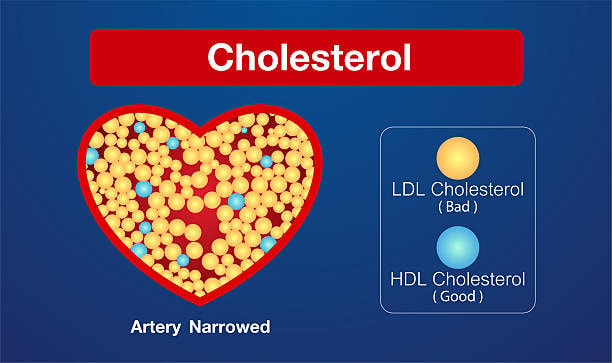
Low-density lipoprotein cholesterol (LDL-C) functions physiologically as a cholesterol transport vehicle. It delivers cholesterol to peripheral tissues for hormone production and cell membrane synthesis.
It becomes pathogenic when:
Plasma concentrations are persistently elevated
LDL particles infiltrate the arterial intima
Oxidative modification occurs
Inflammatory cascades trigger foam cell formation and plaque buildup
This process progressively narrows arteries and increases the risk of myocardial infarction and ischemic stroke. Therefore, LDL-C is a structural risk factor for vascular obstruction.
EPA and DHA (long-chain omega-3 fatty acids) embed into cardiac myocyte membranes. Their cardioprotective effects include:
Improving membrane fluidity
Reducing inflammatory cytokine production
Decreasing platelet aggregation
Stabilizing ion channel function
By modulating sodium and calcium channel activity, EPA/DHA helps reduce electrical instability in the myocardium. This lowers the risk of ventricular arrhythmias, a major cause of sudden cardiac death. Thus, while LDL contributes to the risk of blockage, EPA/DHA improves electrical resilience and plaque stability.
Fish oil supplementation primarily affects triglycerides, not LDL cholesterol.
Clinical effects typically include:
Significant reduction in fasting triglycerides
Mild increase or neutral effect on LDL-C (varies by formulation and dose)
Slight increase in HDL in some individuals
High-dose, prescription-grade omega-3 formulations have demonstrated triglyceride-lowering efficacy and cardiovascular benefit in selected populations.
A standard lipid panel assesses circulating cholesterol. However, cardiovascular protection requires addressing inflammation, metabolic efficiency, and cellular resilience. Improving fatty acid balance, metabolic ratios, and lifestyle inputs offers more durable cardiometabolic risk reduction than cholesterol management alone.
Suboptimal omega-3 status is common and contributes to a pro-inflammatory internal environment. Increasing EPA and DHA intake through fatty fish or targeted supplementation can:
Reduce inflammatory cytokines
Improve endothelial function
Enhance plaque stability
Support heart rhythm stability
An Omega-3 Index above 8% is generally associated with lower cardiac mortality risk. The objective is to achieve measurable correction of the deficiency at the red blood cell membrane level.
Rather than focusing solely on LDL-C, the Triglyceride-to-HDL ratio (TG/HDL) offers practical insight into insulin resistance and metabolic risk.
Interpretation (general guidance):
<2.0 – Favorable metabolic profile
2–4 – Emerging insulin resistance risk
>4 – Elevated cardiometabolic risk
A high TG/HDL ratio often signals excess refined carbohydrate intake, poor metabolic flexibility, and increased small, dense LDL particles. This ratio converts standard lipid data into a more functional risk marker.
Cardiovascular biomarkers respond directly to lifestyle physiology.
Sleep deprivation increases cortisol and inflammatory burden.
Chronic stress promotes sympathetic dominance and endothelial dysfunction.
Physical inactivity impairs lipid clearance and mitochondrial efficiency.
Ultra-processed diets skew the omega-6 to omega-3 balance toward inflammation.
In India, cardiovascular risk assessment is still largely centered around the standard lipid profile. Advanced biomarkers such as the Omega-3 Index are not yet incorporated into routine preventive screening across most laboratories.
Testing methodology, sample handling, and lab accreditation significantly influence result accuracy, especially for fatty acid analysis.
Several practical and infrastructural reasons explain its limited adoption:
Specialized Technology Requirement
Cost & Standardization Barriers
Clinical Awareness Gap
Guideline Integration Lag
A comprehensive heart assessment should ideally evaluate both structural and functional risk factors.
A dual-action model includes:
Standard Lipid Profile: Assesses plaque formation risk (LDL-C, HDL-C, triglycerides).
Omega-3 Index (RBC membrane analysis): Assesses inflammatory balance and arrhythmia vulnerability.
When processed through a National Accreditation Board for Testing and Calibration Laboratories (NABL) accredited laboratory, analytical reliability improves due to standardized quality control and validation protocols.
At MyDiagnostics, we recognize that cardiovascular health is multi-dimensional. Traditional medicine focuses heavily on LDL-centric models, but research consistently shows that fatty acid composition is equally critical for preventing sudden cardiac death. By offering 31-parameter fatty acid analysis alongside NABL-certified lipid panels, we provide a high-resolution view of your heart health, allowing for evidence-based interventions in both lipid management and cellular inflammation.
For a complete heart audit, book the MyDiagnostics Heart Health Combo, which pairs a standard lipid profile with an Omega-3 Index for a 360-degree risk assessment. If your LDL is normal but you have a family history of heart disease, use the MyDiagnostics Omega-3 Index to check for "hidden" electrical and inflammatory risks.
Here's who should consider this test:
Normal cholesterol, but family history
High triglycerides
Diabetes/metabolic syndrome
Sudden cardiac death in the family
The Omega-3 Index is often a better predictor of sudden cardiac death and fatal arrhythmias, whereas LDL cholesterol is a stronger predictor of plaque buildup (atherosclerosis). To fully understand your risk, both markers should be evaluated.
Yes. These are independent markers. A person might have high LDL due to genetics or diet, but maintain a high Omega-3 Index (above 8%) through consistent fish oil intake, providing electrical stability to the heart.
Most standard healthcare protocols in India focus on cholesterol due to the widespread use of statins. The Omega-3 Index is a newer, functional marker that is gaining traction in preventive and integrative cardiology.
Statins are designed to lower LDL cholesterol and have little to no impact on the levels of EPA and DHA in your red blood cells. You can have low LDL from statins but still be at risk due to a low Omega-3 Index.
Individuals with an Omega-3 Index below 4% have a significantly higher risk of experiencing a sudden cardiac event compared to those with an index above 8%. It is considered an "undesirable" and high-risk zone.
Focus on increasing your Omega-3 Index, reducing systemic inflammation (Omega 6:3 ratio), managing stress to lower cortisol, and ensuring your Triglyceride-to-HDL ratio is below 2.0.
Yes, the methodology used by MyDiagnostics follows the standardized RBC membrane analysis protocols developed by leading fatty acid researchers, ensuring your results are comparable to international clinical trials.
Diet can drastically improve your Omega-3 Index through oily fish and supplements. While diet also helps cholesterol, significant LDL elevations often have a genetic component (familial hypercholesterolemia) that may require medical support.
If you have never had a heart test, start with a Lipid Profile. If your results are "borderline" or if you have a family history of heart attacks despite normal levels, an Omega-3 Index is the necessary next step.
A cholesterol test is a basic biochemical assay and is quite affordable. An Omega-3 Index requires advanced chromatography to analyze cell membranes, making it a more specialized and premium diagnostic tool.
***Medical Disclaimer - The following information is for educational purposes only. No information provided on this website, including text, graphics, and images, is intended as a substitute for professional medical advice. Please consult your doctor for specific medical advice regarding your conditions.