Offer
Provide additional details about the offer you're running.
FLASHSALE


Time to read 12 min
Table of contents
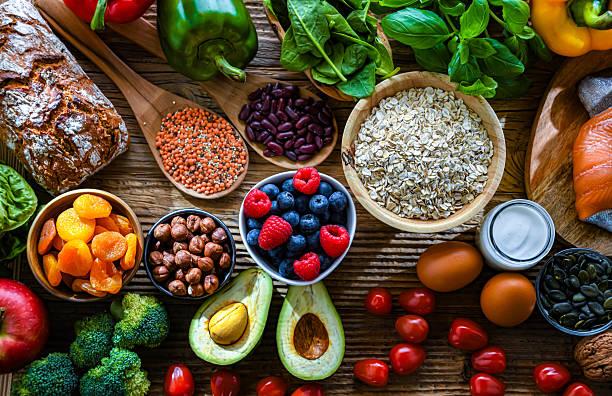
A heart healthy diet focuses on foods that support cardiovascular health, including fruits, vegetables, whole grains, lean proteins, nuts, legumes, and healthy fats. The best diet for heart health limits saturated fats, trans fats, sodium, added sugars, and processed foods while emphasizing nutrient-rich foods that help lower cholesterol, blood pressure, and the risk of heart disease.
Heart health is closely linked to the foods we eat every day. A well-balanced heart healthy diet provides essential nutrients that help maintain healthy blood pressure, cholesterol levels, and overall cardiovascular function. Poor dietary habits, on the other hand, can increase the risk of heart disease, stroke, high blood pressure, and other cardiovascular conditions.
The best diet for heart healthfocuses on nutrient-dense foods that promote healthy circulation and reduce inflammation. For individuals living with heart conditions, adopting a healthy diet for heart disease can improve quality of life and support long-term heart function.
In this guide, we’ll explore the best foods to include, foods to limit or avoid, practical meal plans, and expert tips to help you build a sustainable heart-friendly eating pattern.
A heart healthy diet, also known as a heart diet, is an eating pattern that supports the health of the heart and blood vessels. It emphasizes nutrient-rich foods such as fruits, vegetables, whole grains, lean proteins, and healthy fats while limiting sodium, added sugars, and unhealthy fats.
The main goal of a cardiac diet is to help maintain healthy blood pressure, cholesterol levels, and body weight, reducing the risk of heart disease and stroke. A balanced cardiovascular diet can improve circulation, protect blood vessels, and support overall heart function.
Diet plays a vital role in protecting cardiovascular health and reducing the risk of heart disease. A heart-healthy eating pattern can help lower LDL ("bad") cholesterol, manage blood pressure, control blood sugar levels, and maintain a healthy body weight—all major risk factors for cardiovascular disease.
Nutrient-rich foods such as fruits, vegetables, whole grains, nuts, and healthy fats also help reduce chronic inflammation and prevent plaque buildup in the arteries, improving blood flow and heart function. Research shows that elevated LDL cholesterol is a major contributor to atherosclerosis, while high blood pressure affects nearly 1.3 billion adults worldwide and significantly increases the risk of heart attack and stroke.
According to the World Health Organization, unhealthy diets are among the leading risk factors for cardiovascular diseases, which account for approximately 17.9 million deaths globally each year. By making healthier food choices, individuals can significantly improve heart health and lower their long-term cardiovascular risk.
A heart healthy diet should include a variety of nutrient-dense foods that support healthy cholesterol levels, blood pressure, and overall cardiovascular function. The table below highlights some of the best foods for heart health and their key benefits.
|
Food Group |
Examples |
Heart Benefits |
|---|---|---|
|
Fruits |
Berries, apples, oranges |
Rich in antioxidants and fiber |
|
Vegetables |
Leafy greens, broccoli |
Help lower blood pressure |
|
Whole Grains |
Oats, brown rice |
Reduce cholesterol levels |
|
Lean Proteins |
Fish, skinless poultry |
Support heart function |
|
Nuts and Seeds |
Almonds, walnuts, flaxseeds |
Provide heart-healthy fats |
|
Legumes |
Beans, lentils |
Improve cholesterol levels |
|
Healthy Fats |
Olive oil, avocado |
Protect blood vessels |
Including these foods regularly as part of a balanced cardiovascular diet can help reduce the risk of heart disease and support long-term heart health.
Here are the top heart healthy foods that you should add to your diet:
Key Nutrients: Omega-3 fatty acids, protein, vitamin D
Heart Health Benefits: Helps lower triglycerides, reduce inflammation, and support heart rhythm.
Suggested Serving Size: 2 servings (85–100 g each) per week.
Key Nutrients: Fiber, potassium, folate, nitrates, vitamin K
Heart Health Benefits: May help lower blood pressure and improve blood vessel function.
Suggested Serving Size: 1–2 cups daily.
Key Nutrients: Soluble fiber, B vitamins, magnesium
Heart Health Benefits: Helps reduce LDL ("bad") cholesterol levels.
Suggested Serving Size: ½–1 cup cooked daily.
Key Nutrients: Antioxidants, fiber, vitamin C
Heart Health Benefits: Help reduce oxidative stress and inflammation.
Suggested Serving Size: 1 cup daily.
Key Nutrients: Healthy fats, protein, fiber, magnesium
Heart Health Benefits: Support healthy cholesterol levels and heart function.
Suggested Serving Size: 30 g (a small handful) daily.
Key Nutrients: Monounsaturated fats, antioxidants
Heart Health Benefits: Helps protect blood vessels and improve cholesterol balance.
Suggested Serving Size: 1–2 tablespoons daily.
Key Nutrients: Monounsaturated fats, potassium, fiber
Heart Health Benefits: Supports healthy cholesterol and blood pressure levels.
Suggested Serving Size: ½ avocado daily.
Key Nutrients: Plant protein, fiber, folate, potassium
Heart Health Benefits: Help lower cholesterol and improve blood sugar control.
Suggested Serving Size: ½–1 cup cooked daily.
Key Nutrients: Lycopene, vitamin C, potassium
Heart Health Benefits: May help reduce blood pressure and oxidative damage.
Suggested Serving Size: 1 medium tomato or ½ cup cooked daily.
Key Nutrients: Allicin, antioxidants, manganese
Heart Health Benefits: May support healthy blood pressure and cholesterol levels.
Suggested Serving Size: 1–2 cloves daily.
Key Nutrients: Fiber, protein, magnesium, potassium
Heart Health Benefits: Promote heart health by lowering LDL cholesterol.
Suggested Serving Size: ½–1 cup cooked daily.
Key Nutrients: Plant protein, isoflavones, fiber
Heart Health Benefits: May help improve cholesterol levels when replacing animal fats.
Suggested Serving Size: 1–2 servings daily.
Key Nutrients: Flavonoids, magnesium, antioxidants
Heart Health Benefits: May improve blood vessel function and circulation.
Suggested Serving Size: 20–30 g, a few times per week.
Key Nutrients: Catechins, antioxidants
Heart Health Benefits: May support healthy cholesterol levels and reduce inflammation.
Suggested Serving Size: 2–3 cups daily.
Key Nutrients: Potassium, fiber, vitamins
Heart Health Benefits: Help regulate blood pressure and support heart function.
Suggested Serving Size: 1–2 servings daily (e.g., bananas, oranges, kiwis, apricots).
A balanced cardiac diet focuses on nutrient-rich foods that support healthy cholesterol levels, blood pressure, and overall cardiovascular function. The following food groups form the foundation of a heart-healthy eating plan.
Fruits and vegetables are rich in fiber, vitamins, minerals, and antioxidants that help protect the heart and blood vessels. Choose options such as berries, apples, oranges, spinach, kale, broccoli, carrots, and tomatoes.
Whole grains provide fiber and essential nutrients that can help lower LDL cholesterol and improve heart health. Good choices include oats, brown rice, whole wheat, quinoa, and barley.
Lean proteins support muscle and heart function without excessive saturated fat. Include fish, skinless poultry, legumes, tofu, and soy products in your diet.
Low-fat milk, yogurt, and cheese provide protein, calcium, and other nutrients while limiting saturated fat intake.
Replace butter and trans fats with healthier options such as olive oil, canola oil, and avocado oil to support healthy cholesterol levels.
Dietary fiber helps improve cholesterol levels and promotes overall cardiovascular health. Excellent sources include fruits, vegetables, whole grains, beans, lentils, nuts, and seeds.
Omega-3 fatty acids may help reduce inflammation and support heart function. Include fatty fish such as salmon, sardines, and mackerel, as well as walnuts, flaxseeds, and chia seeds.
While choosing the right food for heart problem management is important, limiting certain foods is equally essential. A good diet for heart disease focuses on reducing foods that can raise cholesterol levels, increase blood pressure, promote inflammation, and contribute to plaque buildup in the arteries.
|
Limit/Avoid |
Reason |
|---|---|
|
Processed Meats |
High in sodium and saturated fat |
|
Fried Foods |
Increase unhealthy cholesterol levels |
|
Sugary Beverages |
Promote weight gain, obesity, and diabetes |
|
Trans Fats |
Increase the risk of heart disease |
|
Excess Salt |
Raises blood pressure |
|
Refined Carbohydrates |
May increase cardiovascular risk and blood sugar levels |
Reducing the intake of these foods and replacing them with nutrient-rich alternatives such as fruits, vegetables, whole grains, lean proteins, and healthy fats can significantly support long-term heart health.
Several evidence-based eating patterns have been shown to support cardiovascular health and may be considered the best diet for heart disease management. These diets focus on nutrient-dense foods, healthy fats, and reduced intake of sodium and unhealthy fats.
The Mediterranean diet emphasizes fruits, vegetables, whole grains, legumes, nuts, olive oil, and fish.
Benefits:
Improves cholesterol levels
Reduces the risk of heart attack and stroke
Supports healthy blood vessel function
The Dietary Approaches to Stop Hypertension (DASH) dietfocuses on fruits, vegetables, low-fat dairy, whole grains, and lean proteins.
Benefits:
Lowers blood pressure
Reduces sodium intake
Supports overall heart health
A plant-based diet prioritizes fruits, vegetables, legumes, whole grains, nuts, and seeds while limiting animal products.
Benefits:
High in fiber
Supports weight management
May help lower cholesterol and blood pressure
The TLC Diet was developed to help reduce cholesterol levels and improve heart health. It emphasizes limiting saturated fat and dietary cholesterol while increasing fiber-rich foods.
Benefits:
Helps lower LDL ("bad") cholesterol
Encourages healthier food choices
Supports long-term cardiovascular health
A well-planned cardiovascular diet should provide a balance of fiber, lean protein, healthy fats, and essential nutrients while limiting sodium, added sugars, and unhealthy fats. Below is a sample one-day heart healthy diet plan. A healthy diet can improve gut microbiome health.
|
Meal |
Recommended Foods |
|---|---|
|
Breakfast |
Oatmeal topped with berries and a handful of nuts |
|
Mid-Morning Snack |
Fresh fruit with a small portion of unsalted nuts |
|
Lunch |
Grilled fish, brown rice, and steamed vegetables |
|
Afternoon Snack |
Low-fat yogurt or fresh fruit |
|
Dinner |
Lentil soup with mixed salad and whole-grain bread |
|
Evening Snack |
Herbal tea with a serving of fresh fruit |
A coronary artery disease diet focuses on reducing risk factors that can worsen artery blockage and increase the likelihood of heart attacks. Following a healthy diet for cardiovascular disease can help improve heart function and support long-term cardiovascular health.
Limit foods high in saturated fat, such as fatty cuts of meat, full-fat dairy products, butter, and processed foods. Replace them with healthier fats from olive oil, nuts, seeds, and fatty fish.
Excess sodium can contribute to high blood pressure, placing additional strain on the heart. Choose fresh foods whenever possible and limit processed, packaged, and fast foods.
Focus on fiber-rich foods such as oats, fruits, vegetables, beans, and whole grains, which can help lower LDL ("bad") cholesterol levels. Avoid trans fats and limit foods high in dietary cholesterol.
Maintaining a healthy weight can reduce the workload on the heart and improve blood pressure, cholesterol, and blood sugar control. Prioritize portion control, regular physical activity, and nutrient-dense foods over calorie-dense processed foods.
Making small, consistent dietary changes can significantly improve heart health and support long-term disease management. Aim for less than 5 grams of total fat per serving. Keep track of the number of servings you eat. Limit saturated fat to less than 6% of daily calories.
Check nutrition labels for sodium, saturated fat, trans fat, added sugars, and calorie content. Choose products with lower amounts of these nutrients whenever possible.
Opt for grilling, baking, steaming, roasting, or air-frying instead of deep-frying. These methods help reduce unnecessary fat intake.
Eating appropriate portions can help maintain a healthy weight and prevent overeating. Use smaller plates and pay attention to hunger and fullness cues.
Limit processed and packaged foods, and use herbs, spices, lemon, or garlic to flavor meals instead of excess salt.
Drink adequate water throughout the day to support overall health. Limit sugary drinks and high-calorie beverages.
Preparing meals in advance can help you make healthier choices, control portions, and avoid relying on processed or fast foods.
Healthy lifestyle habits work alongside a heart-healthy diet to reduce the risk of cardiovascular disease and improve overall well-being.
Aim for at least 150 minutes of moderate-intensity exercise per week. Regular activity helps improve heart function, manage weight, and lower blood pressure.
Chronic stress can negatively affect heart health. Practices such as meditation, deep breathing, yoga, and mindfulness can help reduce stress levels.
Getting 7–9 hours of quality sleep each night supports healthy blood pressure, metabolism, and overall cardiovascular health.
Quitting smoking significantly reduces the risk of heart disease, stroke, and other cardiovascular complications while improving overall heart and lung health.
Consult a healthcare professional if you:
Have existing heart disease or a history of cardiovascular problems.
Have diabetes, high blood pressure, or high cholesterol.
Experience symptoms such as chest pain, shortness of breath, or irregular heartbeat.
Need a personalized diet plan tailored to your health condition and goals.
Professional guidance can help ensure safe and effective dietary changes for better heart health.
The Mediterranean diet is widely considered one of the best heart-healthy diets. It emphasizes fruits, vegetables, whole grains, legumes, nuts, olive oil, and fish while limiting processed foods, added sugars, and unhealthy fats. This eating pattern has been shown to improve cholesterol levels, lower blood pressure, and reduce the risk of heart disease.
The best foods for cardiovascular health include fatty fish, leafy green vegetables, berries, oats, whole grains, nuts, seeds, legumes, olive oil, avocados, and fruits rich in potassium. These foods provide fiber, healthy fats, antioxidants, and essential nutrients that support heart health.
Heart patients should limit or avoid processed meats, fried foods, sugary beverages, foods high in trans fats, excess salt, and refined carbohydrates. These foods can increase cholesterol levels, blood pressure, inflammation, and the risk of cardiovascular complications.
Yes. The Mediterranean diet is highly recommended for heart disease because it emphasizes fruits, vegetables, whole grains, olive oil, nuts, and fish, which can help improve cholesterol levels, reduce inflammation, and lower the risk of heart attacks and stroke.
A cardiac diet is a heart-healthy eating plan that focuses on fruits, vegetables, whole grains, lean proteins, and healthy fats while limiting sodium, added sugars, and unhealthy fats to support cardiovascular health and reduce the risk of heart disease.
Berries, apples, oranges, bananas, pomegranates, and avocados are among the best fruits for heart health. They are rich in fiber, antioxidants, potassium, and other nutrients that help support healthy blood pressure, cholesterol levels, and overall cardiovascular function.
A healthy diet alone may not completely reverse heart disease, but it can help slow its progression, improve heart health, lower risk factors such as high cholesterol and blood pressure, and, in some cases, contribute to partial plaque reduction when combined with medical treatment and lifestyle changes.
Most heart patients should limit sodium intake to less than 2,000 mg per day (about 5 grams of salt or 1 teaspoon), or follow their doctor's specific recommendations based on their condition.
A heart-healthy breakfast can include oatmeal topped with berries and nuts, whole-grain toast with avocado, or low-fat yogurt with fruit. These options provide fiber, healthy fats, and nutrients that support cardiovascular health.
Yes, eggs can be part of a heart-healthy diet when eaten in moderation. They provide high-quality protein and essential nutrients, and most healthy individuals can safely include them as part of a balanced eating plan.
Medical Disclaimer - The following information is for educational purposes only. No information provided on this website, including text, graphic, and images, are intended as substitutes for professional medical advice. Please consult with your doctor about specific medical advice pertaining to your condition(s).