Offer
Provide additional details about the offer you're running.
FLASHSALE


Time to read 8 min
Table of contents
Iron deficiency anemia is a condition where the body lacks enough iron to produce hemoglobin, the oxygen-carrying protein in red blood cells. Common iron deficiency anemia symptoms include fatigue, pale skin, shortness of breath, and pica (craving ice or non-food items).
It is most often caused by blood loss (such as heavy periods), low dietary iron intake, or poor absorption. Early iron deficiency may not show obvious symptoms but can be detected through blood tests.
Diagnosis typically involves an anemia blood test, including a Complete Blood Count (CBC) and a ferritin test, which is the most sensitive marker for detecting low iron stores.
Early testing helps identify iron deficiency before symptoms become severe. You can book an anemia blood test online or opt for an at-home ferritin test with MyDiagnostics for a convenient and accurate diagnosis.
Iron Deficiency Anemia (IDA) is a common condition where your body doesn’t have enough iron to make healthy red blood cells. These cells carry oxygen, so when iron is low, your body struggles to get enough oxygen where it’s needed.
Your body needs iron to make hemoglobin (the part of blood that carries oxygen). Without enough iron, you feel tired and weak because your body isn’t getting proper oxygen.
Ferritin levels below 30 ng/mL may indicate iron deficiency. Hemoglobin below 12 g/dL in women suggests anemia. Iron deficiency is the most common cause of anemia globally.
Iron deficiency anemia means “low iron = less oxygen in your body = low energy.”
The good news is—it’s very common and usually easy to treat once diagnosed.
|
Symptoms |
Fatigue, weakness, pale skin, dizziness, shortness of breath, hair fall, brittle nails |
|
Causes |
Low dietary iron, blood loss (heavy periods/bleeding), poor absorption, increased needs (pregnancy, growth) |
|
Diagnosis (Blood Test) |
Hemoglobin (Hb), Serum Ferritin (iron stores), Serum Iron, Total Iron Binding Capacity (TIBC), Complete Blood Count (CBC) |
Iron Deficiency Anemia is a condition where your body doesn’t have enough iron to make healthy red blood cells. As a result, your body can’t carry enough oxygen, which leads to tiredness and weakness.
Iron is used to make hemoglobin, a protein in red blood cells that carries oxygen from your lungs to the rest of your body. When iron levels are low, hemoglobin drops, so your tissues don’t get enough oxygen. This is why you may feel tired, breathless, or weak.
Iron deficiency usually happens in stages:
Stage 1: Low iron stores – Your body’s stored iron (measured by ferritin) starts to drop, but you may not feel symptoms yet.
Stage 2: Reduced iron supply – Less iron is available to make hemoglobin.
Stage 3: Anemia develops – Hemoglobin levels fall, leading to clear symptoms like fatigue, pale skin, and dizziness.
Low iron doesn’t just make you tired—it can affect your brain, nerves, skin, and even your cravings.
Fatigue (extreme tiredness): Happens because your body isn’t getting enough oxygen to produce energy.
Pallor (pale skin): Low hemoglobin reduces the red color of blood, making skin look pale.
Breathlessness: Your body tries to compensate for low oxygen by making you breathe faster, especially during activity.
Pica (craving non-food items like ice, मिट्टी, or starch): Low iron can affect brain chemistry, leading to unusual cravings. Ice craving (pagophagia) is especially common.
Restless Legs & Headaches: Iron is important for proper nerve function. Low levels can cause uncomfortable leg sensations (especially at night) and frequent headaches due to reduced oxygen supply to the brain.
Brittle, spoon-shaped nails (koilonychia): Nails become thin, weak, and may curve upward.
Hair loss: Reduced oxygen and nutrients to hair roots can cause increased hair fall.
Sore or swollen tongue: The tongue may feel smooth, tender, or inflamed due to a lack of healthy red blood cells.
Experiencing these symptoms? Book your anemia blood test at home with MyDiagnostics today.
Visit your healthcare provider if you have:
Severe fatigue
Persistent low hemoglobin
Unexplained blood loss
Iron levels drop due to loss (bleeding), poor absorption, or higher demand, and often, more than one factor is involved. Here are the root causes that reduce iron levels:
One of the most common reasons for low iron is ongoing blood loss. This can be obvious (like heavy menstruation) or “silent,” such as:
Peptic ulcers (bleeding in the stomach)
Intestinal polyps or small internal bleeds
Over time, even small amounts of blood loss reduce your body’s iron stores.
Sometimes, you may be eating enough iron, but your body can’t absorb it properly:
Celiac disease damages the intestine, reducing nutrient absorption
Gastric bypass surgery alters the digestive system, making it harder to absorb iron
At certain stages, your body simply needs more iron:
Pregnancy: Iron is needed for both the mother and the growing baby
Childhood & adolescence: Rapid growth increases iron demand
People at the highest risk are those with higher iron needs or lower absorption, especially women, growing children, and those on plant-based diets.
Women are at higher risk due to menstruation, which causes regular blood (and iron) loss. During pregnancy, iron needs increase significantly to support the growing baby and increased blood volume, making deficiency more likely.
Plant-based diets contain non-heme iron, which is harder for the body to absorb compared to heme iron found in animal foods. Without careful food choices (like pairing iron-rich foods with vitamin C), the risk of low iron increases.
Infants: Need adequate iron for brain development and growth, especially after 6 months when natural stores start to drop.
Adolescents: Rapid growth and, in girls, the start of menstruation increase iron requirements.
Diagnosis starts with CBC, is confirmed with ferritin, and is further clarified with advanced iron tests to understand the full picture.
This is the first and most common blood test to check for anemia:
Hemoglobin (Hb): Shows how much oxygen-carrying protein is in your blood (low = anemia)
Hematocrit (Hct): Measures the percentage of red blood cells in your blood
MCV (Mean Corpuscular Volume): Tells the size of your red blood cells. Iron deficiency usually causes smaller (microcytic) cells
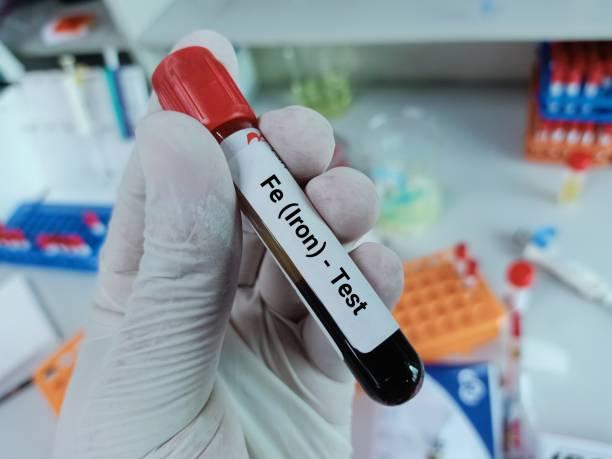
The ferritin test measures how much iron is stored in your body
It’s considered the “gold standard” because it detects iron deficiency early, even before hemoglobin drops
Ferritin is considered your body’s iron bank account
MyDiagnostics iron panels give a more detailed picture of iron levels:
Serum Iron: The amount of iron currently circulating in your blood
TIBC (Total Iron Binding Capacity): Shows how well your blood can carry iron (often high in deficiency)
Transferrin Saturation: Percentage of iron actually bound and available for use (usually low in deficiency)
Check your iron levels with a ferritin test and CBC—available with home collection.
Treatment works best with a combination of supplements (when needed) and smart food choices to rebuild and maintain healthy iron levels.
Doctors often prescribe Ferrous Sulfate to quickly restore iron levels
It increases hemoglobin and rebuilds iron stores over time
Medical supervision is important because too much iron can be harmful (iron toxicity) and cause side effects like stomach upset
The dose and duration depend on your blood test results
Include iron-rich foods such as red meat, spinach, lentils, jaggery, and dates
Pair them with Vitamin C sources (like lemon, oranges, amla) to boost absorption up to 2–3x better
Avoid tea/coffee right after meals, as they can reduce iron absorption
Don’t guess—confirm with a blood test before starting supplements.
With MyDiagnostics, you get accurate testing, a hassle-free experience, and early insights so you can act before anemia affects your daily life.
Tests are processed in NABL-accredited and ISO-certified laboratories using standardized clinical protocols for key tests like CBC and ferritin
Ensures reliable and precise results for accurate diagnosis
Helps detect iron deficiency early, even before severe symptoms appear
Easy online booking for blood tests from home
Option for home sample collection (no need to visit a lab)
Fast, digital reports delivered directly to your phone or email
Early detection helps prevent fatigue, weakness, and complications
Clear reports make it easier to take the right treatment steps quickly
Empowers you to manage your health proactively
Order your at-home ferritin test online with MyDiagnostics for accurate and early detection.
The very first signs of low iron are usually subtle:
Fatigue: Feeling unusually tired, low energy, or weak even after rest because your body isn’t getting enough oxygen.
Cold hands and feet: Poor circulation of oxygen makes it harder to keep your extremities warm.
Yes, you can have normal hemoglobin but low ferritin. This is called iron deficiency without anemia. It means your iron stores are low, but your hemoglobin hasn’t dropped yet. You may still feel symptoms like fatigue, hair fall, or weakness even though your Hb looks “normal.”
It usually takes 3–6 months to restore iron levels to normal with proper treatment.
2–4 weeks: You may start feeling more energetic
1–2 months: Hemoglobin improves
3–6 months: Iron stores (ferritin) fully rebuild
No, it’s not safe to take iron pills daily without a doctor’s advice.Too much iron can build up in the body and cause harm. In conditions like Hemochromatosis, excess iron is stored in organs such as the liver and heart, leading to serious damage.
***Medical Disclaimer - The following information is for educational purposes only. No information provided on this website, including text, graphics, and images, is intended as a substitute for professional medical advice. Please consult your doctor for specific medical advice regarding your condition(s).