Offer
Provide additional details about the offer you're running.
FLASHSALE


Rs. 7,000
Regular price Rs. 3,800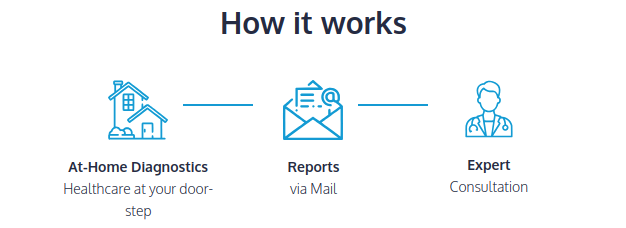
Total Health Comprehensive is a 66-parameter full body checkup available in Pune for ₹3,800, covering blood sugar, lipids, liver, kidney, thyroid, iron, electrolytes, inflammation, and hormone markers. Home sample collection with reports in 24-48 hours via NABL/CAP/ISO-certified labs. Ideal for adults wanting an in-depth annual health check beyond a basic screening.
The Total Health Comprehensive package evaluates multiple organ systems using one blood sample, making it easier to detect early metabolic changes before symptoms appear.
Preventive laboratory screening provides valuable baseline information that can help your physician recommend lifestyle modifications, additional investigations, or treatment when necessary.
According to the World Health Organization (WHO), strengthening preventive screening and early risk assessment plays an important role in reducing the global burden of chronic diseases through timely intervention.
Blood sugar disorders usually develop gradually and may remain undiagnosed for years because early diabetes and insulin resistance rarely cause obvious symptoms.
This package evaluates glucose regulation using three important biomarkers:
Fasting Blood Glucose
HbA1c
Fasting Insulin
According to the American Diabetes Association (ADA) Standards of Care in Diabetes—2026, HbA1c is an established laboratory test for diagnosing diabetes, identifying prediabetes, and monitoring long-term glycaemic control.
The ADA also recommends periodic HbA1c monitoring to evaluate treatment effectiveness and reduce the risk of diabetes-related complications.
Heart disease remains one of the leading causes of illness and death worldwide. Elevated cholesterol often develops silently, making routine lipid screening an essential component of preventive healthcare.
Assessing cholesterol levels before symptoms appear allows early lifestyle modifications that may significantly reduce cardiovascular risk.
The cardiovascular profile includes:
Total Cholesterol
HDL Cholesterol
LDL Cholesterol
VLDL Cholesterol
Triglycerides
Cholesterol/HDL Ratio
Triglycerides/HDL Ratio
According to the 2019 ACC/AHA Guideline on the Primary Prevention of Cardiovascular Disease, routine assessment of blood cholesterol and other cardiovascular risk factors is recommended to estimate a person's risk of atherosclerotic cardiovascular disease and guide preventive interventions.
The liver plays a central role in digestion, metabolism, detoxification, hormone regulation, and protein synthesis.
The liver function profile measures:
ALT (SGPT)
AST (SGOT)
Alkaline Phosphatase (ALP)
Total Bilirubin
Direct Bilirubin
Indirect Bilirubin
Albumin
Globulin
These investigations help detect liver inflammation, fatty liver disease, bile duct disorders, impaired protein production, and liver cell injury.
The American Association for the Study of Liver Diseases (AASLD) recommends appropriate laboratory evaluation as part of the clinical assessment of patients with suspected liver disease and abnormal liver function.
Healthy kidneys continuously remove waste products, regulate electrolytes, maintain fluid balance, and support blood pressure regulation.
Kidney disease frequently progresses without noticeable symptoms, making preventive screening particularly important for individuals with diabetes, hypertension, obesity, or cardiovascular disease.
This package evaluates kidney health using:
Creatinine
Blood Urea Nitrogen (BUN)
Uric Acid
According to the Kidney Disease: Improving Global Outcomes (KDIGO) Clinical Practice Guidelines, individuals at increased risk of chronic kidney disease should undergo routine assessment of kidney function to enable earlier diagnosis and management.
Electrolytes are essential minerals that regulate hydration, acid-base balance, muscle contraction, nerve signalling, and normal heart rhythm.
Even mild electrolyte disturbances may contribute to fatigue, dizziness, muscle weakness, confusion, or irregular heartbeat.
The electrolyte panel includes:
Sodium
Potassium
Chloride
Electrolyte measurement is an important component of comprehensive metabolic assessment because abnormalities may indicate underlying renal, endocrine, or gastrointestinal conditions that require medical evaluation.
The thyroid gland influences almost every organ system by regulating metabolism, energy production, body temperature, cardiovascular function, and hormonal balance.
The thyroid panel includes:
TSH
Free T3
Total T3
Free T4
Total T4
Testing multiple thyroid hormones provides a more comprehensive evaluation than measuring TSH alone when clinically indicated.
According to the American Thyroid Association (ATA), serum TSH remains the primary laboratory test for evaluating thyroid function. In contrast, Free T4 and additional thyroid hormone measurements may be appropriate depending on the patient's clinical presentation.
Hormones regulate numerous physiological functions, including metabolism, stress response, reproductive health, mood, muscle development, bone health, and energy production.
The hormone profile includes:
Testosterone
Cortisol (Morning)
Estradiol
Including hormone testing makes this package considerably more comprehensive than standard preventive health checkups.
Iron is essential for oxygen transport, energy production, immune function, and healthy red blood cell formation.
Iron deficiency frequently develops long before anaemia becomes apparent and may cause fatigue, weakness, poor concentration, headaches, brittle nails, or hair loss.
The iron profile includes:
Serum Iron
Ferritin
Total Iron Binding Capacity (TIBC)
Percentage Transferrin Saturation
The American Thyroid Association recognises that iron deficiency may influence thyroid hormone metabolism and recommends evaluating iron status in selected patients, particularly when thyroid disorders coexist with symptoms suggestive of iron deficiency.
Chronic inflammation has been associated with cardiovascular disease, diabetes, obesity, autoimmune disorders, and several chronic illnesses.
This package includes:
High-sensitivity CRP (hs-CRP)
C-Reactive Protein (CRP)
Homocysteine
Creatine Kinase (CK)
These biomarkers provide valuable information about inflammatory activity, cardiovascular risk, and muscle injury.
Adequate vitamin and mineral levels are necessary for healthy bones, immune function, nerve transmission, muscle contraction, metabolism, and red blood cell production.
The nutritional assessment includes:
Vitamin D
Vitamin B12
Folate (Vitamin B9)
Calcium
Phosphorous
Magnesium
According to the World Health Organization, micronutrient deficiencies continue to represent an important global public health challenge affecting populations across all age groups and contributing to adverse health outcomes.
The Complete Blood Count (CBC) is one of the most informative routine laboratory investigations and serves as the foundation of preventive health screening.
The CBC panel includes assessment of:
Red Blood Cells (RBC)
White Blood Cells (WBC)
Haemoglobin
Platelets
Haematocrit
Red blood cell indices
White blood cell differential count
CBC testing helps identify anaemia, infections, inflammatory conditions, allergic disorders, and certain blood disorders that may require further medical evaluation. Because of its broad clinical utility, it remains one of the most important investigations included in every comprehensive preventive health checkup.
Yes. In preventive healthcare, the terms complete body checkup, full body checkup, and comprehensive health checkup are generally used interchangeably to describe a broad-panel health screening that evaluates multiple organ systems through a single package of laboratory investigations.
The Total Health Comprehensive reflects this approach by offering an extensive assessment of overall health rather than focusing on one specific condition or organ.
Unlike a basic health package or a single-organ diagnostic test—which may assess only blood sugar, thyroid function, liver health, or cholesterol—a comprehensive full body checkup examines several important aspects of your health simultaneously.
This broader approach helps identify early signs of chronic diseases, nutritional deficiencies, hormonal imbalances, and organ dysfunction before noticeable symptoms develop.
The Total Health Comprehensive (66 Parameters) package provides a detailed evaluation across multiple health categories, including:
Blood glucose and insulin resistance
Lipid profile and cardiovascular risk markers
Liver function
Kidney function
Electrolytes
Thyroid function
Adrenal and sex hormones
Iron studies
Inflammation markers
Vitamins and minerals
Complete Blood Count (CBC)
The inclusion of advanced hormone testing, iron metabolism, inflammatory biomarkers, and nutritional assessment is what makes this package a truly comprehensive health screening.
Rather than requiring multiple separate tests, it offers a complete overview of metabolic, cardiovascular, endocrine, renal, hepatic, and nutritional health through a single blood sample, making it well suited for annual preventive screening and early disease detection.
Understanding exactly what is included in a health package helps patients compare value rather than price alone.
The ₹3,800 package combines advanced laboratory investigations with home sample collection and accredited laboratory processing, offering considerably broader coverage than entry-level health screening packages.
The Total Health Comprehensive (66 Parameters) is available in Pune for ₹3,800.
The package includes:
Home sample collection across Pune
66 comprehensive laboratory investigations
Testing through NABL, CAP, and ISO-accredited laboratories
Secure digital reports within 24–48 hours
Compared with basic preventive packages, this comprehensive checkup includes specialised hormone panels, iron studies, inflammatory biomarkers, and an extensive vitamin and mineral profile, providing a much broader assessment of metabolic and overall health.
Note: If a promotional discounted price (such as a strike-through MRP) is displayed on the website, confirm that pricing before publishing to ensure accuracy.
The cost of a full body health checkup depends largely on the number and complexity of laboratory investigations included.
These typically include around 20–30 parameters, such as:
CBC
Blood sugar
Basic lipid profile
Basic thyroid screening
They are suitable for routine health screening but provide limited diagnostic depth.
These generally add:
Liver function tests
Kidney function tests
Expanded lipid profile
Selected vitamin assessments
They offer a broader preventive evaluation than entry-level packages.
Comprehensive packages, including Total Health Comprehensive, typically include:
Hormone panels
Inflammation markers
Complete vitamin and mineral profile
Iron studies
Advanced metabolic assessment
This level of testing provides significantly greater clinical insight than basic screening packages.
Pricing also reflects:
NABL, CAP, and ISO laboratory accreditation
Home sample collection services
Quality assurance procedures
Report turnaround time
Breadth of laboratory testing
Preventive health screening is only as reliable as the quality of laboratory testing behind it.
MyDiagnostics combines accredited laboratory infrastructure with convenient home sample collection and standardised quality assurance processes to provide dependable diagnostic results.
Laboratory accreditation demonstrates compliance with recognised national and international quality standards for diagnostic testing. NABL, CAP, and ISO accreditation require rigorous quality management systems, equipment validation, personnel competency, and regular external quality assessment. Choosing accredited laboratories helps improve confidence in the accuracy and consistency of laboratory results.
Maintaining specimen quality throughout the testing process is essential for producing reliable laboratory results. MyDiagnostics follows multiple quality checkpoints beginning with sealed QR-coded sample collection, followed by laboratory verification and processing within accredited facilities. These procedures minimise pre-analytical errors and help preserve sample integrity.
Home sample collection makes preventive healthcare more accessible for busy professionals, older adults, and individuals with mobility limitations. Certified phlebotomists follow standard infection-control practices while using sterile, single-use collection equipment. Samples are transported under controlled conditions to maintain analytical quality until laboratory processing begins.
Timely reporting enables patients and physicians to make informed healthcare decisions without unnecessary delays. Digital reports can be securely accessed, downloaded, stored, and shared with healthcare providers for clinical interpretation. Electronic reporting also improves long-term health record management and follow-up care.
This package is suitable for:
Adults aged 18 years and above seeking annual preventive screening
Individuals with a family history of diabetes, hypertension, thyroid disease, or heart disease
People experiencing persistent fatigue, unexplained weight gain or loss, mood changes, reduced libido, or joint pain
Individuals wishing to assess hormone balance and nutritional status
People recovering from COVID-19 or other serious illnesses who require post-illness health monitoring
Working professionals seeking a comprehensive annual health assessment
Booking a preventive health checkup has been designed to be simple and completely digital.
From selecting an appointment to receiving laboratory reports, every stage is managed through a streamlined process that minimises disruption to daily routines. Certified healthcare professionals ensure quality sample collection while accredited laboratories perform all testing.
Appointments can be scheduled online by selecting the Total Health Comprehensive package and choosing a convenient date and time. Flexible booking options make preventive health screening accessible for working professionals and families. Once confirmed, a trained healthcare professional is assigned for home sample collection.
A certified phlebotomist visits your home in Pune using sterile, single-use equipment and a sealed QR-coded collection kit to maintain specimen traceability. Samples are collected following standard infection-control practices and transported under controlled conditions to accredited laboratories. This process offers convenience without compromising diagnostic quality.
After collection, samples undergo verification and quality assessment before laboratory analysis. Testing is performed in NABL, CAP, and ISO-accredited laboratories using validated analytical methods and strict quality control procedures. Digital reports are generally delivered within 24–48 hours and can be securely shared with your physician.
Proper preparation helps improve the accuracy of several laboratory investigations, particularly blood glucose, insulin, and lipid measurements.
For the most accurate laboratory results:
Fast for 10–12 hours before sample collection.
Drink only plain water during the fasting period unless advised otherwise by your doctor.
Avoid alcohol for 24–48 hours before testing.
Avoid strenuous exercise on the day before your blood sample is collected.
Continue prescription medications only as advised by your treating physician.


