Offer
Provide additional details about the offer you're running.
FLASHSALE


Time to read 19 min
Table of contents
The difference in chronological vs biological age comes down to two different ways of looking at aging. Chronological age is the number of years you have lived since birth, while biological age is an estimate of how your body is aging based on physiological, cellular, molecular, or other health-related markers. Your biological age may be higher or lower than your chronological age, reflecting differences in genetics, lifestyle, health conditions, environment, and other factors associated with aging.
Chronological age is the amount of time that has elapsed since a person’s birth, typically expressed in years, months, and days. It is a fixed, universal measure that increases at the same rate for everyone, regardless of health, lifestyle, fitness, or environment.
Chronological age is commonly used for legal and administrative purposes, such as identification, insurance, age-based eligibility, and determining when certain health screenings are recommended. Unlike biological age, it does not change according to how healthy or unhealthy a person is.
However, chronological age has an important limitation: it does not fully reflect an individual’s actual health status or disease risk. Two people of the same chronological age can have very different levels of cardiovascular health, metabolic health, physical fitness, or cellular aging.
Biological age, sometimes called physiological or functional age, reflects the cumulative effects of aging-related changes, including cellular and molecular damage and changes in how the body functions. Rather than simply counting years, it provides an estimate of how an individual’s health and aging patterns compare with those typically observed in people of the same chronological age.
Unlike chronological age, biological age is variable. A person’s biological age may be lower or higher than their chronological age, depending on factors such as genetics, physical activity, diet, sleep, stress, environmental exposures, and overall health.
Many of these influences are potentially modifiable, which means biological aging may be affected by lifestyle and health-related factors, whereas chronological age cannot be changed or slowed.
Chronological age and biological age measure different aspects of aging. When considering chronological age versus biological age, chronological age reflects the passage of time, while biological age is an estimate based on physiological, cellular, molecular, or other aging-related markers.
Fixed vs. variable: Chronological age is fixed and increases predictably with time. Biological age can be higher or lower than chronological age.
Calendar-based vs. biomarker-based: Chronological age is calculated from your date of birth. Biological age is estimated using health, physiological, cellular, molecular, or other aging-related biomarkers.
Cannot be changed vs. potentially influenced: Chronological age cannot be slowed or reversed. Biological aging may be influenced by factors such as physical activity, nutrition, sleep, stress, environmental exposures, genetics, and overall health.
Legal/administrative vs. health insight: Chronological age is used for identification, legal eligibility, insurance, and age-based medical recommendations. Biological age is primarily used to provide additional insight into health, aging patterns, and potentially longevity-related risk.
Example: Two people born in the same year may have the same chronological age but different biological ages. Differences in genetics, lifestyle, health conditions, physical fitness, and environmental exposures can contribute to these differences.
Aspect |
Chronological Age |
Biological Age |
|---|---|---|
Definition |
The amount of time that has passed since birth. |
An estimate of how old the body appears to be based on biological and health-related markers. |
What it measures |
Time elapsed since birth. |
Aging-related changes reflected in physiological, cellular, molecular, or other biomarkers. |
How it changes |
Increases predictably with each passing year. |
May be higher or lower than chronological age and can vary according to the method and markers used. |
What determines it |
Date of birth. |
Biomarkers, genetics, lifestyle, health conditions, environmental factors, and the specific calculation method. |
Primary use |
Legal, administrative, insurance, and age-based healthcare decisions. |
Research, health and aging assessment, and tracking biological-aging patterns. |
Neither measure provides a complete picture of health. Chronological age is an objective measure of time lived, while biological age is an estimate that depends on the biomarkers, algorithm, tissue, and reference population used. A biological-age result can provide additional information about aging-related patterns, but it should be interpreted alongside established health measures such as blood pressure, blood glucose, cholesterol, fitness, medical history, and other clinically relevant indicators.
There is no single universal test for biological age. Researchers use several approaches to estimate how an individual’s biological and chronological age may differ, ranging from laboratory-based biomarker analysis to consumer tests that can be completed at home. These methods assess different aspects of the aging process, so results may vary depending on the test used.
The main approaches to biological age estimation include epigenetic clocks, telomere length testing, clinical biomarker algorithms, and at-home commercial tests.
Epigenetic clocks estimate biological or epigenetic age by analyzing patterns of DNA methylation, a chemical modification in which methyl groups attach to specific areas of DNA and can influence gene activity. Certain DNA methylation patterns change systematically with age, allowing mathematical models to estimate an individual's DNA methylation age.
The Horvath clock, introduced by Steve Horvath in 2013, was developed using 353 CpG sites across multiple tissues and cell types. In its unbiased test-data assessment, the clock had a median absolute error of 3.6 years, meaning that the predicted DNA methylation age differed from chronological age by 3.6 years or less in 50% of the test subjects.
Other important DNA methylation measures include DNAm PhenoAge, developed by Levine et al., and DNAm GrimAge, developed by Lu et al. These measures were designed to capture different aging-related outcomes rather than simply reproduce chronological age.
In the original GrimAge study, GrimAge acceleration—the difference between DNAm GrimAge and chronological age—was associated with time-to-death after accounting for chronological age. The study also reported associations with time-to-coronary-heart-disease and time-to-cancer.
DunedinPACE is different from a conventional age clock: it estimates the pace of biological aging rather than simply estimating how old a person is. Belsky et al. developed DunedinPACE using DNA methylation data to capture variation in the rate of aging-related decline.
Because these measures use different biomarkers, algorithms, and outcomes, their results should not be treated as directly interchangeable.
Telomeres are protective DNA-protein structures at the ends of chromosomes. They generally become shorter as cells divide, although the rate of shortening varies between individuals and cell types.
Telomere length has been studied as a marker of cellular aging and health. However, shorter telomeres are associated with aging and certain health risks but do not provide a precise measure of an individual’s overall biological age. Telomere length can also be influenced by genetics, lifestyle, environmental exposures, and other biological factors.
Another approach to biological-age estimation is to combine routinely measured clinical biomarkers into mathematical models. Two established approaches include the Levine Phenotypic Age model and the Klemera-Doubal method (KDM).
The Levine Phenotypic Age model was developed using clinical biomarkers associated with mortality risk. Its calculation incorporates chronological age and nine biomarkers:
Albumin
Creatinine
Glucose
C-reactive protein (CRP)
Lymphocyte percentage
Mean cell volume (MCV)
Red cell distribution width (RDW)
Alkaline phosphatase (ALP)
White blood cell count (WBC)
Levine et al. used these measures to develop a composite Phenotypic Age measure and subsequently developed DNAm PhenoAge using DNA methylation data.
The Klemera-Doubal method (KDM) is another statistical approach for estimating biological age from multiple biomarkers. Unlike Phenotypic Age, the exact biomarker panel can vary depending on the implementation and reference population.
These approaches can provide information about physiological aging, but their results should not be treated as interchangeable because different algorithms measure different aspects of aging.
The growing interest in chronological vs biological age has led to a range of direct-to-consumer testing options. Depending on the provider, these may include blood-based kits, saliva or DNA methylation tests, and wearable-based estimates that use measures such as activity, sleep, heart rate, or other physiological data.
These tests can be useful for monitoring changes or tracking trends over time, but there are important limitations. Costs can range from relatively affordable kits to several hundred dollars, and results may differ between tests, laboratories, and algorithms. There is also no universally accepted standard for commercial biological-age testing, so these products should not be treated as definitive medical diagnoses.
For this reason, understanding the difference between biological and chronological age is important: a biological-age result can provide an additional perspective on healthy aging, but it should be interpreted alongside established clinical measures and a person’s overall health rather than used as a standalone diagnosis.
If you want to explore biological-age testing, MyDiagnostics offers the Biological Age Test – Gold Standard DNA Methylation, which uses DNA methylation-based markers to estimate biological age. The result can be considered alongside chronological age and other established health indicators. As with other biological-age tests, it should be viewed as an additional health-tracking measure rather than a standalone medical diagnosis.
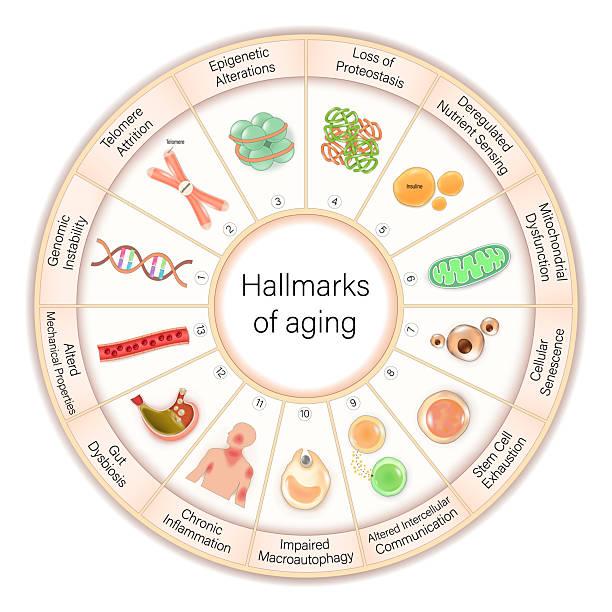
Your chronological age tells you how many years you have lived, but it does not necessarily show how quickly your body is aging. People with the same chronological age can have very different levels of physical, metabolic, and cellular health.
Several research studies have found that specific biological-age measures can provide additional information about aging-related outcomes beyond chronological age in particular study populations.
A biological age that is higher than expected for your chronological age may be associated with a greater risk of age-related health problems, including:
Heart disease and cardiovascular problems
Type 2 diabetes and metabolic disease
Dementia and Alzheimer’s disease
Certain types of cancer
Earlier development of other chronic conditions
However, biological age is not a diagnosis or a prediction that you will develop a particular disease. It is better understood as an indicator of biological aging and health risk.
This is where biological age differs from chronological age.
Chronological age cannot be changed. Everyone gains another year with each passing year.
Biological aging may be influenced. Factors such as physical activity, nutrition, sleep, smoking, alcohol use, body composition, metabolic health, and other lifestyle factors can affect biological-aging markers.
A higher biological age may highlight areas to improve. For example, improving fitness, metabolic health, sleep, or other risk factors may support healthier aging.
Researchers are still studying whether lowering a biological-age score directly leads to longer life or prevents disease. The goal is not simply to make a biological-age number smaller, but to support healthier functioning and reduce age-related health risks.
Because biological age may reflect differences in the rate of the aging process, it has become an important area of research in longevity medicine. It can help researchers study healthy aging and evaluate whether lifestyle or medical interventions may influence biological aging.
In simple terms: chronological age tells you how long you have lived; biological age may give clues about how your body is aging.
Biological age is influenced by a combination of genetics, lifestyle, environment, and overall health. Some factors are outside our control, while others can potentially be changed to support healthier aging.
Key Factors That Influence Biological Age
Genetics and family history: Your genes can influence your baseline aging patterns, disease susceptibility, metabolism, and how your body responds to environmental and lifestyle factors. Genetics cannot be changed, but their effects can sometimes be influenced by lifestyle.
Diet and nutrition: A balanced diet rich in vegetables, fruits, whole grains, legumes, healthy fats, and adequate protein can support metabolic health and normal cellular function. Diets high in highly processed foods, added sugars, and excess calories may contribute to poorer metabolic health.
Physical activity: Regular exercise supports cardiovascular fitness, muscle strength, metabolic health, and healthy body composition. In contrast, prolonged physical inactivity and a sedentary lifestyle are associated with several age-related health risks.
Sleep quality and duration: Consistently getting adequate, good-quality sleep supports immune, metabolic, cardiovascular, and brain health. Poor or insufficient sleep may contribute to processes associated with unhealthy aging.
Chronic stress: Long-term psychological stress can affect sleep, hormones, inflammation, blood pressure, and metabolic health. Persistent stress may therefore contribute to biological changes associated with accelerated aging.
Smoking and alcohol use: Smoking exposes the body to chemicals that can damage cells and increase the risk of cardiovascular disease, cancer, and other chronic conditions. Excessive alcohol consumption can also negatively affect multiple organs and overall health.
Environmental toxin exposure: Long-term exposure to air pollution, certain chemicals, heavy metals, and other environmental pollutants may contribute to oxidative stress, inflammation, and cellular damage.
Existing health conditions: Conditions such as obesity, diabetes, cardiovascular disease, chronic kidney disease, and other long-term illnesses can affect biological processes associated with aging and may influence biological-age measurements.
Imagine two people who are both 40 years old chronologically:
Person A is physically inactive, smokes, sleeps poorly, experiences chronic stress, and has poor metabolic health.
Person B exercises regularly, does not smoke, eats a balanced diet, sleeps well, and maintains good cardiovascular and metabolic health.
They have the same chronological age, but their health profiles and biological-aging markers may be quite different. This illustrates why chronological and biological age do not always match.
Importantly, biological age is influenced by many interacting factors, so no single lifestyle habit determines whether someone is biologically “older” or “younger.” Genetics, environment, health conditions, and long-term behaviors all contribute to the aging process.
Evidence from lifestyle and aging research indicates that several factors associated with biological aging are potentially modifiable, although changes in a biological-age score do not necessarily translate into longer lifespan.
The goal should therefore be slowing unhealthy aging and improving overall health, rather than chasing a lower biological-age number.
A Mediterranean-style eating pattern emphasizes vegetables, fruits, whole grains, legumes, nuts, seeds, fish, and healthy fats such as olive oil. It is associated with better cardiovascular and metabolic health.
Try to limit ultra-processed foods, excess calories, and high amounts of added sugar, particularly when they displace nutrient-rich whole foods.
Regular exercise is one of the most consistently supported strategies for healthy aging.
Aim for:
150–300 minutes of moderate-intensity aerobic activity per week, or 75–150 minutes of vigorous-intensity aerobic activity, or an equivalent combination.
Regular muscle-strengthening activity involving major muscle groups on at least 2 days per week.
Less prolonged sitting and more movement throughout the day.
Exercise supports cardiovascular fitness, muscle mass, insulin sensitivity, bone health, and overall physical function.
Most adults should aim for 7–9 hours of sleep each night and maintain a reasonably consistent sleep schedule.
Good sleep supports metabolic, cardiovascular, immune, and brain health. If sleep problems are persistent, addressing the underlying cause is more useful than simply trying to increase the number of hours in bed.
Long-term stress can affect sleep, blood pressure, metabolism, and overall well-being. Regular stress-management practices may help support healthier aging.
Useful options include:
Meditation or mindfulness
Yoga
Breathing exercises
Regular physical activity
Spending time outdoors or engaging in relaxing activities
Quitting smoking is one of the most important steps for reducing long-term health risks. Smoking contributes to cardiovascular disease, cancer, lung disease, and premature death.
For alcohol, less is generally better for health. People who drink should follow current low-risk guidance, and those who do not drink do not need to start for health benefits.
You cannot eliminate every environmental exposure, but practical steps can reduce some avoidable risks. Depending on your circumstances, these may include reducing exposure to tobacco smoke and indoor air pollution, improving ventilation, using appropriate protective equipment around workplace chemicals, and following food and water safety recommendations.
The growing interest in biological age has also created a market for products that promise to reverse biological aging. These claims should be approached carefully.
There are currently no FDA-approved drugs specifically indicated to reverse or stop human aging.
A supplement, injection, therapy, or commercial test that claims to make you biologically younger does not necessarily have evidence showing that it extends healthy lifespan.
Changes in a biological-age test result do not automatically mean that a person has become healthier or will live longer.
Supplements and treatments marketed as “biological-age reversers” should be evaluated based on high-quality human clinical evidence, not testimonials or before-and-after numbers.
A biological age test can be interesting if you want to understand how your biological and chronological age compare, but it is not necessary for everyone. These tests are best viewed as an additional health-tracking tool rather than a definitive measure of how well or poorly you are aging.
For people interested in tracking their biological age, a test such as the one offered by Mydiagnostics can provide a measurable starting point. The result can then be considered alongside established health indicators such as blood pressure, blood glucose, cholesterol, fitness, sleep, body composition, and medical history.
The goal should not be to achieve a particular “younger” number. Instead, biological-age testing can be used as one additional data point when monitoring lifestyle and health changes over time.
A biological age test may be useful for people who:
Want to track changes in biological-aging markers over time
Are making lifestyle changes and want another metric to monitor alongside weight, fitness, blood pressure, or metabolic health
Have a strong interest in healthy aging or longevity
Want to explore how their biological-age estimate compares with their chronological age
For meaningful tracking, it is generally more useful to use the same test, laboratory, and methodology over time, rather than comparing results from completely different providers.
Biological-age testing is still an emerging area of science, and there are important limitations:
It is not a medical diagnosis. A biological-age score cannot diagnose cancer, diabetes, heart disease, or another specific condition.
Results can vary. Different tests use different biomarkers, algorithms, samples, and reference populations, so two tests may produce different biological-age estimates.
There is no single standard biological-age test. A result from one type of epigenetic clock, for example, should not automatically be compared with a result from a different method.
A changing score does not necessarily mean changing health. Researchers are still studying how changes in biological-age measures translate into meaningful improvements in disease risk or lifespan.
Think of your biological-age result as a trend indicator, not a medical verdict.
If your score is higher than your chronological age, it does not mean that you are destined to develop a disease or that your health cannot improve. Similarly, a younger biological-age result does not guarantee excellent health or protection from disease.
The most useful approach is to consider the result alongside established health measures such as blood pressure, blood glucose, cholesterol, fitness, body composition, sleep, and medical history.
If a result concerns you or if it identifies a potential health issue discuss it with a qualified healthcare professional rather than relying on the biological-age score alone.
Chronological age and biological age serve different purposes. Your chronological age is fixed and remains important for legal, administrative, and age-based healthcare decisions. Biological age, on the other hand, may provide additional insight into how your body is aging and your overall health and longevity.
If your goal is healthy aging, it makes more sense to focus on the factors that can influence biological aging rather than trying to change your chronological age.
You do not need to chase a younger biological-age score or rely on a single test or product. Instead, focus on small, consistent habits that support long-term health:
Eat a balanced, nutrient-rich diet.
Stay physically active and maintain muscle strength.
Get enough quality sleep.
Manage chronic stress.
Avoid smoking and limit alcohol.
Keep important health markers such as blood pressure, blood glucose, and cholesterol under control.
Your chronological age will continue to increase, but the way you age is influenced by many factors. Consistent healthy habits are likely to matter far more for long-term health than any single biological-age test, supplement, or “anti-aging” product.
If you are curious about how your biological age compares with your chronological age, MyDiagnostics Biological Age Test – Gold Standard DNA Methylation can provide an additional perspective on DNA methylation-based aging markers. The result should be considered alongside established health measures and your broader health profile rather than used as a standalone diagnosis.
Biological age often refers to estimates based on cellular, molecular, or health biomarkers, while physiological age may focus more broadly on how well the body's systems function. Chronological age is the number of years you have lived since birth, while biological age estimates how your body is aging based on health, physiological, cellular, or molecular markers. Chronological age is fixed; biological age can be higher or lower than it.
Yes. Your biological age can be lower than your chronological age. Healthy lifestyle habits, good metabolic health, regular exercise, adequate sleep, and other factors may be associated with healthier biological-aging markers.
Biological age can be estimated using different methods, including DNA methylation tests, telomere length testing, and clinical biomarker algorithms . There is no single universally accepted formula or test for calculating biological age.
There is no single biological-age test proven to be the most accurate for everyone. Different methods measure different aspects of aging and use different biomarkers, algorithms, tissues, and reference populations. DNA methylation-based measures such as the Horvath clock, DNAm PhenoAge, GrimAge, and DunedinPACE are among the extensively studied approaches, but their results are not directly interchangeable.
You cannot reverse chronological age, but some biological-aging markers may improve with healthier lifestyle changes. Regular exercise, a balanced diet, adequate sleep, avoiding smoking, and managing metabolic health may support healthier aging. Whether lowering a biological-age score directly extends lifespan remains under study.
Biological age may provide information about life expectancy and mortality risk beyond chronological age in some research studies. However, a biological-age score cannot predict exactly how long an individual will live and should not be treated as a personal life-expectancy calculation.
Smoking, physical inactivity, poor diet, inadequate sleep, chronic stress, excessive alcohol use, and poor metabolic health are associated with accelerated biological aging. Long-term exposure to these factors can contribute to changes linked with age-related disease.
At-home biological-age tests can provide useful estimates, but their accuracy varies by test, laboratory, biomarkers, and calculation method. They are not standardized medical diagnostics, so results are best used to track trends rather than as a definitive measure of health.
There is no specific age at which everyone should start tracking biological age. Adults interested in healthy aging can use it as an additional tracking tool, but established measures such as blood pressure, cholesterol, blood glucose, fitness, sleep, and medical history remain more important for routine health monitoring.
1. Horvath S. DNA methylation age of human tissues and cell types. Genome Biology. 2013;14:R115. doi:10.1186/gb-2013-14-10-r115.
2. Levine ME, Lu AT, Quach A, et al. An epigenetic biomarker of aging for lifespan and healthspan. Aging (Albany NY).2018;10(4):573–591. doi:10.18632/aging.101414.
3. Lu AT, Quach A, Wilson JG, et al. DNA methylation GrimAge strongly predicts lifespan and healthspan. Aging (Albany NY). 2019;11(2):303–327. doi:10.18632/aging.101120.
4. Belsky DW, Caspi A, Corcoran DL, et al. DunedinPACE, a DNA methylation biomarker of the pace of aging. eLife. 2022;11:e73420. doi:10.7554/eLife.73420.
5. World Health Organization. WHO Guidelines on Physical Activity and Sedentary Behaviour. 2020. ISBN: 978-92-4-001512-8.
Medical Disclaimer: This content is for informational purposes only and is not a substitute for professional medical advice, diagnosis, or treatment. Biological-age tests provide estimates and should not be used to diagnose disease or predict individual health outcomes. Consult a qualified healthcare professional for personalized medical guidance.


