Offer
Provide additional details about the offer you're running.
FLASHSALE


Time to read 13 min
Table of contents
Epigenetic age testing and telomere length testing measure different aspects of biological aging. A DNA methylation-based biological age test can assess age-related molecular patterns and, depending on the clock used, estimate biological age, aging pace, or health-related aging measures. Telomere testing focuses on chromosome-end length, so neither test alone provides a complete measure of biological age, health, or lifespan.
DNA methylation testing estimates your true biological age by analyzing chemical changes, called methylation, that occur at specific sites on your DNA. These patterns change with age and can be analyzed using mathematical models known as epigenetic clocks.
Some commonly used clocks include:
Horvath Clock: Primarily estimates chronological age from DNA methylation patterns across different tissues. Horvath S. DNA methylation age of human tissues and cell types. Genome Biology, 2013.
Hannum Clock: Estimates chronological age using DNA methylation patterns developed primarily from blood samples. Hannum G et al. Hannum G et al. Genome-wide methylation profiles reveal quantitative views of human aging rates. Molecular Cell. 2013.
PhenoAge: Estimates biological age using methylation patterns associated with physiological health and aging-related outcomes. Levine ME et al. An epigenetic biomarker of aging for lifespan and healthspan. Aging, 2018.
GrimAge: Uses methylation patterns linked to smoking exposure and certain proteins to estimate mortality-related risk. Lu AT et al. DNA methylation GrimAge strongly predicts lifespan and healthspan. Aging, 2019.
DunedinPACE: Estimates the pace of biological aging, indicating whether aging-related changes are occurring faster or slower than the reference population. Belsky DW et al. DunedinPACE, a DNA methylation biomarker of the pace of aging. eLife, 2022.
Depending on the test, a blood or saliva sample is collected and sent to a laboratory. DNA is extracted from the sample and analyzed for methylation patterns at selected sites. These results are then processed using a specific epigenetic-clock algorithm to generate an estimated biological age, age-acceleration measure, or pace-of-aging score.
For example, if you are 40 years old chronologically but your test estimates an epigenetic age of 43, it suggests that your measured methylation patterns are more consistent with those observed in an older reference group. It does not mean that you are literally three years older or that you will develop a particular disease.
DNA methylation clocks have been studied extensively and have shown associations with mortality and several age-related health outcomes. However, results depend on the specific clock, sample, laboratory, and algorithm used and should not be treated as a medical diagnosis.
If you are considering a biological-age assessment, MyDiagnostics offers a DNA methylation-based Biological Age Testthat can help you explore biological aging through epigenetic tests.
|
Clock |
Generation |
Training target |
Output |
Best use |
Longevity tracking fit |
|---|---|---|---|---|---|
|
Horvath |
First generation |
Chronological age |
DNAm age |
Multi-tissue age estimation |
Useful for longitudinal research; not specifically designed as a mortality predictor |
|
Hannum |
First generation |
Chronological age, primarily in blood |
DNAm age |
Blood-based epigenetic age estimation |
Useful for tracking DNAm age over time |
|
PhenoAge |
Second generation |
Phenotypic age / health-related aging |
DNAm PhenoAge |
Studying physiological aging and health outcomes |
Relevant to healthspan and longevity research |
|
GrimAge |
Second generation |
Mortality-related risk using DNAm surrogates |
GrimAge / age acceleration |
Mortality and healthspan research |
Relevant to longevity-related research |
|
DunedinPACE |
Next-generation |
Longitudinal change in 19 indicators of organ-system integrity |
Pace-of-aging score |
Studying the rate of biological aging |
Particularly relevant for tracking aging pace over time |
Scientific basis for the table: Horvath developed a multi-tissue DNAm age predictor using 8,000 samples from 82 datasets; Hannum's model used more than 450,000 CpG markers in whole blood from 656 individuals; PhenoAge was trained against phenotypic age; GrimAge incorporated DNAm surrogates for smoking and selected plasma proteins; and DunedinPACE was developed from longitudinal changes in 19 indicators of organ-system integrity.
Telomere testing measures the length of telomeres, protective DNA sequences at the ends of chromosomes that generally shorten as cells divide and age. It is used as one potential indicator of the cellular aging process.
The test usually involves a blood sample, which is analyzed using methods such as qPCR or Flow-FISH to estimate telomere length.
The result is typically reported as relative telomere length and compared with an age-matched reference population. However, telomere length can vary considerably between individuals and testing laboratories, so it should not be interpreted as a definitive measure of biological age or lifespan.
DNA methylation and telomere testing measure different biological features of aging. DNA methylation testing examines chemical changes in DNA that can be used by epigenetic clocks to estimate biological age, while telomere testing measures the length of protective DNA-protein structures at chromosome ends.
Both methods have been studied as biomarkers of biological aging, but their scientific applications differ. Epigenetic clocks have been developed for different purposes, including chronological-age estimation, phenotypic aging, mortality-related outcomes, and the pace of biological aging.
Telomere length is also associated with aging and health outcomes, but the relationship with chronological age is generally modest and can vary according to tissue type and the method used to measure telomeres.
A 2023 systematic review and meta-analysis published in Ageing Research Reviews analyzed 414 study samples comprising 743,019 individuals. The pooled corrected correlation between telomere length and chronological age was −0.19 (95% CI −0.22 to −0.15) in cross-sectional samples. The study also found that telomere measurement methods and tissue types affected the observed relationship.
DNA methylation and telomere testing measure different biological markers:
Feature |
DNA Methylation Testing |
Telomere Testing |
|---|---|---|
What it measures |
DNA methylation patterns at specific sites across the genome |
Length of telomeres at chromosome ends |
Main concept |
Epigenetic regulation and biological aging |
Chromosome-end protection and cellular aging |
Common output |
Epigenetic/biological age or aging rate |
Telomere length, often compared with age-based reference ranges |
What it can indicate |
Patterns associated with aging, health and disease risk |
One aspect of cellular aging and replicative history |
Key limitation |
Results depend on the clock, tissue and algorithm used |
Results are influenced by measurement method, tissue and biological variability |
The distinction matters because neither test provides a complete measure of how “old” or healthy a person is. They capture different biological processes and should be interpreted as biomarkers rather than definitive diagnoses.
|
Feature |
|
|---|---|
|
Price |
₹45,000 currently listed |
|
Sample type |
Blood |
|
Sample collection |
At home |
|
Turnaround time |
7–10 days |
|
Fasting |
None |
|
Key markers reported |
Biological Age, Pace of Ageing (Dunedin/DunedinPACE), Telomere Length, Mitotic Clock, Immune Cells Functioning, Organ Systems Age, Smoking Risk, Alcohol Consumption Risk and Weight Loss Response |
|
Organ-system measures listed |
Lung, Heart, Brain, Hormone, Metabolic, Musculoskeletal, Blood, Liver, Inflammation, Kidney and Immune System Age |
DNA methylation patterns can change in association with environmental and lifestyle factors, making some methylation-based aging measures potentially useful for monitoring biological changes over time. However, results vary between studies and different epigenetic clocks.
A 2022 systematic review and meta-analysistitled Effect of a lifestyle intervention on telomere length: A systematic review and meta-analysis included 20 studies with 2,995 participants; 19 studies were included in the meta-analysis. The review found that physical activity with or without dietary intervention was associated with increased telomere length compared with controls, although the magnitude and interpretation of these effects depend on the intervention and measurement method.
A 2020 systematic review and meta-analysis by Ryan et al., which identified 61 studies, examined environmental, lifestyle and health factors associated with the Horvath and Hannum DNA methylation clocks. The review found associations between some factors, including BMI, and DNA methylation age, while results varied across factors and clocks.
In practical terms, DNA methylation-based measures may be useful for studying biological-aging changes over time, while telomere length is generally a slower-changing and more variable biomarker. Neither test should be used alone to determine whether a lifestyle intervention has “reversed” aging.
The choice between DNA methylation and telomere testing depends on what you want to learn. DNA methylation testing provides a broader view of biological aging, while telomere testing focuses specifically on telomere length, one component of cellular aging.
If your primary interest is understanding biological aging through DNA methylation, the MyDiagnostics Biological Age Test provides DNA methylation-based biological age along with additional aging-related markers.
DNA methylation testing may be relevant if you want to assess epigenetic age, aging pace or other aging-related measures, depending on the clock used.
Epigenetic clocks can analyze patterns at multiple DNA methylation sites and, depending on the clock used, provide information related to chronological age, biological age, healthspan or aging rate. Newer clocks such as PhenoAge, GrimAge and DunedinPACE have been developed to capture aspects of aging beyond simple chronological-age prediction.
Some research also suggests that certain DNA methylation-based measures can change following lifestyle or other interventions, making them useful research tools for monitoring biological changes over time. However, they are not yet established as definitive clinical measures of “age reversal.”
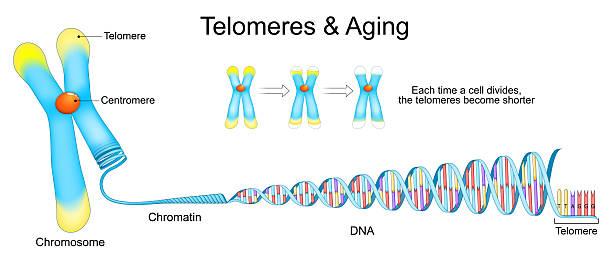
Telomere testing may be relevant if your primary interest is telomere length and chromosome-end biology rather than a broader biological-age assessment.
The 2023 Ageing Research Reviews systematic review and meta-analysis of 414 study samples and 743,019 individuals found a pooled corrected correlation of −0.19 between telomere length and chronological age in cross-sectional samples. The study also found that tissue type and measurement method influenced the relationship.
Cost and accessibility can vary substantially between laboratories, so the choice should not be based on price alone. If cost is an important factor, compare the laboratory method, sample type, reporting details and what the test actually measures.
Doing both tests can provide complementary information rather than simply giving a more accurate single measure of biological age.
DNA methylation testing examines epigenetic patterns associated with aging, while telomere testing measures chromosome-end length. Because these biomarkers reflect different biological processes, using both may provide a broader picture of aging biology than either test alone.
However, there is no established rule that combining the two produces a definitive or clinically superior “biological age” score.
Some biological-age assessments may include multiple aging-related markers alongside DNA methylation. The MyDiagnostics Biological Age Test currently lists both DNA methylation-based Biological Age and Telomere Length, along with DunedinPACE and additional aging-related markers.
Preparation requirements depend on the type of biological age test and the laboratory performing it. Always follow the laboratory's specific collection instructions, as fasting and sample-timing requirements are not universal.
For the current MyDiagnostics Biological Age Test, the product page states that fasting is not required. It also advises avoiding alcohol for 24–48 hours before the test.
For the most consistent results:
Stay adequately hydrated unless your laboratory has given you different instructions.
Follow the laboratory's sample-collection instructions.
If you are undergoing repeated testing, try to use the same laboratory, sample type and testing method each time.
Follow any additional instructions provided by the laboratory.
Biological age biomarkers can be influenced by more than chronological age. Acute illness, inflammation and changes in immune-cell composition can affect some measurements, particularly blood-based biomarkers. Telomere measurements can also vary depending on the type of sample and laboratory method used.
Stress and lifestyle factors are also associated with DNA-methylation patterns in research, but a single stressful day should not automatically be assumed to cause a clinically meaningful change in an individual's biological-age result. DNA methylation is influenced by multiple biological and environmental factors, and different epigenetic clocks can respond differently.
For the most meaningful comparison over time, test under reasonably similar conditions and interpret the result in the context of the specific test, sample type and methodology used.
Biological age testing is an evolving field, and results should be interpreted with caution. There is currently no single standardized test that provides a definitive measure of an individual's biological age.
Different biological-age tests may use different biomarkers, laboratory methods, DNA methylation sites, algorithms and reference populations.
Even when two tests are based on DNA methylation, they may use different epigenetic clocks and produce different estimates.
There is currently no universally accepted gold-standard epigenetic clock for measuring biological age at the individual level.
The regulatory status of a biological-age test depends on the specific test and its intended use.
The U.S. FDA states that some direct-to-consumer tests are reviewed by the FDA while others are not. In general, direct-to-consumer tests intended for non-medical, general-wellness or low-risk medical purposes are not reviewed by the FDA before being offered, while moderate- to high-risk medical tests are generally reviewed to assess the validity of their claims.
The FDA also explains that its review considers analytical validity, clinical validity and the claims made about a test.
Therefore, the regulatory status of an individual biological-age test should be considered separately from the scientific evidence supporting the biomarker or algorithm it uses.
These FDA statements concern U.S. regulatory pathways and should not be interpreted as describing the regulatory status of biological-age tests in India.
Two biological-age tests taken around the same time can produce different results for several reasons:
Different algorithms: Each epigenetic clock may use a different set of DNA methylation markers and statistical model.
Different sample types: Blood, saliva and cheek-cell samples contain different cell populations and may not produce identical measurements.
Laboratory and processing differences: Sample handling, DNA extraction, methylation measurement and computational processing can introduce variation.
Different reference populations: A test may compare your result with a different population dataset or age distribution.
Biological variation: Factors such as illness, inflammation and changes in cell composition can influence some biomarkers.
Measurement error: Every laboratory measurement has some degree of technical variability.
As a result, a biological-age number should not be treated like a fixed clinical measurement such as body temperature or blood glucose.
For meaningful comparisons over time, it is generally preferable to use the same laboratory, sample type, testing method and biological-age algorithm, while interpreting changes within the limitations of that specific test.
DNA methylation and telomere length measurement offer different perspectives on biological aging. DNA methylation testing can provide measures of epigenetic age, biological age or aging pace depending on the clock used, while telomere testing focuses specifically on chromosome-end length.
Neither test should be interpreted as a definitive prediction of lifespan or a diagnosis of disease. Results are best understood in the context of the specific testing method, laboratory, algorithm and overall health profile.
The current MyDiagnostics Biological Age Test includes Biological Age, Pace of Ageing (Dunedin), Telomere Length, Mitotic Clock, Immune Cells Functioning, Organ Systems Age and other listed aging-related markers. The product page specifies a blood sample, at-home collection and a 7–10-day turnaround time.
Neither is universally “more accurate” because they measure different biological features. DNA methylation clocks can estimate different aspects of biological aging depending on the algorithm, while telomere testing measures telomere length. The appropriate test depends on the biological question being assessed.
Epigenetic age is estimated from DNA methylation patterns at specific sites across the genome. Telomere age refers to an interpretation of telomere length in relation to age-based reference values. They measure different biological processes, so their results may not always agree.
Yes. Biological age tests can produce variable results because of differences in testing methods, algorithms, sample types, laboratory processing and reference populations. Temporary biological factors may also influence some biomarkers. A biological-age result should be interpreted as an estimate, not a definitive diagnosis.
The cost of testing varies by laboratory, methodology and the number of biomarkers included. The current MyDiagnostics Biological Age Test is listed at ₹45,000 and uses a blood sample with at-home collection and a stated turnaround time of 7–10 days.
Yes. You can use both tests to obtain complementary information about biological aging. DNA methylation testing evaluates epigenetic aging-related patterns, while telomere testing measures chromosome-end length. However, the results should not automatically be combined into a single definitive biological-age score.
There is no universally established interval for biological-age retesting. If you are tracking changes over time, consistency in the laboratory, sample type, testing method and algorithm is important. The appropriate retesting interval depends on the specific test and the purpose of testing.
There is no single biological age test that is universally considered the best. DNA methylation tests and telomere tests measure different biological features, and the appropriate option depends on what you want to assess.
No biological age test provides a definitive measure of biological age. DNA methylation clocks can assess different aspects of aging depending on the model used, while telomere testing measures telomere length. Results should be interpreted in the context of the specific test and methodology.
Medical Disclaimer: Biological-age testing provides estimates based on specific biomarkers and should not be used to diagnose disease or predict individual lifespan. Results should be interpreted alongside clinical history and other health information by a qualified healthcare professional when appropriate.


