Offer
Provide additional details about the offer you're running.
FLASHSALE


Time to read 7 min
Table of contents
While food allergies were once considered a "Western" problem, they are now a growing public health crisis in urban India. Cleaner homes and better technology are ironically making Indian immune systems more sensitive. Increasing diagnostic uptake and reported cases suggest a rising burden of food allergies in India. Modern living has altered immune activity, making IgE-mediated food allergies more common.
The rise of food allergies in India is driven by a convergence of environmental, dietary, and lifestyle changes. Rising pollution, chemical exposure, and microbial diversity interrupt immune tolerance and encourage Th2/IgE-skewed responses. Large-scale Indian air quality assessments estimate that a majority of the population is exposed to PM2.5 levels exceeding national standards.
Consumption of ultra-processed foods, additives, refined oils, and changed protein structures and weaning practices increases the risk of food allergies. Lifestyle factors such as frequent use of antibiotics, urbanization, excess hygiene, and reduced outdoor exposure weaken gut microbiome development, impairing immune regulation.
The rise of food allergies in India is linked to urbanization, air pollution, reduced microbial exposure, antibiotic overuse, and a shift toward ultra-processed foods — all of which affect immune tolerance and gut health. At MyDiagnostics, rising food allergies in India are evaluated through region-specific IgE testing and clinical correlation.
The rise of food allergies in urban areas in India shows how modern urban living changes immune activity. Children in a traditional setting often have lower allergy rates compared to those in high-rise apartments in Delhi, Mumbai, or Bangalore.
Children living in a traditional rural setting are exposed to various microbes, soil bacteria, and natural foods. This helps their immune systems develop tolerance to allergens. On the other hand, children living in urban cities have more sanitized environments, less microbial exposure, and processed-foods-rich diets, increasing IgE-mediated sensitization.
Pollution compromises the natural defenses of the body, tipping the immune system toward allergic reactions.
Fine particulate matter, including PM2.5 and PM10, breaches deep into the lungs and activates immune cells. It promotes a Th2-dominant response, keeping the immune system in a state of heightened sensitivity, making it susceptible to release IgE antibodies against normal food proteins.
Studies have shown that burning a single mosquito coil can generate particulate matter comparable to heavy indoor particulate exposure in enclosed spaces. It damages the delicate respiratory and immune lining of infants, harming epithelial barriers, making them leaky, which increases allergen penetration. As a result, it primes the immune system for food sensitization and food allergies.
Over-sanitized urban living may backfire, making the immune system unprepared to distinguish safe foods and real threats. In urban settings, the lack of exposure to "old friends" (diverse soil microbes and farm animals) prevents the immune system from learning how to ignore harmless proteins.
The immune system fails to develop tolerance without these exposures, making the immune system more likely to produce IgE antibodies against harmless foods. Moreover, children in larger families or those with early daycare exposure tend to have fewer food allergies.
This early immune education helps the body recognize harmless antigens, contributing to lower rates of food allergies as compared to children living in ultra-clean environments.
Modern diet and antibiotic practices modify gut health, inclining the immune system toward allergy development.
A significant shift from traditional homemade meals to ultra-processed foods exposes children to emulsifiers, preservatives, and refined flours. These ingredients disrupt the gut barrier integrity and weaken the gut lining.
As a result, the food particles enter the bloodstream, increasing the risk of IgE sensitization and IgE-mediated food allergies.
Frequent antibiotic cycles in early childhood wipe out the gut bacteria required for food tolerance. Antibiotic overuse can harm beneficial gut bacteria, impairing the role of the microbiome in training immune tolerance.
Without these protective microbes, the immune system is more susceptible to react inappropriately to harmless foods, causing allergic responses.
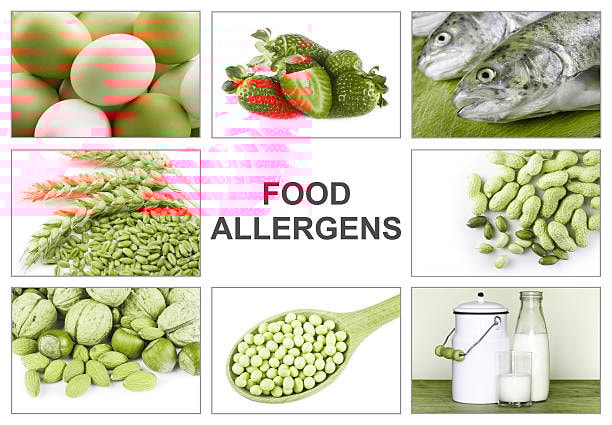
While globally, there are Big 8 allergens, including peanuts, tree nuts, eggs, wheat, soy, fish, and shellfish. Indian dietary patterns introduce additional region-specific triggers. In India, local foods and traditional spices create a unique allergy landscape requiring tailored testing and managing strategies.
The hidden allergens in Indian cuisine (street and packaged) carry a significant risk. This emphasizes the requirement of awareness, testing, and conscious food choices.
Street food, small bakeries, and local eateries in India often lack ingredient segregation and strict hygiene. Sharing utensils and cooking surfaces carries a significant risk of transferring allergenic foods that makes sensitive people more prone to accidental exposure.
"Spices" or "Natural Flavors" on an Indian label can be a problem for allergy sufferers. Packaged food may mention vague terms like natural flavors and spices without specifying potential allergens such as hing, mustard, or chickpea derivatives. Food allergy sufferers find the ingredient assessment a challenging task, and it increases the possibility of unexpected allergic reactions.
Early guided exposure, along with precise testing, helps parents reduce the risk of food allergies, ensuring nutritional safety.
Some recent evidence supports that introducing the common allergens, including milk, eggs, and peanuts, between the ages of 6 and 12 months. Early exposure to common allergens helps the immune system build tolerance, reducing the risk of IgE-mediated food allergies.
Proper diagnosis directly moves you from guessing to targeted IgE blood testing, offering accurate results. MyDiagnostics offers targeted IgE blood testing to help identify true food allergies when clinically indicated. Testing provides precise and actionable insights for avoiding allergen foods or safely introducing them. MyDiagnostics offers targeted IgE blood testing tailored to common Indian food allergens.
Testing should be interpreted alongside clinical history by trained professionals. IgE-mediated food allergies can be life-threatening and should always be evaluated under medical supervision, especially in children. Book a MyDiagnostics comprehensive IgE allergy panel for clarity on true food allergies when clinically indicated.
Here’s a clear summary table explaining the rise of food allergies in India for a better understanding:
Factors Responsible |
Shifts in India |
Explanation |
Urbanization & Pollution |
Rapid advancement of cities (Delhi, Mumbai, Bangalore) |
Persistent exposure to pollutants damages gut and respiratory barriers, skewing immune responses toward IgE-mediated allergies. |
Dietary Changes |
More intake of packaged and ultra-processed foods |
Emulsifiers, additives, preservatives, and low fiber upset gut microbiome diversity. |
Less Microbial Exposure |
Cleaner homes, less outdoor exposure, and fewer infections |
The immune system lacks proper training, increasing allergic tendencies. |
Antibiotic Overuse |
Frequent use in early age |
Alters gut bacterial diversity that controls immune tolerance. |
Better Awareness & Diagnosis |
More testing and identification |
Allergies can be identified earlier, instead of guesswork and mislabeling. |
Allergies are more common in highly urbanized cities such as Delhi and Bangalore. It is because urban living exposes children to higher pollution, less microbial diversity, indoor smoke, and ultra-processed foods. All these exposures prime the immune system toward IgE-mediated food reactions.
Yes, brinjal or eggplant allergy is quite common in India. Studies from major cities, including Delhi and Kolkata, reported it as a frequent trigger of IgE-mediated reactions.
Air pollution (PM2.5 and PM10, and smoke) can significantly harm the gut and respiratory barriers. This distorts the immune system towards Th2/IgE responses, raising the risk of food allergies in kids.
The most common hidden allergens in Indian restaurant food are hing (asafoetida), mustard, dairy products, nuts, and chickpeas. These are often found in various sauces, spices, and mixed cuisines without clear labelling.
***Medical Disclaimer - The following information is for educational purposes only. No information provided on this website, including text, graphics, and images, is intended as a substitute for professional medical advice. Please consult with your doctor about specific medical advice about your condition(s).