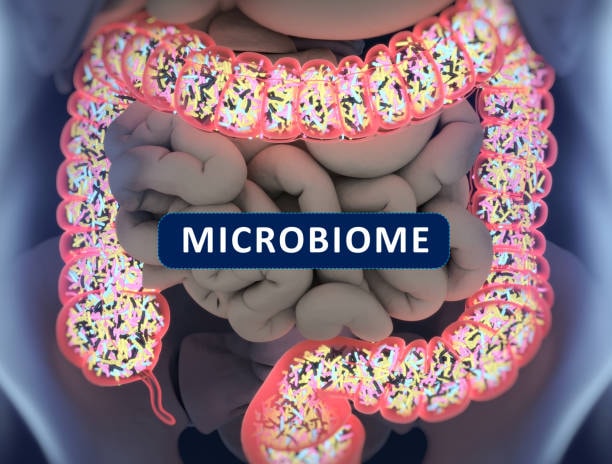


Gut Microbiome Test Accuracy: What’s True, What’s Hype & What You Should Know
Time to read 7 min
Time to read 7 min
Table of contents
The gut microbiome testing is rising and becoming more popular as people are getting more conscious about seeking tailored health insights. People use gut microbiome tests to get information about their digestive health and overall wellness. These tests are easily accessible at reasonable rates and provide faster results due to advances in DNA sequencing.
As it comes to any testing, the first thing that comes to our minds is accuracy and reliability. If you are also thinking about how accurate microbiome tests are, this blog is for you, so don’t miss out till the end.
Let's understand the gut microbiome test accuracy and all you should be aware of.
Gut microbiome testing assesses the gut flora diversity by assessing their DNA, which helps identify the imbalances. Gut microbiome test accuracy matters because it makes sure that the test results indicate the exact levels of your gut bacteria, and you can rely on that.
Accurate test results help understand gut flora imbalances, guide customized dietary and lifestyle modifications, and further treatments if required. Inaccurate results may lead to missed health problems, unnecessary interventions, and misleading recommendations.
The microbiome test measures the diversity of microorganisms using DNA sequencing. They detect the bacterial species, their amount, and function. This measurement is vital for comprehending the test accuracy, as the reliable results are based on accurate detection and the quantity of microbes.
Let's understand the difference between 16S rRNA and shotgun metagenomic sequencing:
Characteristics |
16S rRNA Sequencing |
Shotgun Metagenomic Sequencing |
Sequence |
16S ribosomal RNA |
All the DNA in the sample |
Resolution |
Typically recognises bacteria at the genus level and sometimes species also. |
Recognises species and strains of microbes |
Functional information |
Usually only detects the existing microbes |
Can conclude the functional potential of existing microbes |
Involvedness |
Simple analysis |
Complex as it requires bioinformatics |
Best use |
Quick examination of bacterial composition |
Comprehensive and high-resolution profiling, along with functional information |
Typically, the microbiome testing provides the information about:
Bacterial composition (microbial species and genera)
Quantity of each microbe
The balance of the microbial community
A normal microbiome test may not detect:
Viruses and fungi
Metabolites
Functional activity
Strain-level variations
The accuracy of a human gut microbiome test mainly depends on sample handling, the methods and technologies used, and the laboratory.
Generally, 16S rRNA sequencing is most accurate for detecting bacterial genera but may not recognise rare species. On the other hand, shotgun metagenomic sequencing is most accurate in recognising species and strain-based variations and can also infer potential functions.
Improper collection methods, shipping delays, poor handling, and improper storage can influence the bacterial composition as well as accuracy. Immediate freezing of samples improves accuracy and reliability.
Bioinformatics algorithms may differ from company to company, but they significantly improve microbiome test accuracy.
Now coming to, are gut microbiome tests legit? So the answer is, microbiome testing is scientifically valid.
If you are worried about it, microbiome testing is backed by scientific evidence. Microbiome tests are based on DNA sequencing, which is a reliable technique in microbiology. These sequencing methods are broadly used in clinical studies and research to detect gut microbes. They offer significant information about bacterial composition, diversity, and relative abundance.
The results may vary depending on the sample handling method, sequencing technique, and lab analysis. Standard gut microbiome tests do not detect viruses, fungi, and metabolites.
Consumer tests are mainly used to get insights into your wellness. These are easily accessible but less accurate. Clinical tests are regulated by medical authorities to detect and monitor health problems under medical guidance.
On the other hand, clinical tests are clinically actionable and considered more accurate. Usually involves 16S rRNA sequencing to provide standard composition and diversity. These are affordable and easily available online.
Microbiome test results are considered reliable for recognising key bacterial groups and overall diversity of gut microbiota; however, the results may vary.
The microbiome test results' reliability depends on various factors, including:
Sequencing method
Sample collection method and handling, and storage
Laboratory or diagnostic center
Bioinformatics quality
Biological variability
Moreover, the lifestyle factors such as diet, sleep, and stress levels also affect the results. Due to everyday fluctuations in the gut microbiome, a single test may not offer a permanent view of your gut health, but just a snapshot.
Let's understand the limitations of gut microbiome testing:
Limited ability for medical diagnosis of disease
Cannot detect all organisms
Database incompleteness
False positives and negatives
Snapshot of gut microbiome
Microbiome tests offer valuable insights into the composition, abundance, and different bacterial groups that inform about the imbalances. It helps track the fluctuations due to probiotics, diet, and lifestyle habits.
When your test results don’t align with your symptoms or how you are feeling, the scenario is called a symptoms mismatch. Gut microbiome profile tests are discerning for health trends, but sometimes may not explain your existing symptoms. Thus, it is advised to consider your healthcare provider’s evaluation along with the test results.
Gut health is multidimensional as it does not just depend on the types of existing bacteria but also on many other factors. These include microbial composition and function, host factors (genetics, metabolism, and gut barrier integrity), lifestyle, symptoms, and clinical evaluation.
Microbiome test data should be used for health trend monitoring and personalised guidance. The results can help you make informed and suitable lifestyle choices.
Definitely, the microbiome tests are worth it; however, the value depends on your expectations.
Microbiome tests are useful if you are curious to know about your gut bacteria diversity and wish to monitor the fluctuations over time. They offer guidance for probiotic supplementation, diet, and lifestyle modifications. These can help you check how interventions are affecting your gut.
Gut microbiome tests are not meant to replace professional and clinical evaluation for digestive concerns. They show a picture of your gut microbiota in the present moment that may fluctuate the very next day.
Across the Indian laboratories, there may be different levels of microbiome test accuracy depending on the techniques used. Various diagnostic centers offer reliable microbiome test results, but there may be some limitations.
The microbiome test accuracy in India significantly depends on the lab, methods used, and result interpretation. If you are seeking a reasonable microbiome test price in India, book your test with MyDiagnostics.
Do your research and look for some reputed and trustworthy providers.
Consider Shotgun vs 16S recommendations depending on your concern and result expectations.
Choose the labs with valid certifications from NABL, CAP, and CLIA.
Who offer evidence-based guidance.
Microbiome-based clinical testing is mostly accurate for identifying common bacterial groups and their diversity in the gut. Talking about the methods used, Shotgun metagenomic sequencing is fairly accurate.
However, the accuracy is highly dependent on the lab's reputation and accreditation, how well they handle the samples, and the depth of the sequencing. The human gut microbiome test results are also influenced by daily modifications in your diet, sleep, medications (antibiotic exposure), stress, and lifestyle. The microbiome-based diagnostics may not be used for definitive diagnostic purposes, but they are extremely helpful to get directional insights.
Microbiome-based diagnostics are mostly accurate for detecting bacteria and microbiome diversity in the gut when performed with advanced sequencing.
Gut microbiomes are considered scientifically legitimate as they involve DNA sequencing methods. However, these cannot be a substitute for your healthcare provider’s evaluation.
At-home microbiome tests and testing kits are relatively accurate for identifying bacterial diversity when the samples are stored and handled properly.
Because of different sequencing methods, bioinformatics pipelines, and sample handling.
These tests reflect the composition and diversity of bacteria living in your gut, but are not reliable for detecting digestive problems.
They are trustworthy for extensive trends in bacterial composition and diversity, offering significant directional insights.
Lab quality and certifications, Sequencing method, sample collection and handling, and bioinformatics analysis.
Shotgun metagenomic testing is considered more accurate than 16S, as it detects microbial species and strains along with functional potential.
Microbiome tests offer significant insights into the diversity and composition of the bacteria in your gut, which may help identify imbalances associated with various digestive symptoms. However, it’s important to understand that gut health is influenced by many factors, including diet, lifestyle, medications, and underlying health conditions.
Microbiome tests are scientifically authenticated because they use DNA sequencing methods to recognise bacteria in the gut and assess their diversity.
***Medical Disclaimer - The following information is for educational purposes only. No information provided on this website, including text, graphics, and images, is intended as a substitute for professional medical advice. Please consult with your doctor about specific medical advice about your condition(s).