Offer
Provide additional details about the offer you're running.
FLASHSALE


Time to read 10 min
Table of contents
Fertility testing is used to detect hormonal, structural, or medical factors that may prevent conception. Fertility may gradually start to decline with age. Early female fertility test allows efficient treatment and informed decisions related to family planning.
Female fertility test assesses the health of reproductive organs, hormonal balances, egg reserve, and ovulation. The major tests include blood and hormone tests, egg count test, ovarian reserve test, ovulation, and structural tests. The fertility test panel offers the most accurate picture of female fertility.
A fertility test for women is primarily recommended when the couples are trying to conceive for 6 months or more. Moreover, healthcare professionals recommend fertility testing to women over 35 years, those with irregular menstrual cycles, existing hormonal conditions, pelvic surgeries, and recurrent miscarriages.
What to know about how to check female fertility? In this blog, we will explore the female fertility tests, including blood tests, imaging tests, egg quality tests, infertility diagnosis tests, costs, and all you need to know.
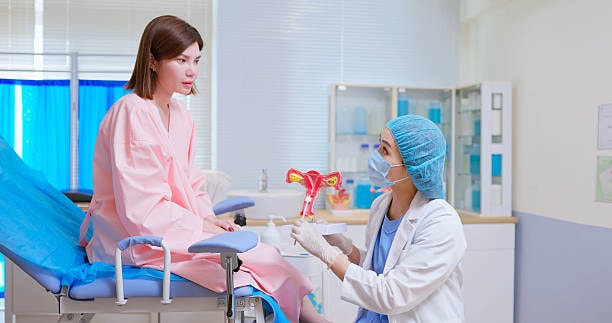
A female fertility test involves a medical evaluation of the reproductive system. Fertility tests check the fallopian tubes, uterus health, ovaries, egg reserve, ovulation, and hormonal levels. These tests analyze the major factors that affect a woman’s ability to conceive.
Here's what fertility testing majorly checks for:
Ovulation: to ensure regular production of eggs.
Hormonal levels: to detect imbalances that influence menstruation and fertility.
Egg levels: to check the quality and quantity of remaining eggs.
Uterine health: to detect any structural problems that may interfere with implantation and pregnancy.
Here’s the table showing the complete list of commonly recommended fertility tests for women:
Test |
Checks for |
Best time for Testing |
Who Needs the Test |
Average Cost |
Follicle-Stimulating Hormone (FSH) |
Ovarian function and egg reserve |
2nd-3rd day of a woman's menstrual cycle |
Infertility concern, irregular periods, above 35 years |
INR 500 – INR 1200 |
Luteinizing Hormone (LH) |
Ovulation and cycle regulation |
2nd-3rd day of the ovulation window |
Ovulation problems and PCOS risk or suspicion |
INR 500 – INR 1200 |
Anti-Mullerian Hormone (AMH) |
Ovarian reserve (egg quantity) |
Any day of the cycle |
IVF, pregnancy planning, age over 30 |
INR 1500 – INR 3500 |
Estradiol (E) |
Follicle health and estrogen levels |
2nd-3rd day of cycle |
Irregular menstruation and IVF planning |
INR 600 – INR 1500 |
Progesterone |
Confirms ovulation |
21st day of the cycle or 7 days after ovulation |
Infertility and luteal phase defects |
INR 600 – INR 1500 |
Thyroid (Thyroid Stimulating Hormone) |
Fertility problems due to thyroid function |
Any day |
Irregular menstrual cycle and weight fluctuations |
INR 400 – INR 1000 |
Prolactin |
Hormone influencing ovulation |
Any day during morning |
Nipple discharge and missed periods |
INR 500 – INR 1200 |
Pelvic ultrasound |
Ovaries, uterus, cysts, and fibroids |
Any day, preferably early cycle |
Irregular cycles and pelvic pain |
INR 1000 – INR 2500 |
Transvaginal Ultrasound (TVS) |
Ovulation tracking and follicle count |
2nd-5th day or mid-cycle |
Fertility screening and IVF |
INR 1200 – INR 3000 |
Antral Follicle Count (AFC) |
Egg reserve |
2nd – 5th day of cycle |
Fertility evaluation and IVF |
INR 1500 – INR 3000 |
Hysterosalpingography (HSG) |
Uterine shape and fallopian tube blockage |
7th-10th day of cycle |
Suspected tubal infertility |
INR 3000 – INR 8000 |
Sonohysterography (SIS) |
Abnormalities in the uterine cavity |
Before ovulation and after menstruation |
Implantation failure and recurrent miscarriages |
INR 3000 – INR 6000 |
Endometrial Biopsy |
Uterine lining accessibility |
Mid-luteal phase |
Recurrent implantation failure |
INR 4000 – INR 8000 |
Genetic Testing / Karyotype Tests |
Chromosomal problems |
Any time |
Recurrent miscarriages |
INR 5000 – INR 15000 |
Here are the commonly recommended female fertility blood tests in an infertility profile:
FSH checks for ovarian activity and egg reserve. Higher levels suggest decreased ovarian reserve, while lower levels suggest hormonal balance issues.
LH is involved in fertility hormone tests as it is mainly responsible for ovulation. High LH-FSH ratio and irregular LH levels suggest ovulation-related issues as seen in PCOS.
Estradiol shows follicle development and estrogen production in the body. It helps evaluate ovarian activity and understand FSH levels. Abnormal levels may influence ovulation and endometrial function.
AMH evaluates ovarian reserve by showing the remaining egg count. It doesn’t depend on the cycle and is commonly used for IVF and fertility planning.
Progesterone checks if ovulation has happened and assesses the luteal phase. Low progesterone levels may indicate implantation problems and early pregnancy loss.
Thyroid panel hormones control ovulation and menstrual cycles. Minor thyroid imbalances can affect fertility, pregnancy, and increase the risk of miscarriages.
Prolactin plays an important role in the regulation of ovulation and the menstrual cycle. Increased prolactin levels are associated with irregular periods and suppressed ovulation.
The androgen test checks for hormonal imbalances including adrenal disorders and PCOS. Androgens may affect ovulation and cause irregular cycles, acne, and excessive hair growth.
Here’s the list of common tests that are used to evaluate egg count and egg quality:
Here are the uterus and fallopian tube tests used for structural fertility investigations:
HSG test is usually ordered for the initial infertility diagnosis to analyze the egg and sperm meet up and implantation.
It is an imaging test that is used to check the follicles, ovaries, and the uterus lining. A pelvic ultrasound is performed for infertility evaluation to check reproductive health and structural abnormalities.
SHG during infertility diagnosis involves an ultrasound that directly assesses the uterine cavity. A sterile saline is inserted into the uterus for clear visuals of:
The procedure is performed to assess the uterus, which helps detect structural causes of infertility. Hysteroscopy checks for:
When it comes to the diagnosis of infertility in females, here are the common tests used for infertility diagnosis:
PCOS is a major cause of infertility in females. The diagnosis involves imaging and hormonal testing.
LH: FSH ratio: Elevated levels indicate ovulation disruptions.
Androgens: Check testosterone levels and associated hormones to diagnose hyperandrogenism.
Ultrasound: Detects polycystic ovarian morphology.
Endometriosis is another major cause of pelvic pain and infertility in females. Diagnosis testing involves a series of tests.
Ultrasound: First step to detect pelvic defects and ovarian endometriomas.
MRI: Offers comprehensive mapping of extensive endometriosis.
Diagnostic laparoscopy: A gold standard test procedure that allows direct visualization and an accurate treatment plan.
Ovulation-related fertility problems are usually caused by hormonal imbalances that affect egg development.
Thyroid dysfunction may affect ovulation, menstruation, and implantation that are responsible for female fertility.
The infertility profile test for females includes:
Ovarian reserve: AMH, FSH, LH, Estradiol
Ovulation confirmation: Progesterone (mid-luteal)
Hormonal balance: Prolactin, TSH (± Free T3/T4)
Androgens (if indicated): Total/free testosterone, DHEAS
Imaging (often paired): Pelvic ultrasound (baseline/antral follicle count)
The infertility diagnosis test panel cost may vary depending on the city, laboratory, or diagnostic center accreditation, and other inclusions.
Basic fertility panel: ₹3,000–₹5,000
Comprehensive panel (with AMH): ₹5,000–₹8,000
With ultrasound/AFC: ₹7,000–₹12,000
Here are the various methods to check female fertility issues at home:
Offers insights into the estimated ovarian reserve. A finger-prick blood sample is required as the AMH test is not dependent on the cycle. It helps understand the egg quantity.
These strips are used to detect LH surge in the urine that usually happens hours before ovulation. It may not be very reliable for females with irregular cycles and PCOS.
Home kits are used to measure hormones, including LH, FSH, TSH, progesterone, estradiol, and prolactin. These kits use saliva or blood samples. At-home fertility tests are convenient but may have some limitations.
Home testing may be insufficient in case of irregular or missed periods, recurrent pregnancy loss. Home tests are not enough if infertility lasts for more than 12 months, and in cases of endometriosis, uterine abnormalities, and tubal blockage.
Fertility tests for women may vary by lab quality, location, and other factors.
Pelvic ultrasound cost ranges between INR 1500 and INR 5000.
Hysterosalpinogram cost ranges from INR 2000 to INR 10000.
A full infertility workup test costs between INR 7000 and INR 20000.
When pricing is a concern, MyDiagnostics offers female fertility testing and total health testing starting at affordable prices, along with reliable results and utmost convenience.
Fertility testing is recommended based on age, cycle regularity, symptoms, and reproductive plans:
Hormone tests (FSH, LH, AMH, TSH, Prolactin), pelvic ultrasound, ovulation assessment, and HSG in case of suspected tubal blockage and history of uterine issues.
FSH & LH, AMH, estradiol, progesterone, TSH, prolactin, androgens.
AMH test and antral follicle count (ultrasound).
Doctors diagnose infertility in females using blood tests, imaging, ovulation assessment, medical history, and physical examination.
The key uterine tests that are used to evaluate infertility are hysteroscopy, sonohysterogram, and hysterosalpingogram.
Ovarian reserve (AMH blood test+AFC ultrasound), uterine structure (hysteroscopy), ovulation (mid-luteal progesterone test), and fallopian tubes (laparoscopy).
Basic fertility testing can be done at home using at-home AMH tests, ovulation kits, or LH strips and home hormone panels.
Female fertility test cost in India ranges between INR 1500 and INR 8000, depending on the type of test and lab quality. A complete infertility workup may range between INR 7000 and INR 20000.
AMH tells about the egg quantity.
If you have irregular periods, PCOS, are 35 years and above, and have been trying to conceive for over 12 months.
Female fertility evaluation targets ovulation, hormonal balance, ovarian reserve, and reproductive structure. Key tests used for fertility evaluation include hormone blood tests, ovarian reserve testing, ovulation assessment, imaging, and uterus and fallopian tube evaluation. Healthcare providers may recommend fertility blood tests and more to get a detailed picture. At-home testing kits can be considered if you seek convenience. These tests offer a quick overview of ovulation and ovarian reserve.
***Medical Disclaimer - The following information is for educational purposes only. No information provided on this website, including text, graphics, and images, is intended as a substitute for professional medical advice. Please consult with your doctor about specific medical advice about your condition(s).