Offer
Provide additional details about the offer you're running.
FLASHSALE


Time to read 14 min
Table of contents
The ideal omega-6 to omega-3 ratio for reducing inflammation is 4:1 or lower. Modern diets often exceed 15:1, increasing the risk of chronic inflammation, joint pain, and cardiovascular disease. A 31-parameter RBC fatty acid test helps measure AA:EPA ratio and Omega-3 Index to guide targeted dietary correction.
The Omega-6 to Omega-3 ratio is a critical biomarker of systemic inflammation. While an ancestral diet maintained a 1:1 balance, modern diets often reach a pro-inflammatory ratio of 20:1 due to high seed oil consumption. An ideal ratio for reducing chronic inflammation and joint pain is 4:1 or lower. Monitoring this through a 31-parameter fatty acid test allows for precise dietary adjustments to lower Arachidonic Acid (AA) and support long-term cardiovascular and joint health.
The omega-6 to omega-3 ratio refers to the balance between two essential polyunsaturated fatty acids in your diet. Both are necessary for health, but they have opposing physiological effects. Omega-6 fatty acids (like linoleic acid, common in refined seed oils) tend to promote pro-inflammatory pathways when consumed in excess. Omega-3 fatty acids (EPA and DHA found in fatty fish) promote anti-inflammatory and cardioprotective pathways.
American Heart Association guidance encourages:
Higher omega-3 intakes (especially from fish) for heart benefits.
Consumption of omega-6 fats is part of a healthy fat pattern because they reduce LDL cholesterol and have favorable cardiovascular effects.
World Health Organization nutrition guidance does not promote any fixed omega-6:omega-3 ratio; instead, it supports adequate overall intake of essential fats without specifying a target ratio. The National Institute of Health does not recommend a specific ratio as a public-health target, and clinicians generally focus on individual fatty acid levels rather than a composite ratio.
It’s not about eliminating omega-6, it’s about restoring biochemical balance. Optimizing the omega-6 to omega-3 ratio helps modulate inflammatory pathways and may reduce the risk of chronic disease progression.
OmegaQuant treats the omega-6:omega-3 ratio as a useful descriptive biomarker, not as a universally validated clinical target. Their suggested ratio (3–5:1) aligns with some observational trends, but it is not an established guideline endorsed by independent authorities.
This imbalance can now be measured accurately using the MyDiagnostics 31-parameter fatty acid test with at-home collection across India.
The balance between omega-6 and omega-3 fatty acids functions like a biochemical “tug-of-war” that regulates inflammatory tone in the body. Both are essential, but they compete for the same enzymatic machinery (desaturases and elongases), influencing which signaling molecules dominate.
Simopoulos AP (Omega Ratio Research): Proposed that evolutionary diets had low n-6:n-3 ratios (~1:1), and modern diets high in n-6 fatty acids increase inflammatory risk; emphasized the importance of balance rather than absolute intake.
Harris WS (Omega-3 Index Research): Developed the Omega-3 Index (EPA + DHA in erythrocyte membranes) as a biomarker of omega-3 status and cardiovascular risk, underscoring that tissue levels influence health outcomes beyond just dietary ratios.
GISSI Trial (Cardiovascular Omega-3 Outcomes): A landmark randomized trial in post-MI patients showing that omega-3 supplementation reduced sudden cardiac death and overall mortality, supporting the beneficial effects of higher omega-3 status relative to omega-6–dominant diets.
REDUCE-IT Trial (High-Dose EPA Therapy): Demonstrated that high-dose EPA (icosapent ethyl) significantly reduced major cardiovascular events in high-risk patients with elevated triglycerides, reinforcing the therapeutic value of shifting the n-6:n-3 balance toward omega-3 dominance.
Omega-6 and omega-3 fatty acids are converted into eicosanoids, potent lipid mediators that regulate inflammation, vascular tone, platelet aggregation, and immune response.
Omega-6-derived mediators, especially from arachidonic acid, tend to produce:
Prostaglandins (e.g., PGE₂)
Leukotrienes (e.g., LTB₄)
These are generally pro-inflammatory, pro-thrombotic, and vasoconstrictive.
Omega-3–derived mediators (EPA and DHA) generate:
Resolvins
Protectins
Less inflammatory prostaglandins and leukotrienes
These compounds are anti-inflammatory or inflammation-resolving, promoting endothelial health and cardioprotection.
Arachidonic acid (AA) is a long-chain omega-6 fatty acid stored in cell membranes. When activated by stress, injury, or infection, AA is released and metabolized via:
Cyclooxygenase (COX) pathway
Lipoxygenase (LOX) pathway
This produces potent inflammatory mediators. While AA-driven inflammation is essential for immune defense and tissue repair, excessive AA availability is driven by high omega-6 intake. This can amplify chronic low-grade inflammation, contributing to cardiovascular and metabolic disorders.
Omega-3 fatty acids compete with AA for these same enzymes, thereby dampening inflammatory output.
Anthropological data suggest that early human diets had an approximate 1:1 omega-6 to omega-3 ratio. Modern diets, however, often reach 15:1 or higher, primarily due to:
Refined seed oils
Processed foods
Reduced seafood consumption
This shift creates an evolutionary mismatch, favoring persistent inflammatory signaling. The result is a systemic environment more prone to:
Atherosclerosis
Insulin resistance
Rebalancing the fatty acid ratio is less about eliminating omega-6 and more about restoring competitive equilibrium at the cellular signaling level.
There is no perfect ratio, but the evidence shows that lower ratios correlate with lower inflammatory burden and reduced chronic disease risk. The therapeutic target depends on the clinical context.
A dietary ratio of ≤4:1 (omega-6:omega-3) is widely considered a cardiometabolic safety threshold.
At this level:
Eicosanoid production shifts toward less inflammatory mediators
Endothelial function improves
Platelet aggregation risk decreases
CRP and other inflammatory markers tend to decline
Populations with this ratio demonstrate lower rates of coronary artery disease compared to Western diets, averaging 15–20:1.
In autoimmune conditions like Rheumatoid arthritis, more aggressive rebalancing may be beneficial.
Studies suggest 2:1 to 3:1 ratios:
Reduce joint tenderness and morning stiffness
Decrease leukotriene-mediated inflammation
Reduce reliance on NSAIDs in some patients
Mechanistically, higher EPA/DHA intake suppresses arachidonic acid-derived inflammatory signaling and increases pro-resolving mediators. These ratios are typically achieved via structured dietary modification plus targeted omega-3 supplementation under clinical supervision.
Ratios of ≥10:1 are associated with:
Persistent low-grade systemic inflammation
Elevated pro-thrombotic eicosanoid production
Increased cardiometabolic risk
Too much omega-6 gets stored in your cells and increases inflammatory chemicals, prostaglandins and leukotrienes. Over time, this biochemical bias contributes to:
Atherosclerosis
Insulin resistance
Autoimmune susceptibility
Chronic low-grade inflammation rarely announces itself dramatically. Instead, it manifests as subtle, persistent symptoms associated with fatty acid imbalance, particularly a high omega-6-to-omega-3 ratio and an elevated AA:EPA index.
The AA:EPA ratio reflects the balance between pro-inflammatory Arachidonic acid (AA) and anti-inflammatory Eicosapentaenoic acid (EPA) in cell membranes.
When AA predominates:
Production of PGE₂ and LTB₄ increases
Synovial inflammation is heightened
Increases pain sensitivity
Delays the resolution of inflammatory cascades
Clinically, a high AA:EPA ratio correlates with chronic joint stiffness, exercise recovery issues, and exacerbation of inflammatory arthropathies. Lowering this ratio shifts eicosanoid signaling toward resolution rather than amplification.
Omega imbalance can also present through dermatologic and metabolic signals:
Skin manifestations: Such as acne, eczema, psoriasis flares, increased redness, and barrier dysfunction. Excess omega-6–derived mediators amplify cytokine activity in dermal tissue.
Fatigue: Chronic inflammatory signaling increases oxidative stress and mitochondrial inefficiency, contributing to persistent low energy despite adequate sleep.
Elevated triglycerides: Low omega-3 intake is strongly associated with hypertriglyceridemia. EPA and DHA reduce hepatic VLDL production, whereas omega-6 excess does not exert the same triglyceride-lowering effect.
High membrane AA content increases synthesis of thromboxane A₂ (TXA₂) and pro-aggregatory prostaglandins
These compounds:
Enhance platelet aggregation
Promote vasoconstriction
Increase clot formation potential
In contrast, omega-3–derived mediators (particularly from EPA) generate less potent thromboxanes and reduce platelet reactivity. Over time, a high omega-6 to omega-3 ratio contributes to endothelial dysfunction, plaque instability, and increased cardiovascular event risk.
Vegetable (seed) oils are not inherently toxic, but their context of use, quantity, and fatty acid composition determine their inflammatory impact. The core issue is their high content of linoleic acid (LA), an omega-6 fatty acid that can shift the omega-6:omega-3 ratio toward a pro-inflammatory state when consumed excessively.
High-LA oils (sunflower, soybean, corn oil) are rich in Linoleic acid. When intake is excessive:
More LA is incorporated into cell membranes
Conversion to Arachidonic acid increases
Eicosanoid production shifts toward pro-inflammatory mediators
Additionally, LA is highly prone to oxidation, especially when heated repeatedly, used for deep frying, and stored improperly. Oxidized lipid byproducts increase oxidative stress, which compounds inflammatory signaling and endothelial dysfunction.
In modern Indian diets, omega-6 excess often comes from:
Packaged snacks and namkeens
Bakery items
Restaurant and street foods
Repeatedly reheated frying oils
Even home cooking frequently relies on refined sunflower or soybean oil, significantly increasing daily LA intake. Without sufficient omega-3 intake (fatty fish, flaxseed, walnuts), the ratio can easily exceed 15:1, favoring chronic low-grade inflammation.
More balanced options include:
High in monounsaturated fats (oleic acid)
Lower omega-6 content
Rich in polyphenols (anti-inflammatory effects)
Contains some natural omega-3 (ALA)
More favorable fatty acid profile than refined seed oils
Traditionally aligned with Indian dietary patterns
Primarily saturated fat
Heat stable
Neutral impact on omega-6 load when used moderately
Both metrics assess fatty acid biology, but they answer different clinical questions. The ratio evaluates inflammatory balance, while the index measures absolute cardioprotective omega-3 status.
The omega-6:omega-3 ratio reflects dietary and membrane competition between:
Pro-inflammatory omega-6 derivatives (especially arachidonic acid)
Anti-inflammatory omega-3 derivatives (EPA/DHA)
A high ratio (≥10:1) suggests:
Greater AA incorporation into membranes
Increased pro-inflammatory eicosanoid signaling
Higher thrombotic and metabolic risk
However, ratios can be misleading. For instance:
A 4:1 ratio could still be suboptimal if total omega-3 levels are low.
Improving the ratio by simply reducing omega-6 does not guarantee adequate cardioprotection.
The Omega-3 Index measures the percentage of EPA and DHA in red blood cell membranes. It reflects long-term tissue incorporation (approximately 3–4 months) and correlates with:
Sudden cardiac death risk
Arrhythmia vulnerability
Coronary plaque stability
Clinical interpretation:
<4% → High cardiovascular risk
4–8% → Intermediate
>8% → Optimal cardioprotective zone
Unlike the ratio, the index measures absolute omega-3 sufficiency, independent of omega-6 intake.
A comprehensive fatty acid panel typically includes:
AA:EPA ratio
Total omega-6 and omega-3 percentages
Omega-6:3 ratio
Omega-3 Index
Saturated and monounsaturated fat composition
Trans fat levels
This broader lipidomic profile allows clinicians to distinguish between inflammatory imbalance, true omega-3 deficiency, oxidative stress patterns, and cardiometabolic membrane risk.
Correcting an elevated omega-6:omega-3 ratio requires a dual strategy: reducing excess omega-6 and increasing omega-3 intake. Fatty acids are incorporated into cell membranes, so change is measurable but not instantaneous.
The primary driver of imbalance is excessive intake of Linoleic acid (LA), abundant in refined seed oils.
Replace sunflower, soybean, and corn oil with lower-LA alternatives.
Avoid deep-fried and repeatedly reheated oils.
Reduce packaged snacks, namkeens, bakery items, and restaurant foods.
Read labels for “vegetable oil” blends (often omega-6 dominant).
Reducing LA intake reduces substrate availability for conversion into Arachidonic acid, thereby decreasing pro-inflammatory eicosanoid production over time.
Plant omega-3 (ALA) has limited conversion efficiency to active forms. Direct intake of marine-derived Eicosapentaenoic acid (EPA) and Docosahexaenoic acid (DHA) is significantly more effective for correcting the imbalance.
Best sources are:
Fatty fish (salmon, sardines, mackerel) 2–3 times per week
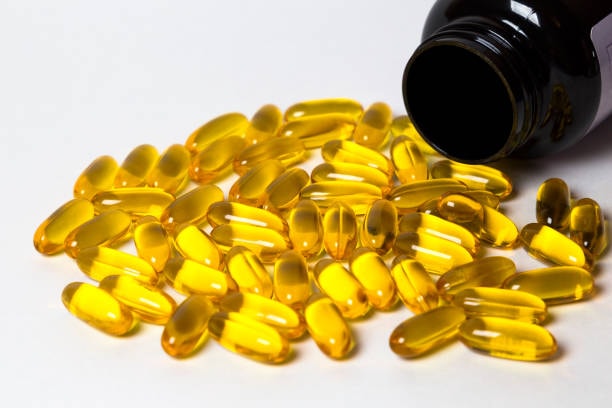
High-quality fish oil or algae-based supplements (if intake is inadequate)
EPA competes directly with arachidonic acid for COX/LOX enzymes, rapidly shifting inflammatory signaling. DHA improves membrane fluidity and cardiomyocyte stability. Increasing EPA/DHA is typically the fastest way to improve both the omega ratio and the Omega-3 Index.
Red blood cells have a lifespan of approximately 120 days. Since fatty acid testing reflects membrane incorporation:
Meaningful changes are typically noticeable within 8–12 weeks
Full stabilization occurs around 3–4 months
Clinical expectations suggest:
Triglycerides may drop within weeks
Inflammatory markers improve progressively
Omega-3 Index can rise 2–4 percentage points over 3–4 months with consistent intake
Modern fatty acid testing allows you to assess inflammatory balance using a simple at-home finger-prick blood sample. Most advanced lipidomic reports include total omega-6, total omega-3, arachidonic acid (AA), and EPA values, allowing you to calculate key ratios yourself.
On your report, look for Total Omega-6 (%) and Total Omega-3 (%)
Now divide omega-6 by omega-3. For instance, if Omega-6 is 36% and Omega-3 is 4% (36 ÷ 4 = 9), then your ratio is 9:1.
A ratio of 4:1 or lower is considered balanced, and 8–10:1 or higher (severe inflammation risk).
This number shows whether your diet has too many inflammatory fats compared to protective ones.
Your report may also list Arachidonic acid (AA) and Eicosapentaenoic acid (EPA), and divide AA by EPA.
For instance, AA = 12% and EPA = 1% (12 ÷ 1 = 12).
A low number (below 3–5) means good inflammation control, while a high number (above 10–15) means higher joint inflammation risk.
AA increases inflammation. EPA helps calm it down. The higher the AA compared to EPA, the more likely you are to experience joint stiffness, aches, or slower recovery.
MyDiagnostics uses red blood cell (RBC) membrane analysis because it provides a more reliable and clinically meaningful picture of long-term fatty acid status compared to standard plasma testing.
At MyDiagnostics, we treat the Omega 6:3 ratio as a vital sign of metabolic health. Our 31-parameter fatty acid profile utilizes Gas Chromatography to ensure that the results you receive reflect your true internal environment, unaffected by your last meal. This provides a standardized baseline for clinical intervention.
Here's why RBC membrane analysis matters:
It reflects long-term intake, not just your last meal. In contrast, plasma fatty acids fluctuate daily.
RBC membrane analysis measures what’s happening at the cellular level. This gives insight into how your body is actually producing inflammatory or anti-inflammatory signals.
The Omega-3 Index is specifically measured from RBC membranes and is one of the most validated markers for stronger cardiovascular protective value.
As RBC membranes change slowly, results are stable, trends are easier to track, and re-testing shows true progress.
31-parameter RBC fatty acid profile
At-home finger-prick collection
NABL-certified processing (if applicable)
Actionable dietary report
A ratio closer to 4:1 or lower is ideal. While not a weight-loss pill, balancing these fats reduces cellular inflammation, which can improve insulin sensitivity and help the body manage fat storage more efficiently.
Yes. The goal is displacement. You can significantly improve your ratio by swapping high-omega-6 seed oils (like sunflower or soybean) for olive oil or mustard oil while increasing your intake of fatty fish or algae-based EPA/DHA.
Since fatty acids are stored in red blood cell membranes, it takes approximately 3 to 4 months of consistent dietary change to fully "reset" your ratio and see a significant shift in your blood report.
When consumed in excess without enough Omega-3 to balance them, the linoleic acid in seed oils converts into arachidonic acid, which fuels the production of pro-inflammatory cytokines that can damage joints and arteries.
Yes, a 10:1 ratio is often a "red flag" for chronic low-grade inflammation. Research indicates that lowering the ratio to 4:1 is associated with a 70% decrease in total mortality in secondary prevention of heart disease.
Common signs include persistent joint stiffness, unexplained fatigue, inflammatory skin conditions like acne or eczema, and "silent" markers like high triglycerides on a standard blood test.
You divide the Total Omega-6 value by the Total Omega-3 value. However, the more specific AA:EPA ratio (Arachidonic Acid divided by Eicosapentaenoic Acid) is often considered the most clinically relevant marker for inflammation.
While a 1:1 ratio is the evolutionary ideal and helps suppress inflammatory pathways, it is one part of a complex puzzle. It significantly reduces the inflammatory "load" on the body, which can help manage autoimmune symptoms.
The Omega-6:3 ratio measures the balance between inflammatory and anti-inflammatory fats. The Omega-3 Index specifically measures the total percentage of heart-protective EPA and DHA in your cells. You need both for a full health audit.
Olive oil, Macadamia oil, and Avocado oil have low Omega-6 profiles. In the Indian context, Mustard oil has a 1:1.2 ratio that is better compared to refined vegetable oils, which can reach 70:1.
***Medical Disclaimer - The following information is for educational purposes only. No information provided on this website, including text, graphics, and images, is intended as a substitute for professional medical advice. Please consult your doctor for specific medical advice regarding your conditions.