Offer
Provide additional details about the offer you're running.
FLASHSALE


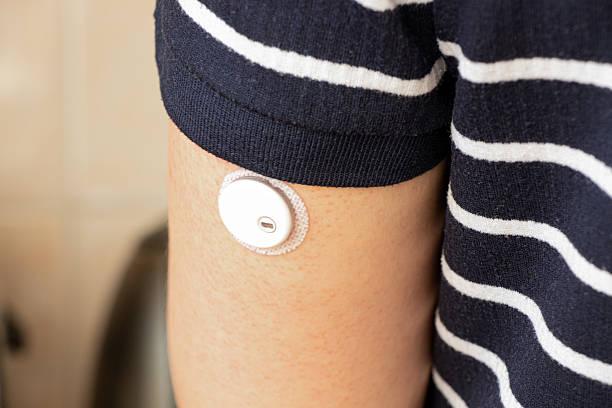
The FreeStyle Libre 14-day sensor by Abbott is a continuous glucose monitoring (CGM) sensor worn on the back of the upper arm. It measures glucose in the interstitial fluid beneath the skin throughout its 14-day wear period. On MyDiagnostics, the CGM price in India is ₹4,999, including sensor application by a qualified practitioner, sensor removal and a CGM report after the monitoring period.
Product: 14-day continuous glucose monitoring (CGM) sensor patch
Price on MyDiagnostics: ₹4,999
Wear time: Up to 14 days per sensor
Worn on: Back of the upper arm
Measures: Glucose in interstitial fluid
How you view readings: FreeStyle LibreLink app or a compatible reader
Finger pricks: Not needed routinely; the sensor is applied using a one-time applicator
Fasting needed: No
Application: Home visit or clinic application by a qualified practitioner
Suitable for: Diabetes patients and, where clinically appropriate, people monitoring glucose patterns for metabolic or nutrition-related goals
The CGM price in India is ₹4,999 for the FreeStyle Libre 14-day sensor service listed by MyDiagnostics. Over 14 days, this works out to approximately ₹357 per day. The service includes the CGM sensor, application by a qualified practitioner, sensor removal and the final CGM report.
CGM pricing can vary depending on the sensor model and whether application, removal or report interpretation is included. MyDiagnostics currently lists this 14-day CGM service at ₹4,999.
Book your 14-day CGM sensor for ₹4,999:
Order the FreeStyle Libre 14-day CGM online
A 14-day glucose sensor patch is a small, coin-sized wearable glucose monitor placed on the back of the upper arm that continuously measures glucose for up to 14 days. Unlike a conventional blood glucose meter, the glucose monitor patchmeasures glucose in the interstitial fluid beneath the skin, rather than directly measuring glucose in a blood sample.
The FreeStyle Libre 14-day sensor can be scanned using the compatible FreeStyle LibreLink app or a compatible reader to view glucose readings and trends. The wearable provides a continuous picture of glucose patterns without routine finger-prick testing.
A CGM tracks glucose continuously through a wearable sensor, while a conventional glucose meter provides individual readings from a blood sample.
A glucose monitor patch is a wearable sensor placed on the back of the upper arm that measures glucose in the interstitial fluid beneath the skin. The FreeStyle Libre 14-day sensor by Abbott can be worn for up to 14 days and allows glucose readings and trends to be viewed using a compatible smartphone app or reader.
Unlike a conventional glucometer, which measures glucose from a blood sample, the CGM sensor measures glucose in interstitial fluid. This provides information about glucose patterns throughout the day rather than only individual finger-prick readings.
|
Specification |
FreeStyle Libre 14-Day Sensor |
|---|---|
|
Wear time |
Up to 14 days |
|
Glucose measurement |
Interstitial fluid |
|
Reading interval |
Glucose concentration measured every minute; stored at 15-minute intervals |
|
Data storage |
8-hour rolling sensor memory |
|
Warm-up time |
60 minutes |
|
Water resistance |
IP27; can be immersed in up to 1 metre of water for a maximum of 30 minutes |
|
Sensor size |
35 mm diameter × 5 mm height |
|
Reading device |
FreeStyle LibreLink app or compatible reader |
|
Calibration |
Factory-calibrated; routine finger-stick calibration is not required |
|
Alarms |
No glucose alarms; readings must be obtained by scanning |
The FreeStyle Libre 14-day sensor measures glucose in interstitial fluid and stores glucose data for up to 8 hours. When readings are obtained using a compatible reader, the sensor communicates using NFC technology.
The sensor has a 60-minute warm-up period after application. Because interstitial glucose can lag behind blood glucose when glucose levels are changing rapidly, CGM readings may differ from finger-stick blood glucose measurements.
A CGM can provide glucose readings without routine blood samples, but it is not completely non-invasive. During application, a small flexible filament is inserted just under the skin of the upper arm. The filament measures glucose in the surrounding interstitial fluid while the sensor remains in place.
Routine finger-prick testing is generally not required for obtaining readings from the FreeStyle Libre 14-day system, although a blood glucose test may still be appropriate when readings do not match symptoms or when the manufacturer's instructions recommend confirmation.
A CGM is minimally invasive, not non-invasive. The sensing filament sits beneath the skin and measures glucose in interstitial fluid.
The FDA warned on February 21, 2024, against using smartwatches or smart rings that claim to be needleless glucose monitor that measure blood glucose without piercing the skin. These products are different from authorized CGM systems that use a sensor inserted through the skin.
Read the FDA Safety Communication, February 21, 2024
Although routine finger-prick testing may not be necessary with a compatible CGM system, a blood glucose meter may still be recommended in certain situations:
Your symptoms do not match the CGM reading. If you feel symptoms of low or high blood glucose but the sensor reading does not appear consistent with how you feel, confirm the glucose level with a finger-prick blood glucose test.
Glucose is changing rapidly. Interstitial-fluid glucose can differ from blood glucose during rapid changes, such as after eating, exercising, or taking insulin. A finger-prick measurement may therefore be appropriate when confirmation is needed.
The CGM system specifically advises confirmation. Follow the device's instructions and your healthcare professional's advice when a confirmatory blood glucose test is indicated.
The FreeStyle Libre 14-day sensor measures glucose in interstitial fluid throughout its wear period and stores readings that can be viewed using a compatible reader or smartphone app.
How it works:
Apply: A qualified practitioner places the sensor on the back of the upper arm using the applicator.
Measure: The sensor measures glucose in interstitial fluid.
Store and scan: The sensor stores glucose data, which can be accessed by scanning with a compatible reader or smartphone.
Track trends: The collected data can show glucose patterns, including changes around meals, activity and sleep.
Interstitial glucose can lag behind blood glucose when glucose levels change rapidly. The FreeStyle Libre 14-day system is factory-calibrated, so routine finger-stick calibration is not required.
The 14-day CGM report can summarize glucose patterns and may include:
Time in range (TIR): Percentage of time glucose remains within the target range.
Glycaemic variability: How much glucose levels fluctuate.
GMI: An estimate of average glucose based on CGM data.
Hypoglycaemia and hyperglycaemia: Periods of unusually low or high glucose.
Overnight patterns: Changes in glucose during sleep.
Meal-related patterns: Glucose changes associated with meals and daily activities.
Abbott's FreeStyle Libre 14-day system reports an overall MARD of 9.4% against a YSI reference in its performance data. MARD is a measure used to describe the difference between sensor readings and a reference glucose measurement; it should not be interpreted as a guarantee that every individual reading will be accurate.
For many adults with type 1 or type 2 diabetes, the 2019 International Consensus recommends spending more than 70% of time between 70 and 180 mg/dL (3.9–10.0 mmol/L). Individual glucose targets may differ based on age, pregnancy, treatment and other clinical factors.
CGM results should be interpreted alongside symptoms, medical history and other relevant clinical tests.
A glucometer measures blood sugar and provides individual blood glucose readings, while CGM devices track glucose trends through a wearable sensor. The better choice depends on whether you need occasional checks or continuous monitoring.
|
Feature |
Glucometer |
14-Day CGM |
|---|---|---|
|
Sample type |
Finger-prick blood |
Interstitial fluid |
|
Pricks per day |
Usually required for each test |
No routine finger pricks |
|
Readings per day |
Depends on how often you test |
Continuous sensor data; readings can be checked throughout the day |
|
Overnight data |
Only if you test during the night |
Yes, sensor stores overnight data |
|
Cost |
Lower upfront cost; strips needed regularly |
Higher upfront cost; sensor lasts up to 14 days |
|
Best for |
Spot-checking glucose |
Understanding glucose trends, patterns and time in range |
The FreeStyle Libre 14-day sensor has no glucose alarms. The sensor stores up to 8 hours of glucose data, so it should be scanned at least once every 8 hours to capture a complete record of the monitoring period. Leaving the sensor unscanned for longer can result in gaps in stored data.
The device stores glucose data for up to 8 hours, so scan at least once every 8 hours to capture a complete 24-hour picture. The sensor has no automatic glucose alarms or alerts without a scan.
Consider these factors before choosing among CGM devices:
Wear days: Check whether the sensor lasts 14, 15 or more days.
App vs reader: Check whether readings are accessed through a smartphone app, dedicated reader, or both.
Price per day: Compare the total sensor cost with its wear period.
Doctor support: If you need help interpreting glucose trends, consider a service that includes healthcare-professional review.
A wearable glucose monitor can help people understand glucose patterns and support better-informed nutrition, activity and diabetes-management decisions. Its suitability depends on individual health needs and should be discussed with a healthcare professional when used for medical management.
Helps track glucose patterns throughout the day and overnight.
Can help identify periods of high or low glucose and support diabetes-management decisions.
May reduce the need for frequent finger-prick testing, depending on the CGM system.
Can provide insight into how glucose responds to meals, exercise and daily routines.
May help identify patterns that support healthier lifestyle and glucose-control decisions.
Use should be guided by a healthcare professional, particularly when monitoring is being used for medical purposes.
Helps users observe how different meals and eating patterns affect glucose levels.
Can provide additional data alongside nutrition, activity and weight-management goals.
CGM data should not be used as the sole measure of whether a food or diet is “healthy.”
Helps users understand glucose responses around exercise and meals.
May provide useful information about glucose patterns during training and recovery.
Athletes should interpret CGM readings alongside performance, nutrition and other relevant factors.
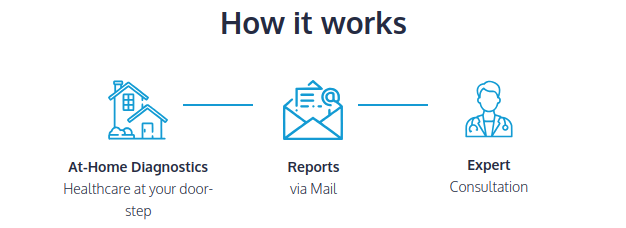
1. Order online: Book the 14-day CGM sensor for ₹4,999.
2. Choose your application option: Select an available home-visit or clinic appointment.
3. Practitioner application: A qualified practitioner applies the sensor to the back of the upper arm.
4. Wear the sensor: Wear the FreeStyle Libre 14-day sensor for up to 14 days and follow the manufacturer's care instructions.
5. Sensor removal: Have the sensor removed after the monitoring period.
6. Receive your report: MyDiagnostics provides the CGM report within 24 hours of sensor removal.
MyDiagnostics currently lists CGM service pages in multiple Indian cities:
The FreeStyle Libre 14-day sensor is factory-calibrated, so routine finger-stick calibration is not required. Sensor readings can still be affected by sensor placement, changing glucose levels and certain substances.
Follow the manufacturer's instructions for sensor application and use.
Vitamin C: Taking more than 500 mg of vitamin C (ascorbic acid) per day may affect sensor readings and can cause readings to be falsely high.
Salicylates: Salicylic acid, including salicylates found in some medicines and products, may slightly lower sensor glucose readings.
If a sensor reading does not match your symptoms, follow the manufacturer's instructions for confirming glucose with a blood glucose test.
Remove the sensor before an X-ray. Follow the manufacturer's current instructions for MRI and CT procedures because device compatibility can vary by sensor model and labeling.
Use the CGM according to the manufacturer's instructions and appropriate medical guidance.
FreeStyle Libre safety information and manufacturer instructions


